
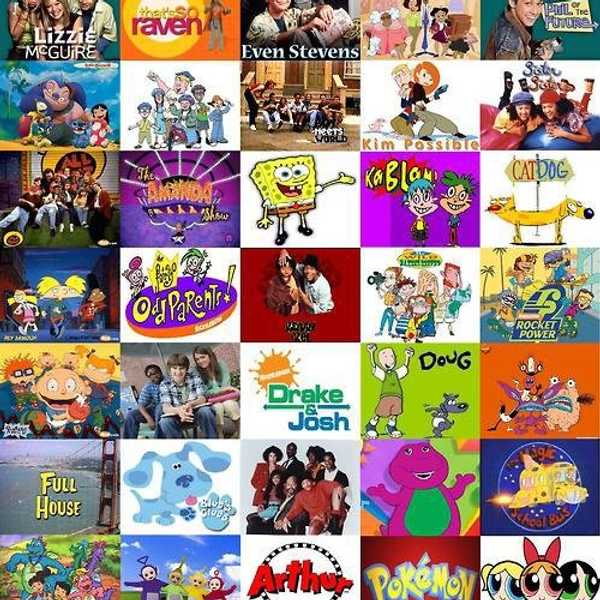


For decades, children have been exposed to advertising in the form of commercials, radio, and magazines. One of the reasons children are a target market for advertising is to create brand loyalty starting from a very young age. In my opinion, targeting children through advertising is unethical. Some of the time, children are too young to even realize what they are viewing is an advertisement. I believe that the government should interfere with child marketers. The reason they should interfere is because creating brand loyalty at such a young age is unethical. Also, studies show that advertising to children is unhealthy for them. The last reason is because children are more vulnerable to manipulation through advertising messages.
In today’s time, children have endless mediums to advertising. They are exposed to television, computers, and cell phones at a young age. With these mediums include thousands of ads; it is estimated that these children are exposed to 3,000 to 4,000 advertisements daily. From an ethical standpoint, advertisers are overstepping their boundaries. Parts of those ads that the children are exposed to are specifically targeted towards them. My stance that advertising to children is unethical is completely opinionated, but I have several reasons to back it. For starters, these advertisements target children to create brand loyalty. In a way, I feel like the advertisements are being imbedded in the children’s minds without them even realizing it. I know from first-hand experience that these children are being affected by it. When I say that advertisements are targeting children, I don’t mean that the advertisements are specifically children based. By this I mean that this isn’t just advertisements for toys or video games, but food as well.
Fast food is a key player in targeting advertising toward children. Fast-food marketing to children as young as 2 was so effective in 2009 that two-fifths of U.S. children younger than 11 ask their parents to go to McDonald’s at least once a week. This is a perfect example of how marketers create brand loyalty at such a young age. This study on fast food targeting children proves that marketers attempt and succeed to create brand loyalty at a very young age. It is important to take into account that this is not an ethical way of advertising. If the government intervened with children advertising, they would be able to regulate it in a way that is ethical for marketers.
This leads to the next reason why the government should intervene with children advertising; studies show that it is unhealthy for the children. Children’s exposure to fast TV ads is increasing, even for ads from companies who have pledged to reduce unhealthy marketing to children. When I talk about advertising being unhealthy for children, I am referring to two ways. The first way is what was previously stated: these advertisements expose children to food that they shouldn’t be exposed to. Clearly, America is known for having an obesity problem; I’m sure these advertisements have some type of impact on this. The second way advertising is unhealthy for children is because it is keeps them cooped up in the house. When I was a child, we did not have cell phones or Ipads; instead, we would go outside and play. In today’s times, children are literally glued to these screens. This is exposing them to thousands of advertisements without them even realizing it.
















