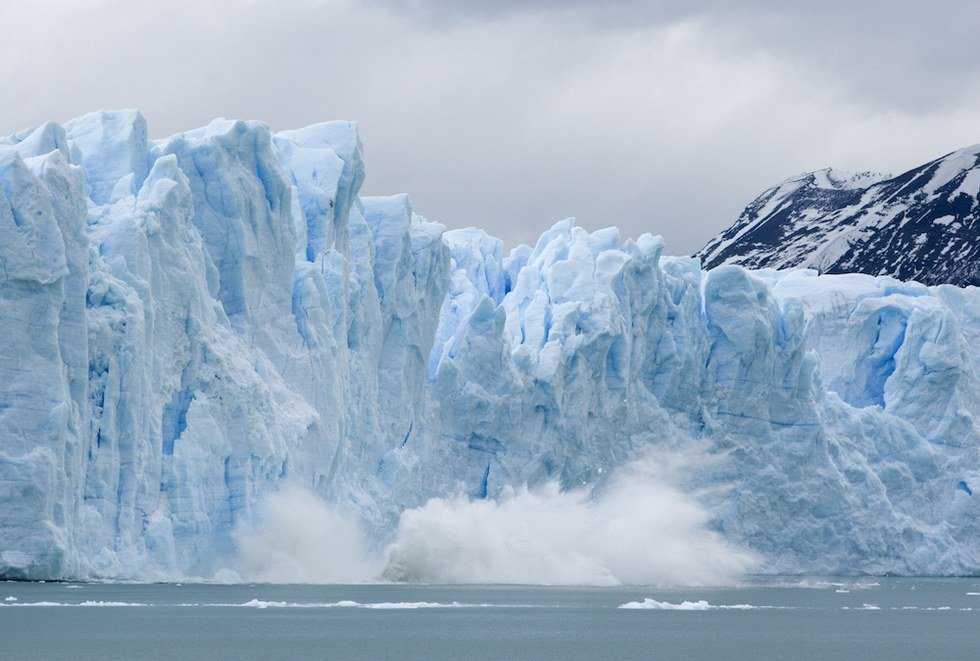
Today in geology, we watched a documentary about the rapid melting of the Earth’s glaciers due to man-made climate change. It featured the photographer James Balog’s time-lapse pictures of several glaciers retreating at terrifying rates in Iceland, Greenland, and Alaska. I’m not a scientist, so a lot of the jargon in the film went over my head, but the message was clear: we’re destroying our Earth.
And that wasn’t even the worst part.
The worst part was when Balog was so moved by the rate at which we are warming the planet that he began to cry, a grown man crying for the Earth. And my classmates, all adults, laughed at him. They laughed at the idea that someone felt so strongly about what we as a race were doing wrong. They laughed at the idea that we aren’t actually leaving a better Earth for our children.
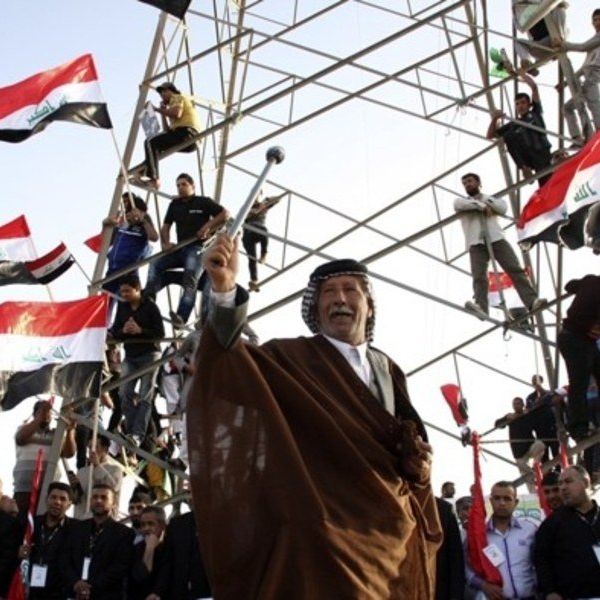
We as a society are guilty of shining light on the terrible problems of our world, but doing nothing to fix them. We see a water crisis in Africa and we feel bad about it for a little while, but we associate it with being the status quo and we leave it be. We see Middle Eastern countries being destroyed, people being left homeless or dead, and we turn the TV off and go on with our lives. We feel 80-degree weather in January, and we see glaciers melting at ridiculous speed, yet we continue on as if life will always depend on how we feel.
I am entirely guilty of this ability to forget the troubles of those less fortunate than me and obsess over my own. It is true that everyone carries a different burden and what is immediately in front of us is sometimes the hardest, but as Americans, we live in a bubble. We expect everyone to speak English like us, and have the same privileges as us. We are one of the greatest nations in the world, so we are born with a heavy sense of ethnocentrism, the feeling that your culture and society is better than others. We are unable to look beyond ourselves at the problems of our world because our society is driven towards ourselves and focusing on our wellbeing.
One of the most exciting things I’ve realized I’ll experience as a journalist is an absolute exposure to these problems all the time. I won’t be able to take a break and I won’t be able to be ignorant. I will be fortunate enough to always be aware of the extreme unfairness of the world and I won’t be able to stand by and let it happen.
Yet, we all must be aware. Most people do not pay attention to these problems except to provide sympathy, but each problem will somehow affect us. We are experiencing an influx of refugees from these destroyed Middle Eastern countries that we don’t know how to deal with. We revel in these hot, sunny days as species that are important to processes on the earth slowly die off. We even ignore disasters that happen in our own country for the patterns of our own lives.
We all know the sayings; “denial isn’t just a river in Egypt.” “Deny till you die.” Denying the world’s problems because you do not believe they will affect you will get you in the end. It’s only a matter of time.