
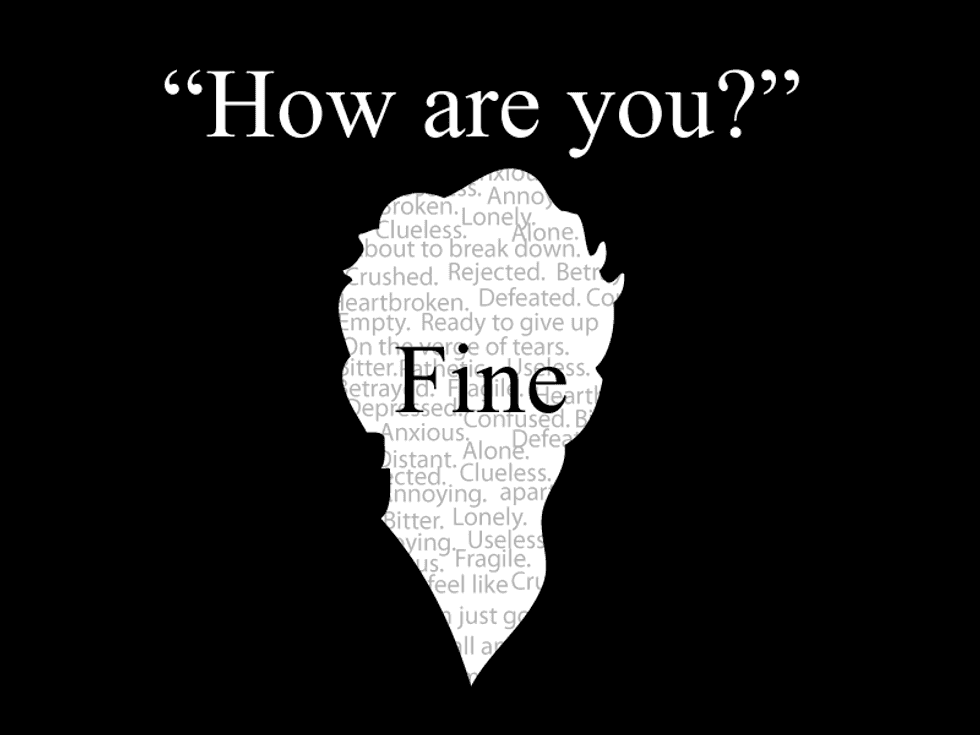
Rape is a subject many would rather shut into a dark closet than discuss, and this causes immense problems for our society as a whole. Reading articles about rapists from a first person point of view is often hard, because I never believed that so many others had been subjected to this horror.
Until now, I have kept my rape tragedy a secret, spare my roommate and my fiancé. Before it happened I thought it was folly for a girl to blame herself; I thought it was silly not to tell anyone about the incident. Afterward, I couldn’t tell anyone. I waited months to even say anything about the rape aloud to myself.
Not all rape is the same. Sometimes there is a slurred yes involved, and often times there isn’t. A slur provides the exact same amount of consent as a no, or as silence. I have become relatively impressed with the amount of advertisements and discussion of rape in the media, with posters and videos urging that consent is absolutely necessary and “if you don’t get it, you don’t get it.” I’ve struggled for over a year with my case, wondering if it was my fault and if I actually implied consent. I’ve hated myself for what happened. My experience with men was forever changed and luckily I have found a caring soul in my fiancé who supports and admires my decisions, sexually and otherwise.
My first semester of college I met the man who would become my rapist. He was kind to me. My mom warned me about going to his house the first week of school, but I didn’t listen. My brother played soccer with him in high school; I knew him. The act wasn’t violent, but I never said yes. I didn’t scream or cry then, but I did for weeks afterward.
I struggled, and some days continue to struggle, with thinking the fault was mine. I didn’t report it because I was worried about ruining his life even though he will never think that he soiled mine. I thought no one would believe me, because I’m the girl; I must have done something to make it seem okay. Even further, telling my family was and continues to be a huge step in my healing process. Because of the way rape is treated, I felt bad about telling my father. Afterwards I was ashamed and thought that he could have lived his entire life without knowing, but this is the problem. I shouldn't be upset about telling loved ones and asking for their support.
I’m not writing for sympathy, I’m writing because thousands of other girls and boys feel the same way as I do. One of every six American women is the victim of attempted or completed rape, and 44 percent of rape victims are children under the age of 18. These women could be your mothers, sisters, cousins. They could be the girl you see at the bus stop every day or the woman who works in the cubicle next to you. She could be your wife or girlfriend. Worse even, than the thought of being surrounded by women who have been sexually assaulted, is the fact that only 3 out of every 100 rapes will result in a conviction. And this statistic only represents rapes that have been reported.
The aura that surrounds rape leaves thousands of women unable to discuss their experiences and in time rehabilitate themselves, and this is because of the way we as Americans treat rape. Our viewpoints are fundamentally flawed. Rather than teaching boys not to rape, we teach girls not to be raped. As opposed to telling females that they are worthy of respect, high schools across the country force them to cover themselves as if their bodies are something to be ashamed of. We cannot expect women to value themselves while simultaneously telling them that their self-worth is based in the opinion of a man.
Empathy is the greatest tool we have in the fight against rape culture. By placing ourselves in the shoes of women who have been raped, we gain perspective that allows communities to grow and relationships to flower. If you could imagine the anger my dad feels reading this, or the tears my mom is crying for me, then we as a whole are making improvements.
Tell your daughter that she was beautiful before a man said so and let your sister know that she has a right to respect and anything less is inexcusable. Be a voice for the countless citizens who don’t have one; your support means more than you can possibly imagine.
The statistics in this article and further information and resources about rape can be found at rainn.org and Rape, Abuse & Incest National Network.