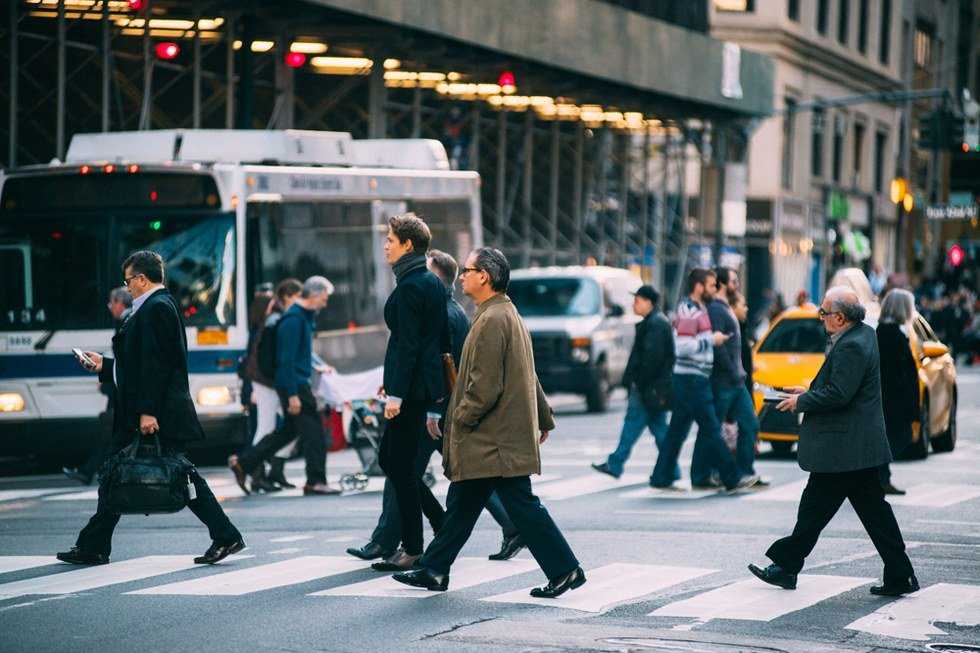
Each and every day, I, like many across the United States utilize a crosswalk in order to cross a busy intersection. My morning saunter to class begins when I leave the front door of my dorm and proceed with haste across North Broadway onward towards the numerous cars waiting on both my sides. Sometimes, not so patiently waiting, I might add. I just expect them to stop; almost forgetting they are even there. I have seen people not even look up from their phones. I, and many others, taken this crosswalk for granted. Pedestrians are entitled to the crosswalk, and most everyone who crosses, thinks everyone else should stop for them and think nothing of it. I bet if I was to look at the faces of drivers, they would not think the same. “Won’t even wave. People these days. Rude.” I can hear them right now. Are we all that blind? No, because I noticed it.
The crosswalk holds a deeper meaning in my mind. It seems to be a telling metaphor. This almost forgotten daily routine can be compared to a facet of American culture as a whole. That's right. Entitlement programs, or welfare programs.
Americans (some, not all) go about their days with their heads down. They expect others to watch out for them and get out of their way. Sometimes, you can pass the entire day without saying a simple, ‘hello, have a nice day,’ and not even realize it. American Culture can be blind. Maybe it seems like the self-absorbed society in which we live creates this sense of entitlement. Or maybe it does not. Maybe it just seems that way. However, I do not feel as if I am entitled to the crosswalk. I merely use it because that is what I was taught to do. It is there for me to use. But, what if a driver does honk or heckle as I cross the road in front of him?—something that is, in fact, my right-away. I would probably respond by thinking he was crazy because the crosswalk is entitled to me and other pedestrians. I may even resent his opposition. Translate this to the debate on entitlement programs.
Entitlements are useful and help a great deal of people despite the fact many Americans oppose the idea of social welfare programs. The metaphor of the crosswalk also shows that those receiving the entitlement are not doing anything wrong. The program is there to help them; therefore, they should utilize it. Maybe also, that person should do something to help show their appreciation. I will close with this. Next time you cross the crosswalk, remember the people stopping for you. You may have to stop for another person one day. Do not act a fool towards them and become irritated when they walk out in front of you, remember when you were there. And for those crossing, let the drivers’ know you appreciate them however you can.
Bet you will never look at a crosswalk the same again.