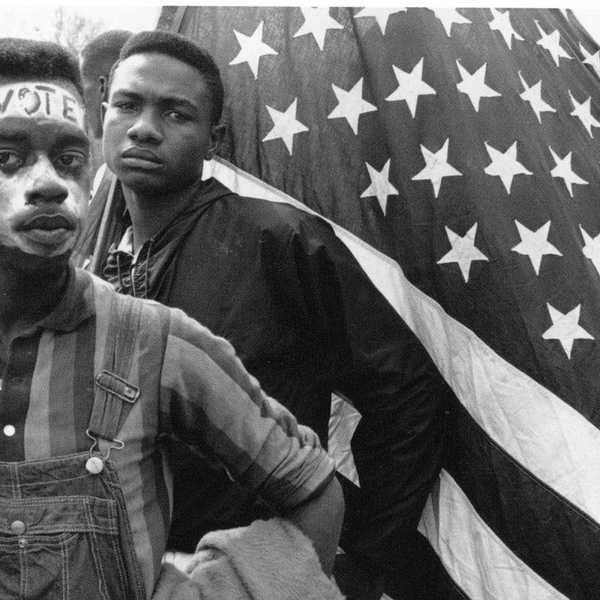

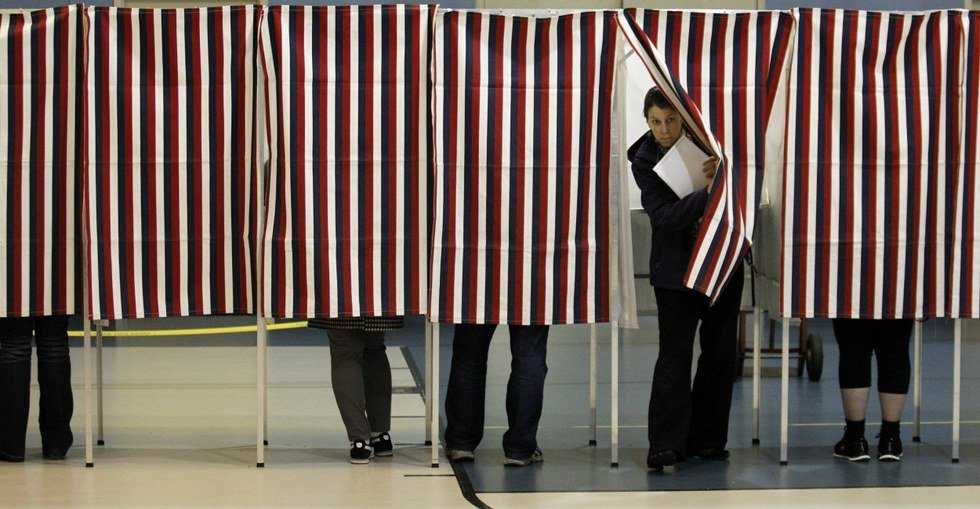
Voting is fundamental to American life. It is something we are proud of. We get to decide who is in our government and how it is run. Through our history, we have fought for that right on many occasions; the fifteenth, nineteenth, twenty-fourth and twenty-sixth amendments to the United States Constitution, have ended voting discrimination based on race, color, sex and age, and have also ended voting taxes. But even today, not everyone of voting age can vote in this country. 33 states have passed laws requiring voters to show a form of identification at the polls. While some may argue that these laws prevent voter fraud or are just “common sense,” (Pennsylvania state Representative Daryl Metcalfe argued) they disenfranchise voters and are used to keep people away from the polls.
Referred to as “voter ID laws,” these laws have been appearing since the 1950s when South Carolina began to request voters to provide some form of identification. It could be any form of identification, picture or no picture, and if you did not have a form of identification you could still vote regularly. It was not until 2005 when states started passing strict photo identification laws, and the Supreme Court of the United States upheld these laws in Crawford v. Marion County Election Board (2008).
Studies have shown that 11 percent of citizens that could vote do not have any form of identification. These percentages increase when looking at elderly citizens, African American citizens and those with low-income. And while getting an ID might seem like an easy solution for this, the process in many states for getting one can be expensive and difficult. A study by Richard Sobel (through The Charles Hamilton Houston Institute for Race and Justice at Harvard Law School) found that cost for getting an ID can be between $75 and $175. Voter ID laws seem less like “common sense” to me when people start having to question if they can afford to vote.
Don’t get me wrong, I don’t want the streets running rampant with voter fraud, but Voter ID laws do not really stop this from taking place. The type of fraud these laws prevent is voter impersonation, which is one of the least common forms of voter fraud. In one study only 31 incidents (out of more than 1 billion ballots), could be found since 2000. 31 incidents are potentially preventing 11 percent of the population from voting. I don’t believe that this cost outweighs the benefit of having voter ID laws.
If the forms of identification that were asked for were truly free and easy to get access to, this would be a different case, but they are not and they potentially prevent millions from voting. In a country that is so proud of its ability to vote, we should all have the same equal access to it. Voting should not be a privilege to those who can afford it and instead of preventing people from casting their ballots we need to be encouraging people. Voting is important to our country, and we all should have the equal ability to do it.