On July 23rd, 2016, the United Kingdom held a vote as to whether or not they should leave the European Union. The choice to leave won the vote by 52% to 48%. Throughout the United Kingdom, the voting was almost a tie, however in a few areas there was a noticeable lean toward the choice to leave. One of these areas is London, England.*
On July 26th, 2016, I arrived in London, England for four weeks of a study abroad program. I knew that the vote had taken place, and which direction it went, and at first I saw it to my advantage. I was simply relieved that the currency exchange was going to be cheaper and easier for me, thus making my time in London less costly. I was rudely awakened to the reality of what had happened. I won’t go into all of the details of how the Brexit decision has made an impact on the United Kingdom, as you can research into that yourself, but I will share how I have witnessed first-hand the reactions of the people.
Shortly after I arrived, my program had the opportunity to listen and join in on a conversation between Sir Stephen Smith, Vice Chancellor of the University of Exeter, and Dr. Judy Genshaft, President of the University of South Florida. Overall, this chat was very enlightening, as all I had heard until then was the media’s portrayal of Brexit. Sir Smith gave many excellent points regarding how the decision was made and how the United Kingdom was being affected. To summarize, the people of the United Kingdom were not well-informed of what they were actually voting for, and many unaware citizens voted to leave out of pure curiosity of what would actually happen. Additionally, some voted more as a way to make a statement against what was going on. There was a lot of racism and tension arising from those who felt “their” community was being overtaken by other ethnic groups.
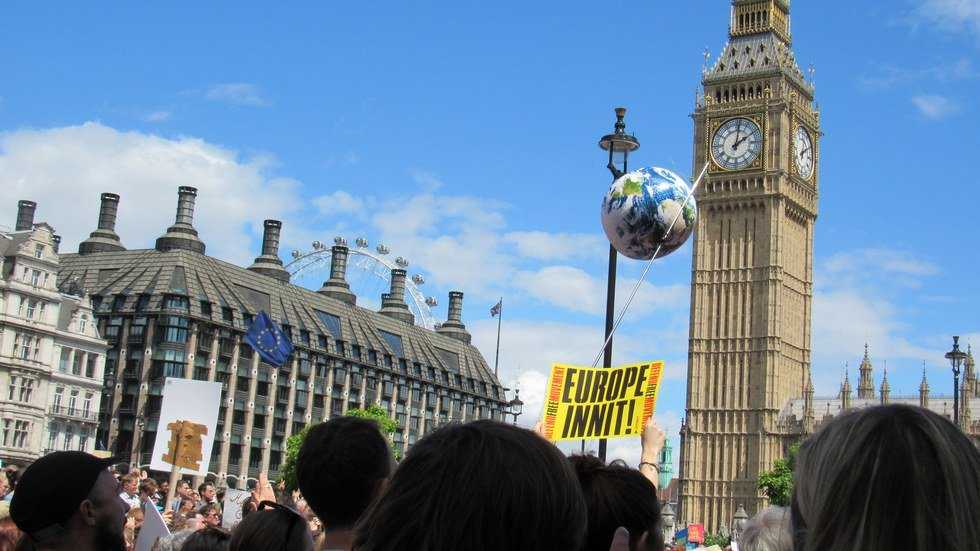
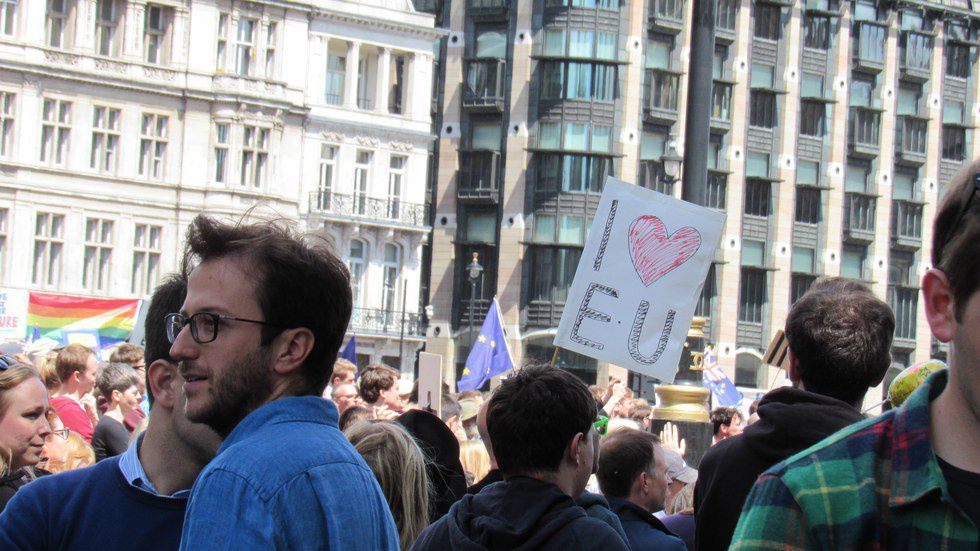
Along with Sir Smith’s point of view on this subject, I also was part of a discussion between other members of this trip and a local. He mentioned coming home to his girlfriend after the decision had been made and seeing her weeping. I have overheard people in cafes discussing how tragic this event is and what it could possibly do in their lives. This decision is just the beginning of what they believe will be a time of extreme tension and turmoil. There have already been protests taking place, aiming to somehow formulate a way to take back what has happened, even though the chances of that happening aren’t high. I was able to witness a protest taking place right next to Westminster Abbey on July 2nd, 2016. These images may help to show the feelings of the people of London:
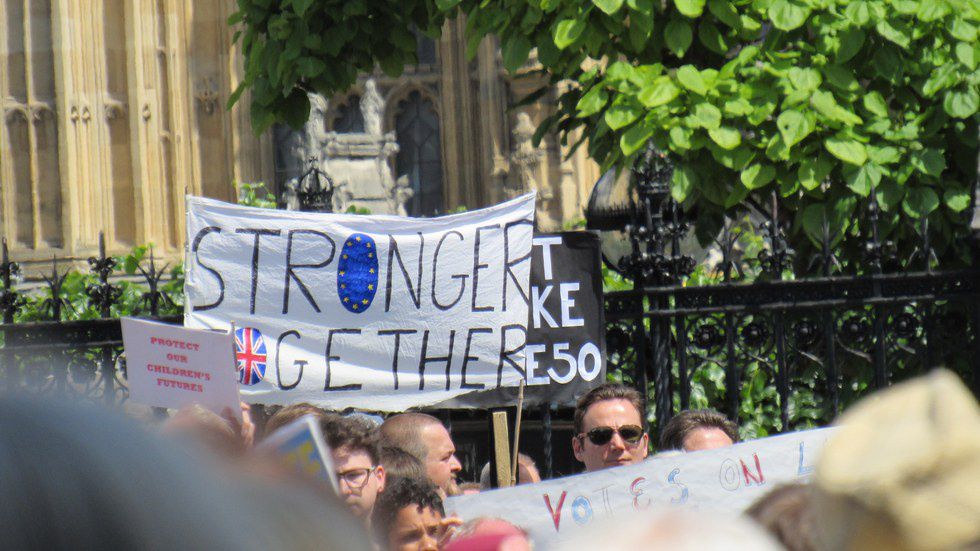
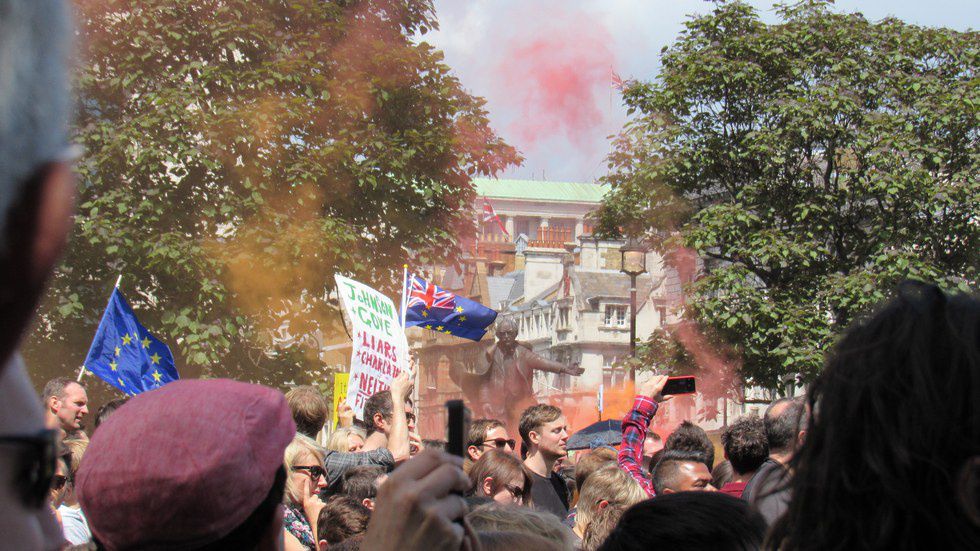
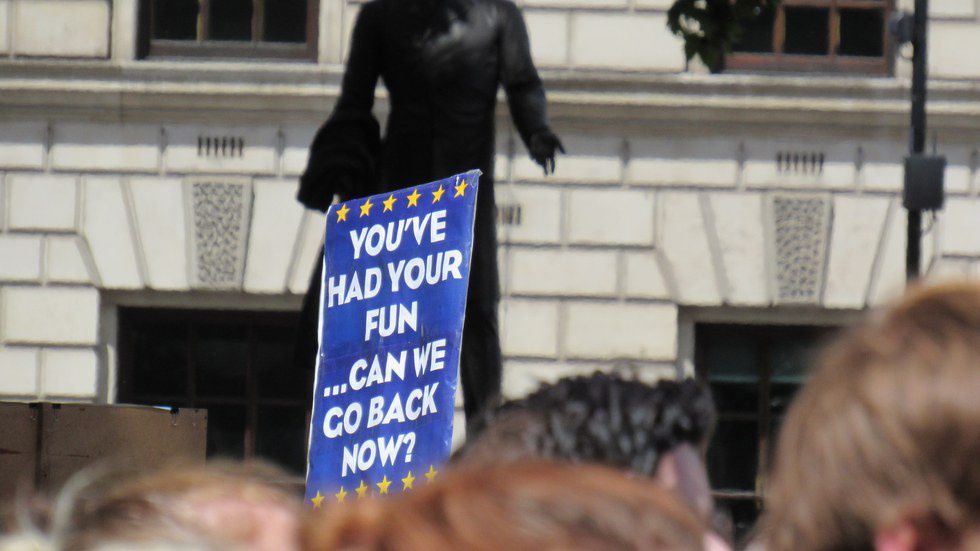
From this information, I would like to make this relevant to those who are citizens of the United States. This is what happens when we let our emotions and the media influence our logic and rationality. It is important that we take this world event and apply it to our situation. When it comes to national issues, we must make our decisions based on true research and understanding of the implications of our choices. It is crucial that the public is educated about what is going on in their country and how they can help make an impact. Along with this, we must not let our resentment against things that have taken place in our country cloud our judgment and allow us to be persuaded by the media and false promises.
No matter which direction you follow, in all issues of national importance, remember that your votes count. This is no time to make rash decisions because this is our future. Still, this is the time where each individual can make such an impact on our nation. Let’s get informed, get inspired and get involved. We need to take hold of the reigns because we are the people of the United States of America.
*Hunt, Brian Wheeler Alex. "The UK's EU Referendum: All You Need to Know." BBC News. N.p., 24 June 2016. Web. 07 July 2016.