If you're not winning at life, the least you can do is give people the impression that you are. Some believe they can "win" at life by turning it into a game, with a rulebook that fits their play style. There's a saying that goes something like "Dress for the job you want, not the one you have." Once someone zeros in on the game that's right for them (usually like a job or something), it's time to activate ambitions and assimilate talents. We raise our kids to rise above the crowd, to change the world that they were brought up in, and to somehow suck less than their parents. The conclusion I draw from this is that we're all trying to define a unique legacy for ourselves, but ultimately still fall into a similar collective whether we know it or not.
In the grand scope of things, we're all just people. But some are uncomfortable with the idea that maybe we are no better than anyone else, that our own time might not be worth more than another's. Overall, Millennials do spend a lot energy and time is managing their online image as a tool to differentiate themselves from everyone else doing the same thing.
It's the tiny marginal differences that are exacerbated to make an icon truly outshine the rest. Unfortunately, a lot of those differences are based on first impressions, considering the lack of attention span allotted in today's information overload.
Self-promotion is what we're taught to do in a job interview. In this case, it involves putting oneself in position to grab the attention from whoever the competition is. Becoming louder while fine-tuning what makes the message work in the first place as an elegant art form, requiring constant upkeep. Some may call this art public relations.

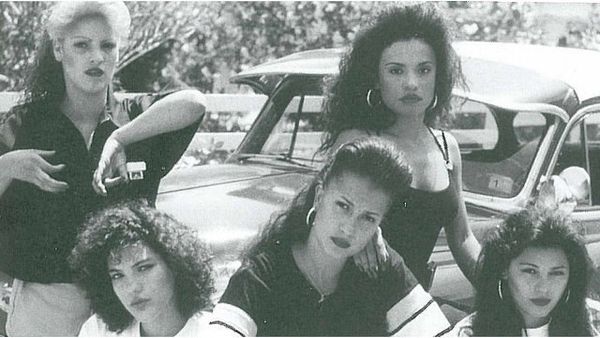
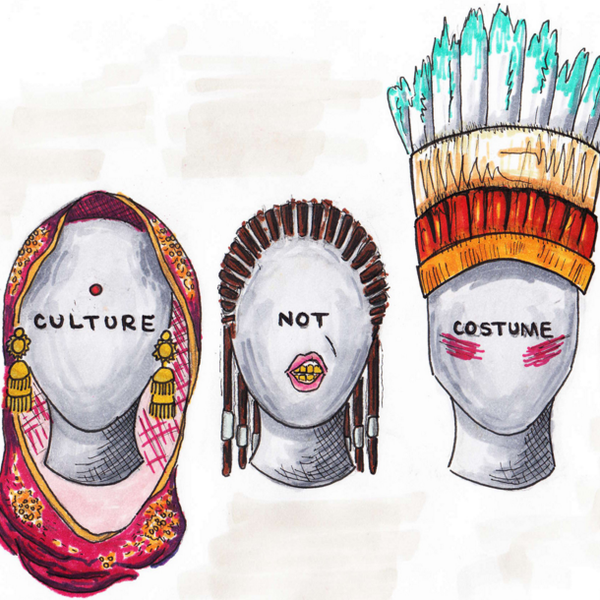
Self-promotion is treated like an arena in everyday society from the minute we wake up. Dressing the part often means embodying styles and brands that express you as a person and amplify whatever you stand for. As shallow as this sounds, these choices are an outlet of the self that is to be promoted. If a personality is a shining light, whatever they're wearing is the filter. Whether it's just something comfortable, good ol' boy plaid, Greek organization letters, some beat-up punk rock gear, yoga tights, or professional straight collars, they're all costumes. Our wardrobe choices act as body armor to fit whatever environment we choose to promote ourselves in.
Promote yourself well and we're promised favorable odds. Promote yourself wrong in some places, and you may be asked to leave. Some really enjoy playing with that balance. Heck, I love my overrated pair of Ray-Ban sunglasses. Who wouldn't want to be mistaken for one of these fine people?
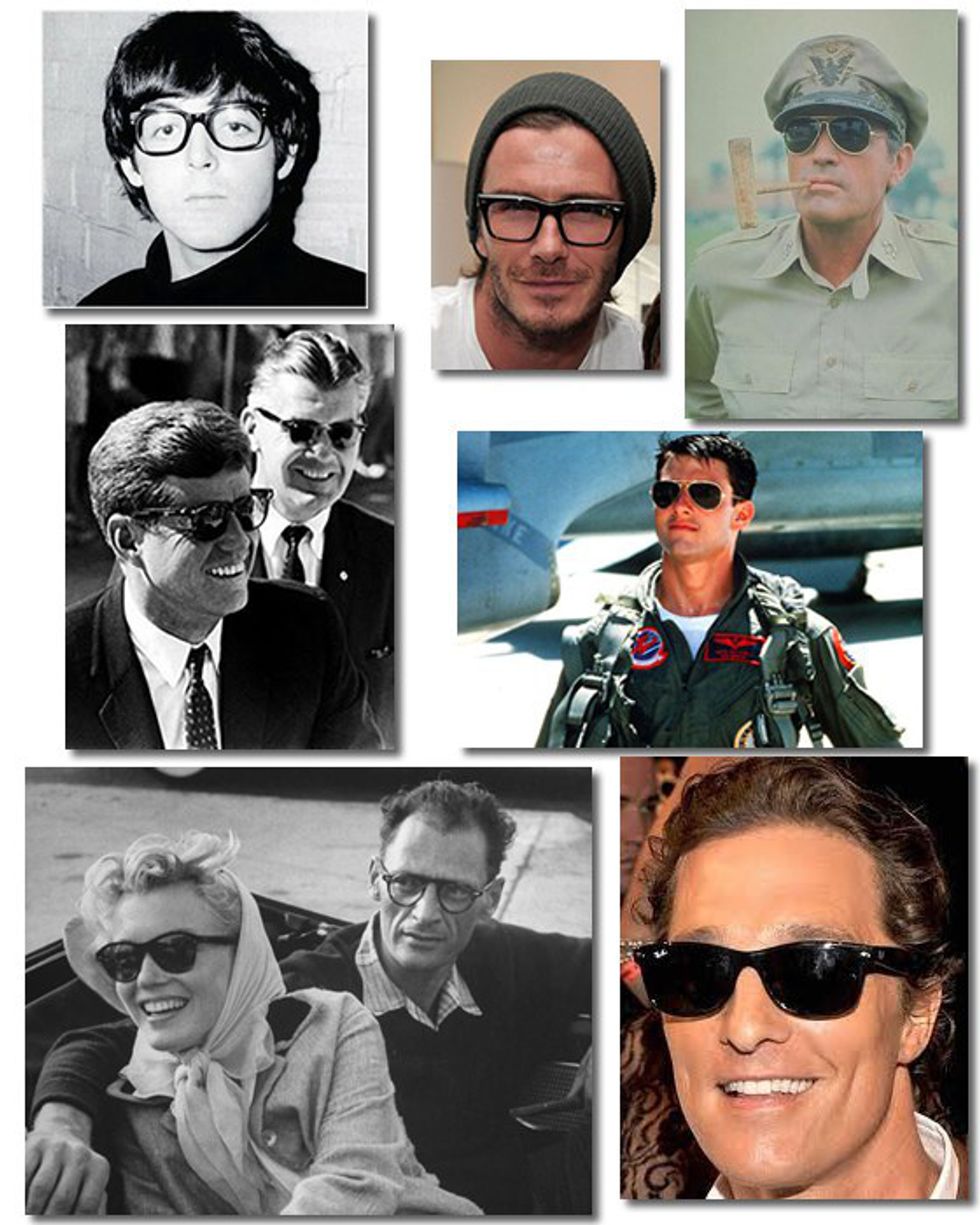
Maybe nostalgia is more of the driving force in this case, but it seems that Ray-Bans formed a symbiotic relationship with these icons. I'm not the sexiest man of 2005, a combat aviator, or a presidential candidate. I'm just a young North American guy who enjoys the history Ray-Bans has represented in American pop culture, even if their ads are usually in the form of online spam. I'm also wearing them right now.
This art of self-promotion should be a class, not an article. Ever since everyone began capitalizing on the tools of networking, a new industry has been born for those who have what it takes to elevate themselves within it.