



Summer's a great time to turn some pages, and I certainly did my share. Here are the eight best novels I read this summer (with publishing dates ranging from the Victorian period to this past June and covering genres from young adult to fantasy to realistic fiction).
Without further ado:
1. With Malice
Eileen Cook, 2016
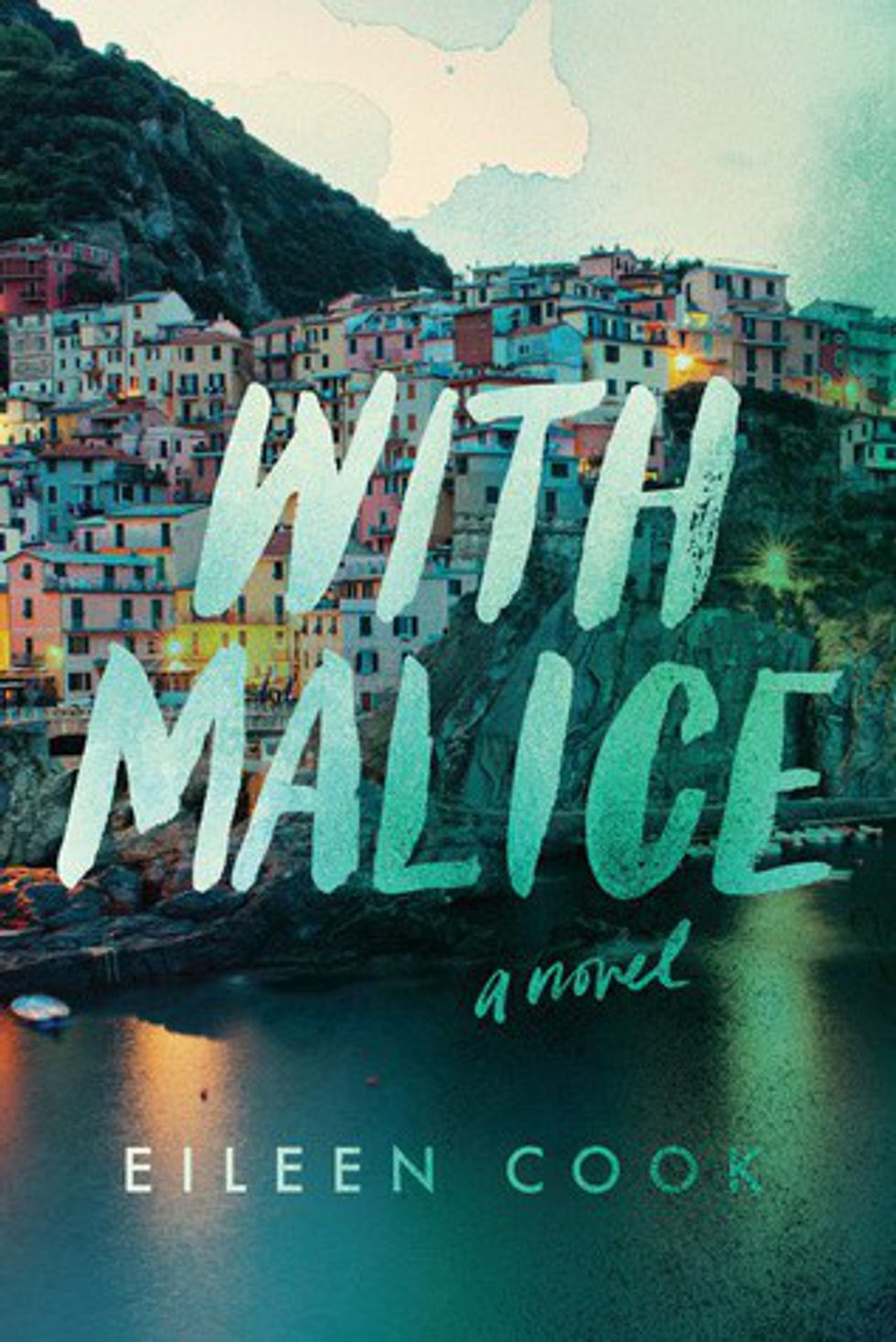
Jill's school trip to Italy should have been one to remember: landmarks, museums, romance—and the tragic death of her best friend. But the deadly accident lands Jill in a coma, and when she wakes she can't remember any of it. And she quickly learns she is a suspect in Simone's death.
Cook's writing is tight and well-paced, making "With Malice" difficult to put down. Her use of objective bits of police reports, TV interviews and blog posts contrasts nicely with Jill's subjective and amnesia-handicapped point of view, exploring the way the media makes crime and grief a public event, all while creating a story that builds more and more rapidly to the unsettling question: could Jill really have killed her best friend?
2. Straw into Gold
Gary D. Schmidt, 2001
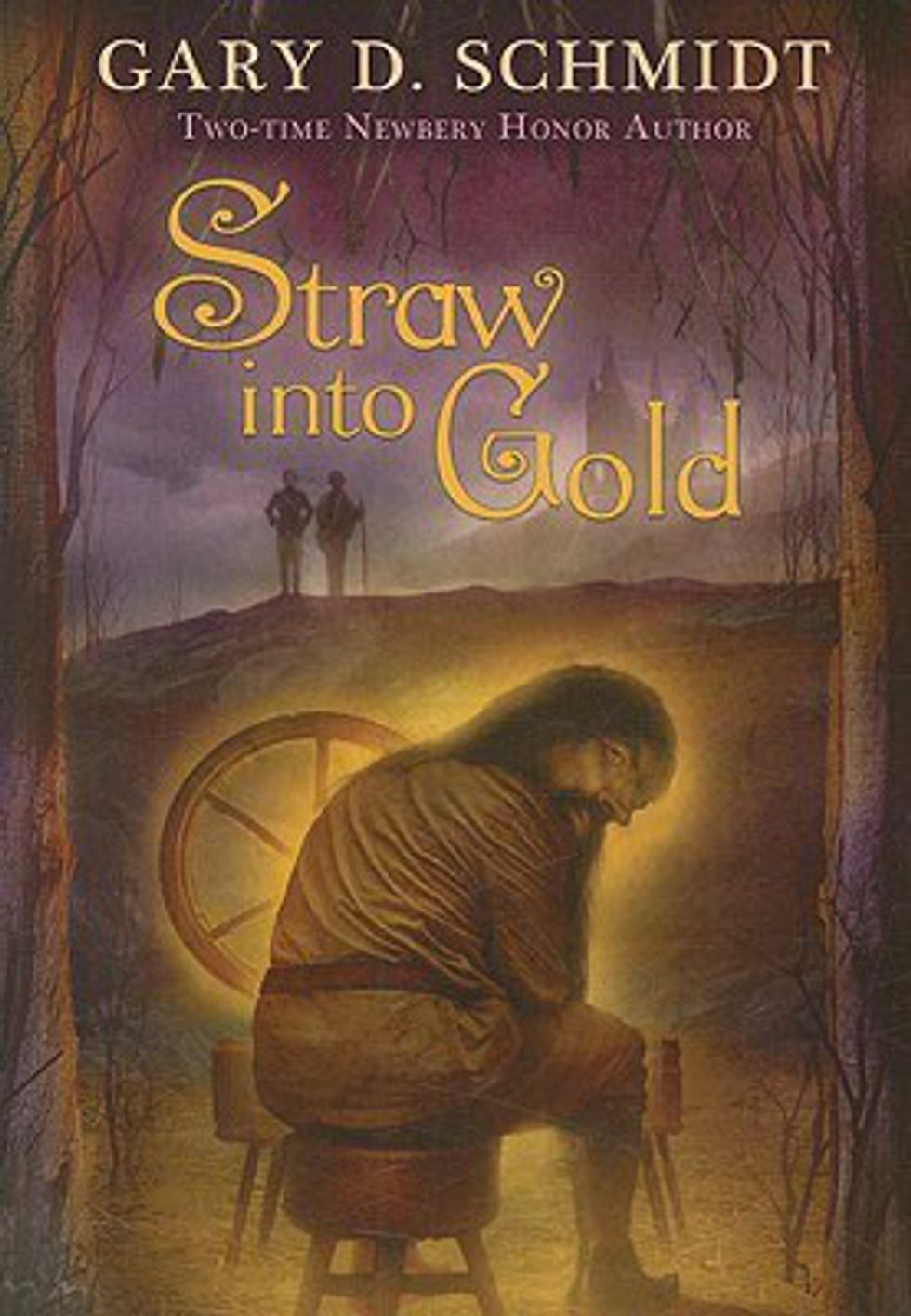
The prologue to this young adult fantasy novel imagines a version of the Rumpelstiltskin tale in which the queen cannot guess the mysterious man's name, and he takes her baby from her. Years later, young Tousle and a blinded boy named Innes must go on a quest, with lives in the balance, to find the answer to the king's riddle: What fills a hand fuller than a skein of gold?
Schmidt's delightful prose brings the story to life as Tousle and Innes discover ever more riddles to solve: What happened to the queen's baby so many years ago? Who is Tousle's mystical Da, really? And why does Tousle feel like the only one who doesn't have an innate gift? Tousle's is a story of adventure, danger, courage, disappointment and—ultimately, beautifully—the strength and endurance of love.
3. It's Kind of a Funny Story
Ned Vizzini, 2006
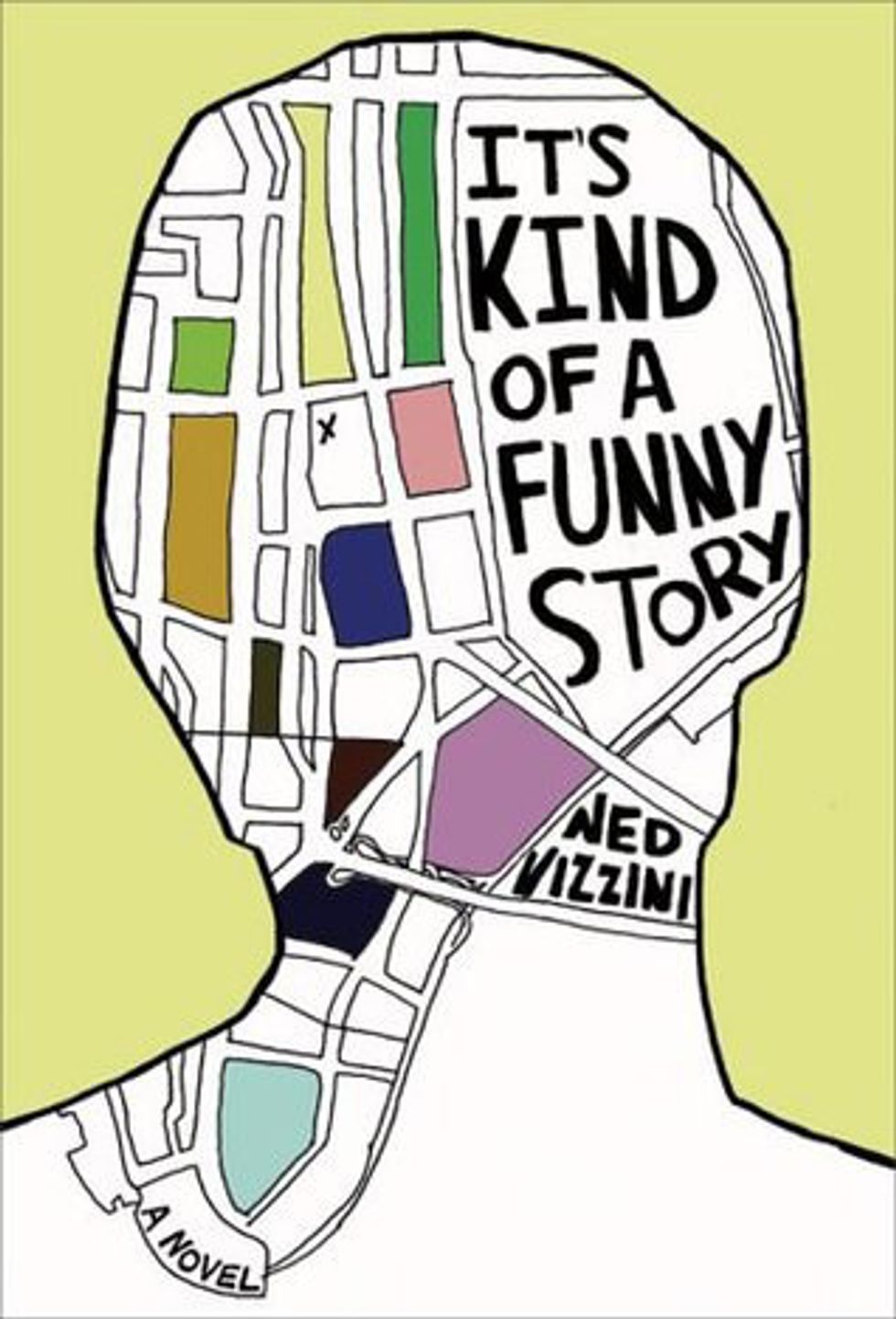
Craig Gilner admits himself to a mental hospital when he starts to feel suicidal. He doesn't understand why he can't seem to function like a regular kid: he has friends, a loving family, and he goes to a good school, but he can't seem to handle the pressure to achieve the life laid out for him.
Craig's firsthand account of balancing life in the mental hospital (counseling, art therapy, girls) with more typical teenage-boy problems (homework, frayed friendships, girls) is entertaining, serious, and moving, while avoiding the romanticization of mental illness that is so prevalent in the increasingly popular “sick lit” genre. Vizzini's writing is detailed without dragging, and his novel is as sober as it is hopeful.
4. The Elegance of the Hedgehog
Muriel Barbery, 2006
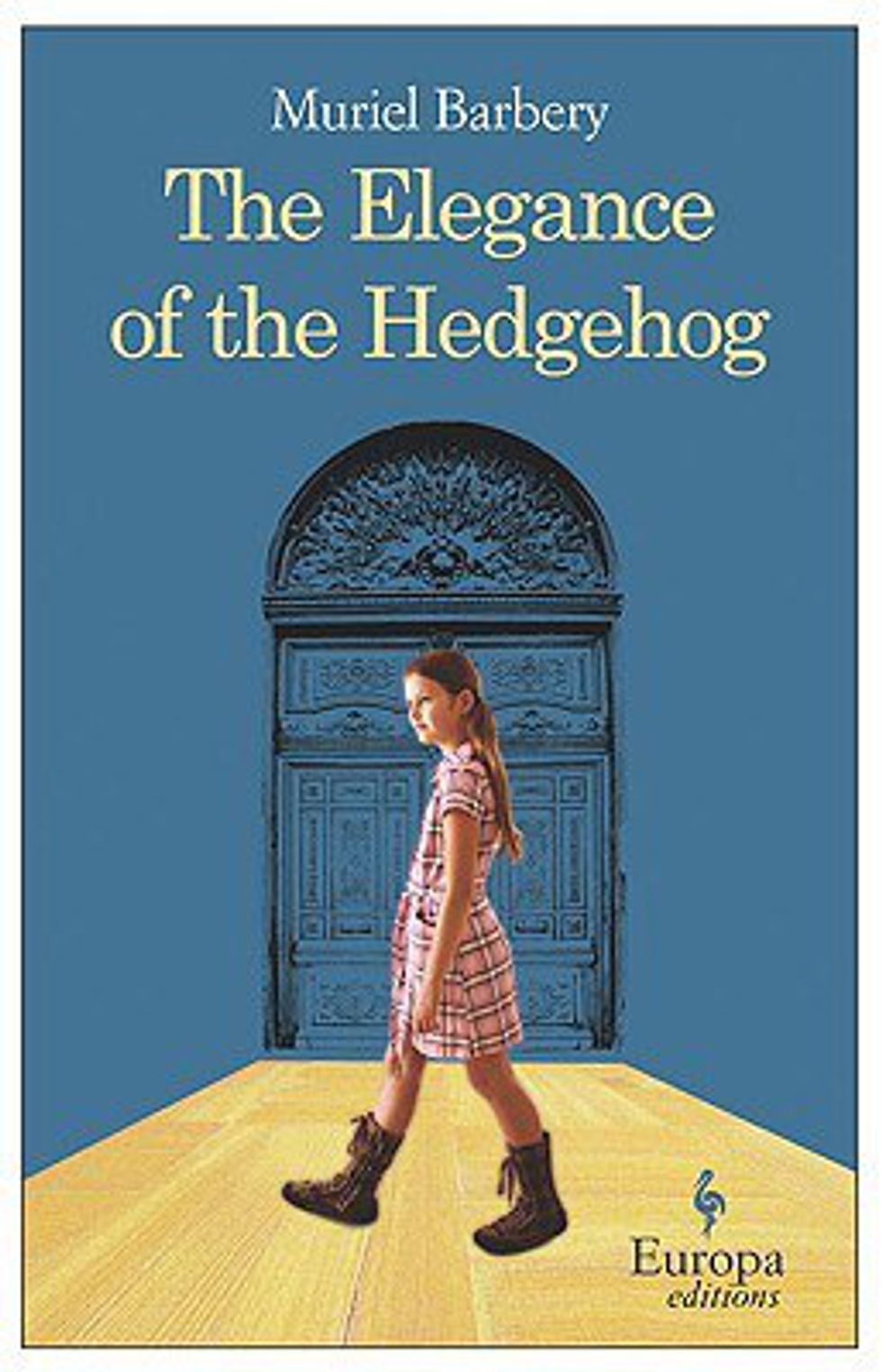
This book's unusual title refers to Reneé, one of the book's two narrators and the concierge of a high-class apartment complex in Paris, as described by the other narrator, Paloma, the world-weary young daughter of one of the families that lives there. Reneé and Paloma both have a secret: they are both extremely intelligent—so intelligent that their lofty style of narration can be a little difficult to get accustomed to—but they prefer to keep their genius to themselves.
The novel records both characters' observations about the world—their unique opinions on art, friendship, cats and the idiocy of most of the people around them. It takes the arrival of a new tenant in the building to bring the two together and help them see the world in a different light. Barbery's is a thoughtful and insightful take on the trivialities and wonders of modern life.
5. Villette
Charlotte Brontë, 1853
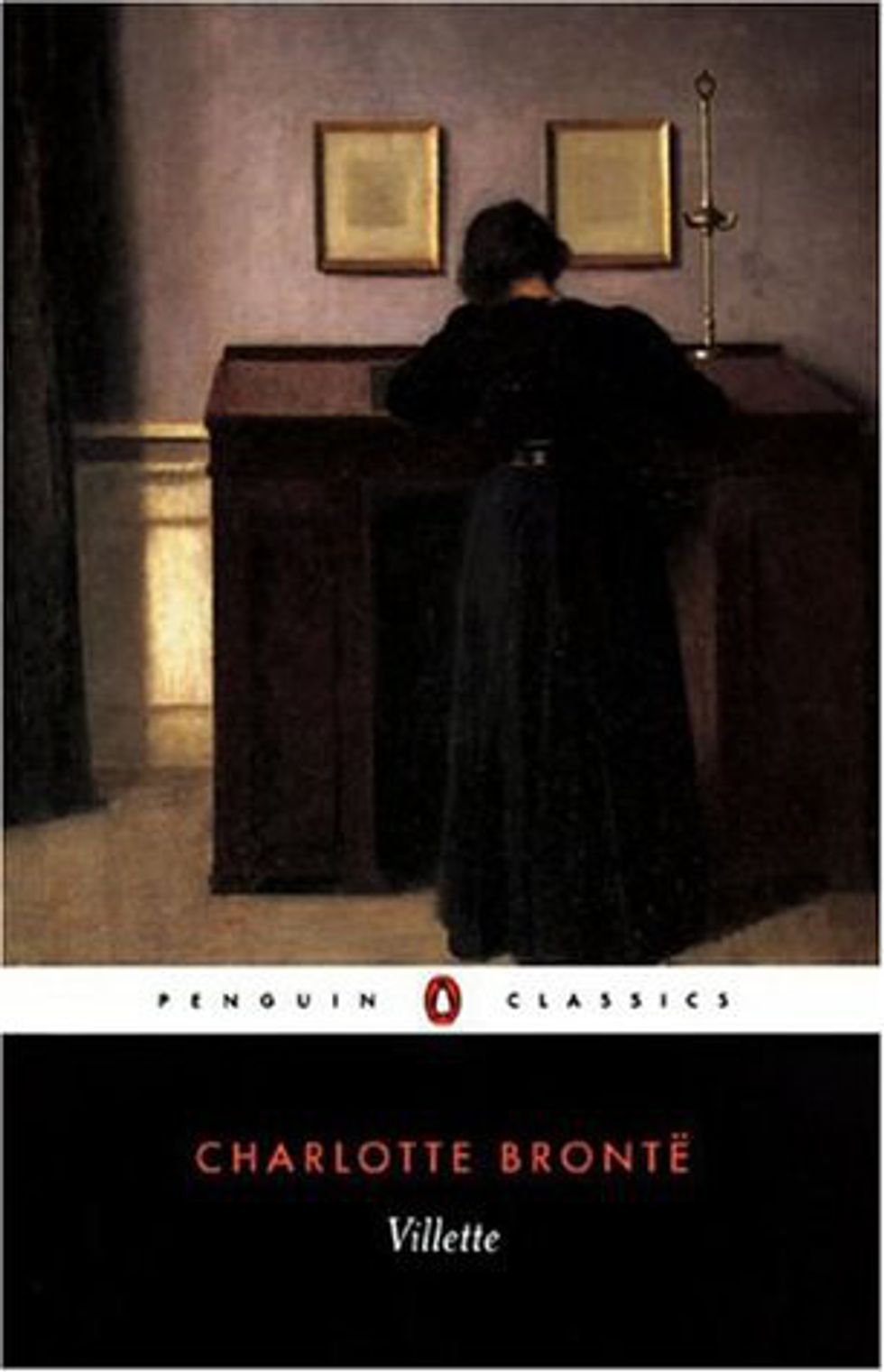
Though often overshadowed by her sister's “Wuthering Heights” and her own “Jane Eyre,” “Villette” is a unique jewel in the Brontë trio's works, and in the canon of classic literature as a whole. Brontë's masterful prose creates a narrator unlike any other: Lucy Snowe, a young woman as thoughtful and good-hearted as she is unfortunate. Lucy is meticulously observant of the world around her and its inhabitants and is as deliberate about what she leaves unsaid as she is about what she chooses to describe. The novel is quite long, but its beauty, its unique style and its candor about the bleakness and hardships of the world make it a masterpiece too often overlooked.
6. The Bell Jar
Sylvia Plath, 1963
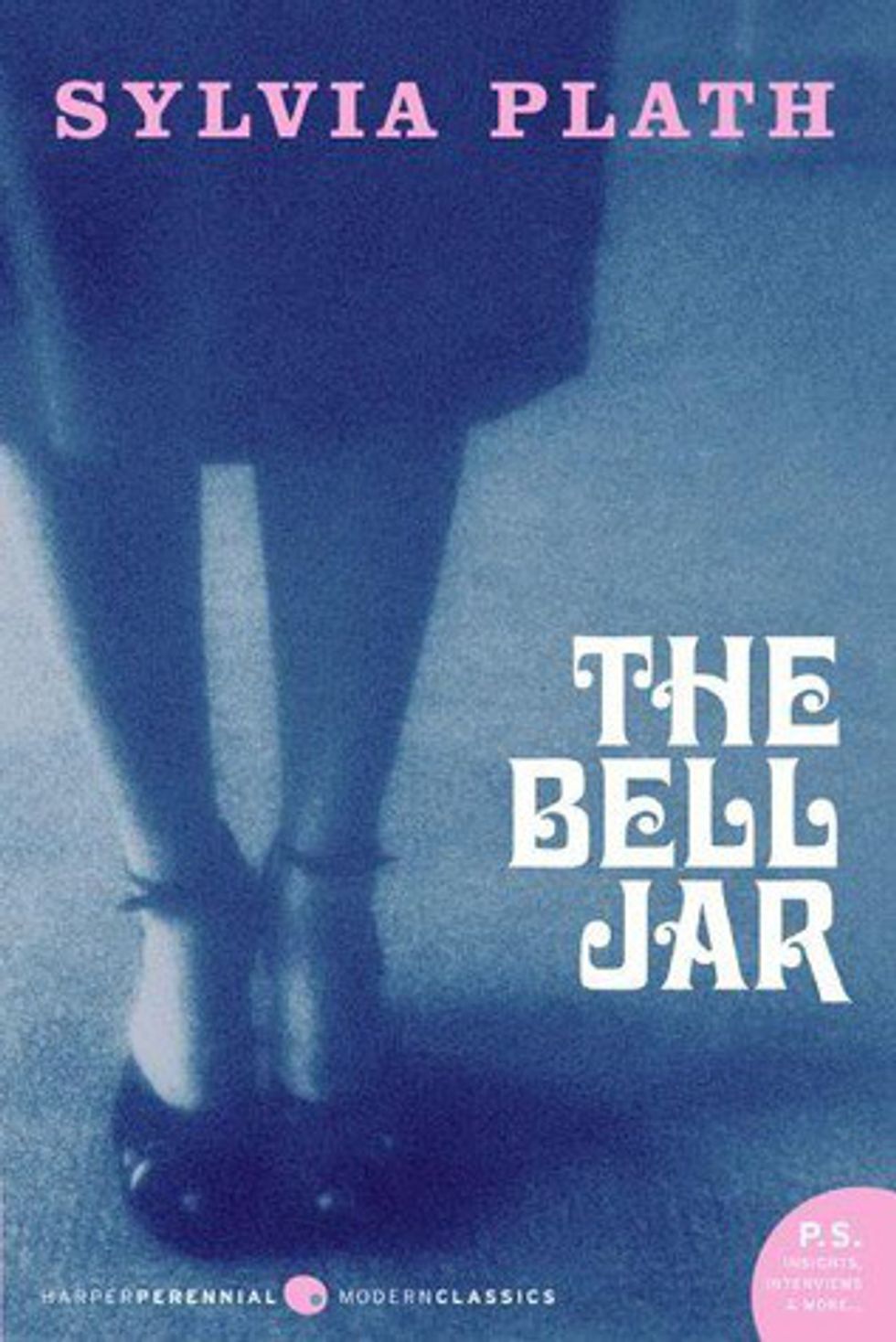
It's amazing how a novel in which, ostensibly, not a lot happens can be so very engaging, simply because of the author's skill at storytelling. “The Bell Jar” is another book centering on mental illness, following Esther Greenwood's journey from a disenchanted New York City intern to a directionless young woman struggling with severe depression.
Esther's strong narrative voice makes her life and perspective intriguing, straight from its famous first line: "It was a queer, sultry summer, the summer they electrocuted the Rosenbergs, and I didn’t know what I was doing in New York." The novel is not shy about expressing pain and darkness, but Plath's beautifully unique storytelling is honest about the hopeful aspects of life—however small—as well, and her chronicle of Esther's breakdown is still relevant half a century after its publication.
7. The Little Prince
Antoine de Saint-Exupéry, 1943
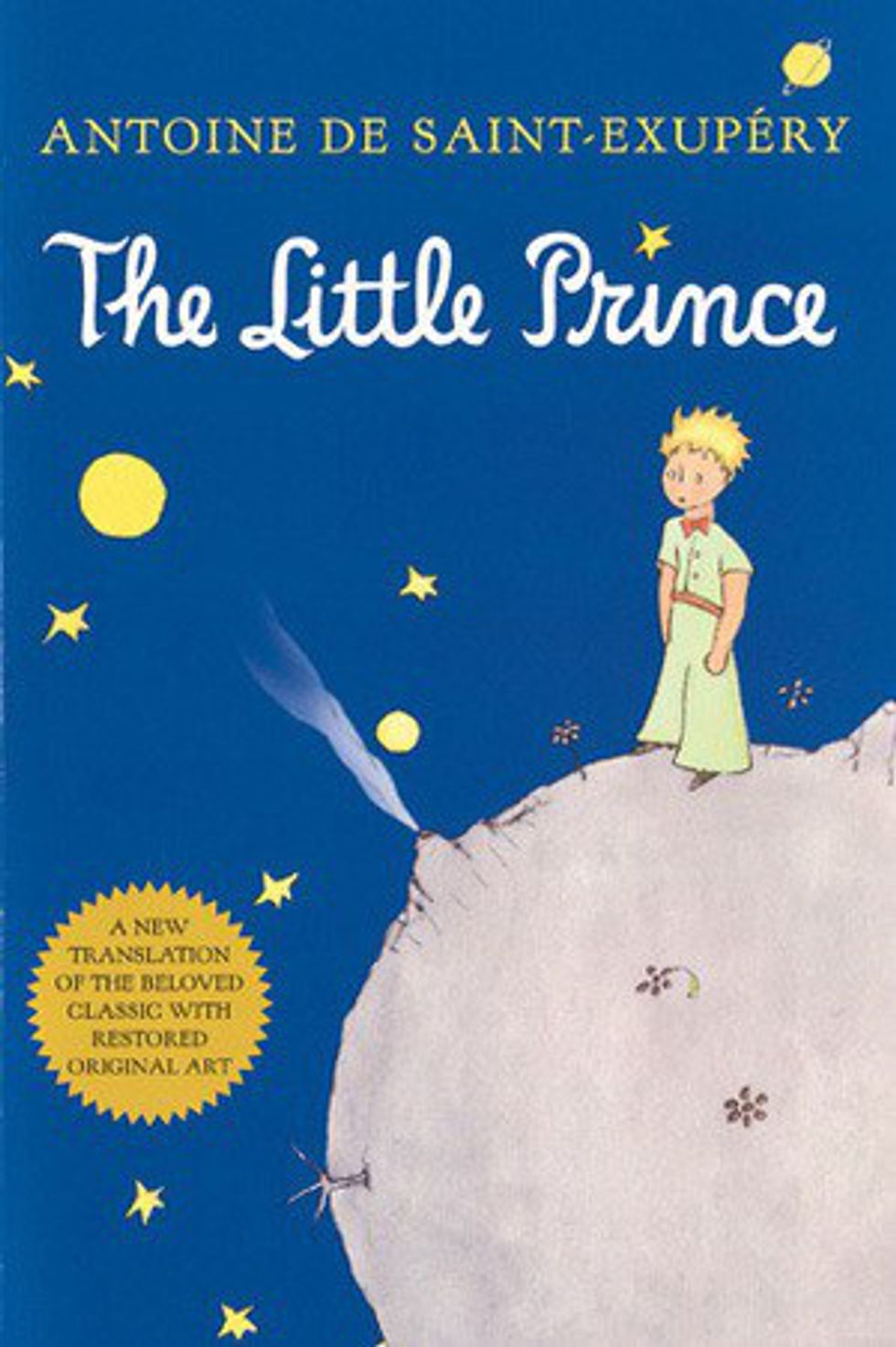
This classic has recently been made into a Netflix movie, but there is not much that can match the simple beauty and wisdom of “The Little Prince.” It might be classified as a children's book, but it's also a worthwhile read for adults, and a short one as well—it's quite possible to get through it in one day. Everything about this book is enchanting: the illustrations, the story, the Little Prince, the rose, the fox and the other characters, the refreshing innocence. It is a book as poignant as it is refreshing and magical.
8. The Kite Runner
Khaled Hosseini, 2013
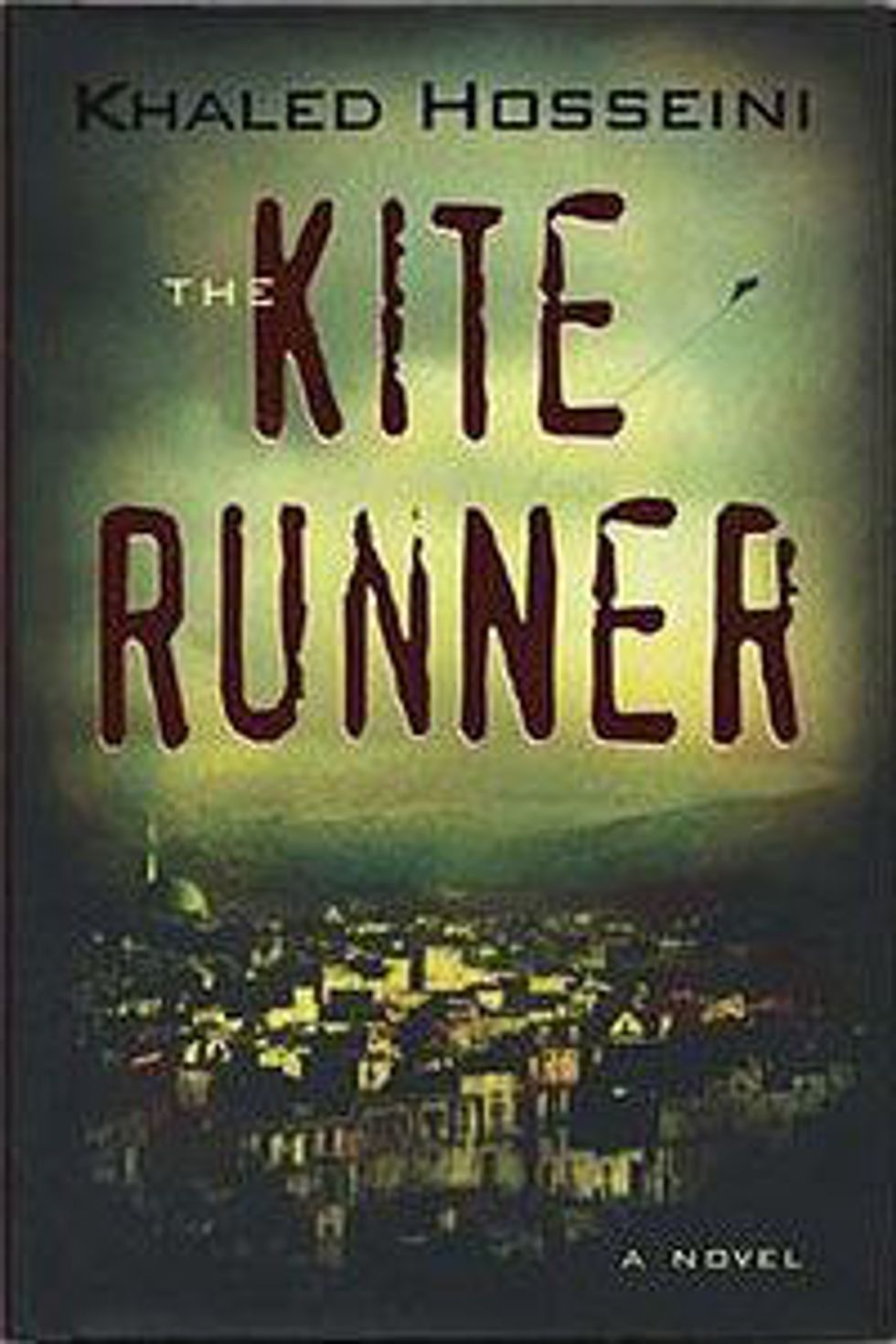
“The Kite Runner” is the haunting story of Amir, a young man whose life was shaped by both his own actions and the endless cycles of war and poverty that tore Afghanistan apart during the late twentieth century. The story begins with twelve-year-old Amir and the three most important things in his life: his distant father, kite fighting tournaments and Hassan, the devoted servant boy who has been at Amir's side his entire life.
When violence comes to Afghanistan during the Soviet invasion, Amir and his father flee to America, but Amir cannot escape the cowardice and guilt that poisoned his relationship with Hassan. Hosseini's writing is wonderfully descriptive, creating a corporeal sense of Afghan and Afghan-American culture. Amir's story of redemption is as full of beauty and pain and realism as Hosseini's portrait of Afghanistan.
If you have any more reading time left before summer comes to an end, pick one of these up!
Feel free to put some of your own favorites in the comments.
















