
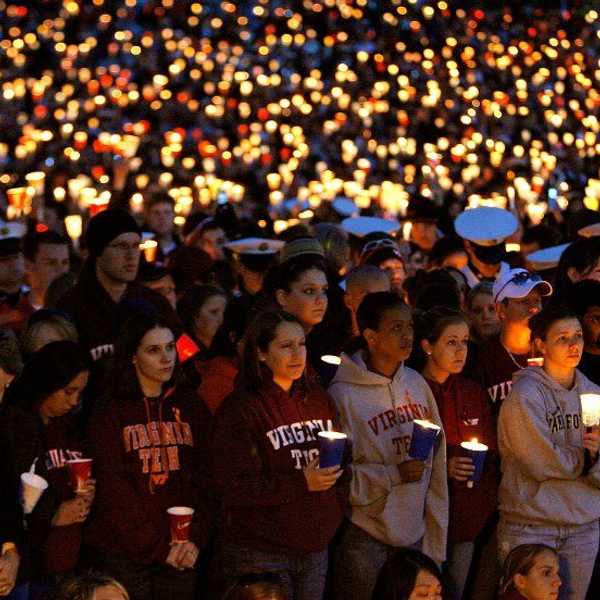
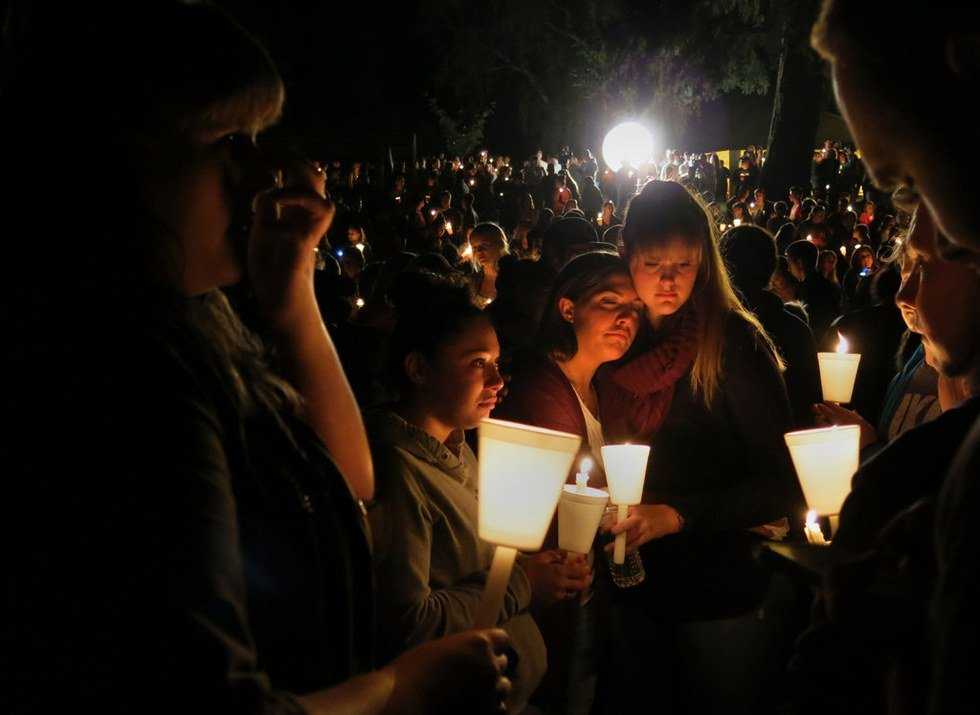
I was sitting in my room this week, home for family events, when my mom walked in and told me about the community college shootings in Oregon. This summer I woke up to an email in my inbox from my future school, the College of Charleston, saying there was a shooting close to campus the night before that left nine people dead. I was studying for winter exams my sophomore year when a teacher came into the library and told my peers and me that children as young as kindergarten age and teachers were killed in their school in Connecticut. A while before that, I was eating breakfast one Saturday morning in the summer when I heard a man killed several people in a movie theater the night before in Colorado. I can’t remember where I was when I heard a senator in Arizona and several others were shot at a public event. I’m only 18 years old, and I can name at least five separate times in my life when the world stopped for a minute as I got the news that somewhere, in my country, innocent people had lost their lives in the most senseless way possible. Now I ask: how much is too much? How many everyday, mundane moments will be shattered in an instant by the echoes of shots fired by a crazed gunman?
In his address on the shooting, President Obama stated that somehow, these tragedies have “become a routine," citing that we have them, seemingly, “every couple of months." His indignant tone reflects, at least I hope, the feelings of a great number of people in this country. President Obama also aptly pointed out that we are the only “advanced country” that today, continues to endure these tragedies. According to data found on a recent graph on the website for the Council on Foreign Relations, the United States has 88.8 guns per 100 people and 3.21 firearm homicides for every 100,000 people. On the other hand, the United Kingdom has 6.2 guns per person and only 0.07 firearm homicides per 100,000 people. That’s a stunning and starkly obvious difference that can be attributed to only one thing: the United State’s gun laws.
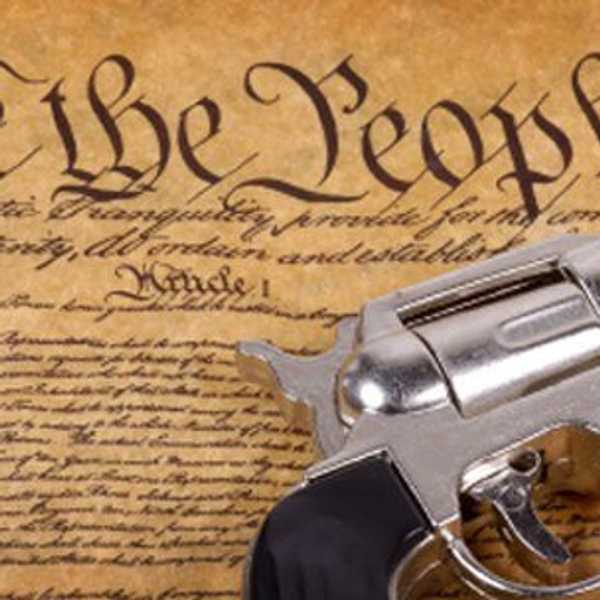
In the United States, the widespread possession of guns is not necessarily a bad thing. It's when guns are easily available to any buyer that the possibility for extreme gun violence comes about. This easy availability occurs due to a loophole in U.S. gun policy regarding background checks in gun purchases. While background checks are required in the sale of guns from licensed firearms dealers, gun show purchases do not adhere to this regulation. In fact according to the Coalition to Stop Gun Violence, 60 percent of guns are sold by licensed dealers, but the remaining 40 percent aren’t and, therefore, aren’t concerned with background checks. This loophole is arguably the reasons gun violence is so widespread in the United States, and will continue to be unless policy is changed to require universal background checks on all sales of guns. So, my message to you is this: if you believe in the need for universal background checks for all guns, shows support by signing online petitions or writing letters to your state representative or senator’s office.















