Don't get me wrong, technology is essential to the intellectual and recreational growth of mankind, but not when it assumes additional forms, ultimately making simpler technology obsolete.
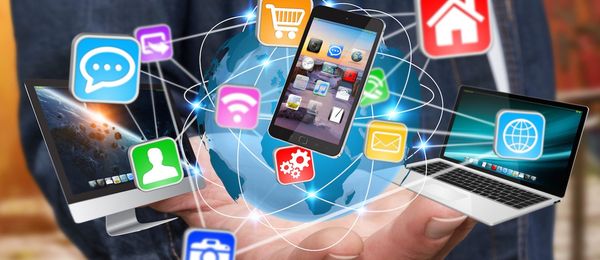
Since its creation, the smartphone has ultimately rendered calculators, compasses, AM/FM radios, newspapers, levels, watches, digital and film cameras, photo albums, steno pads, CD, cassette, and record players, calendars, mail, board, arcade, and console video games, television, movie theaters, pens and pencils, textbooks, index cards, dictionaries, encyclopedias, books, Post-It notes, road maps, flashlights, egg timers, landline telephones, alarm clocks, and a myriad of other things useless.
But life is more convenient because all of these things fit in the palm of our hands, right? Life is simpler now, right? We experience more because we have everything that's ever been recorded at our fingertips, right? Wrong.
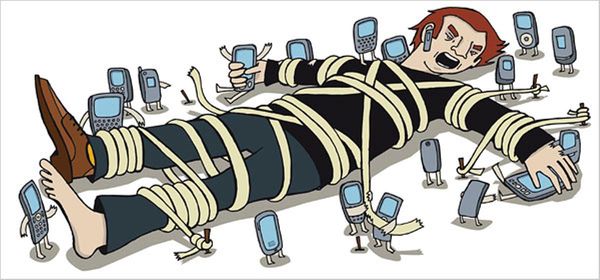
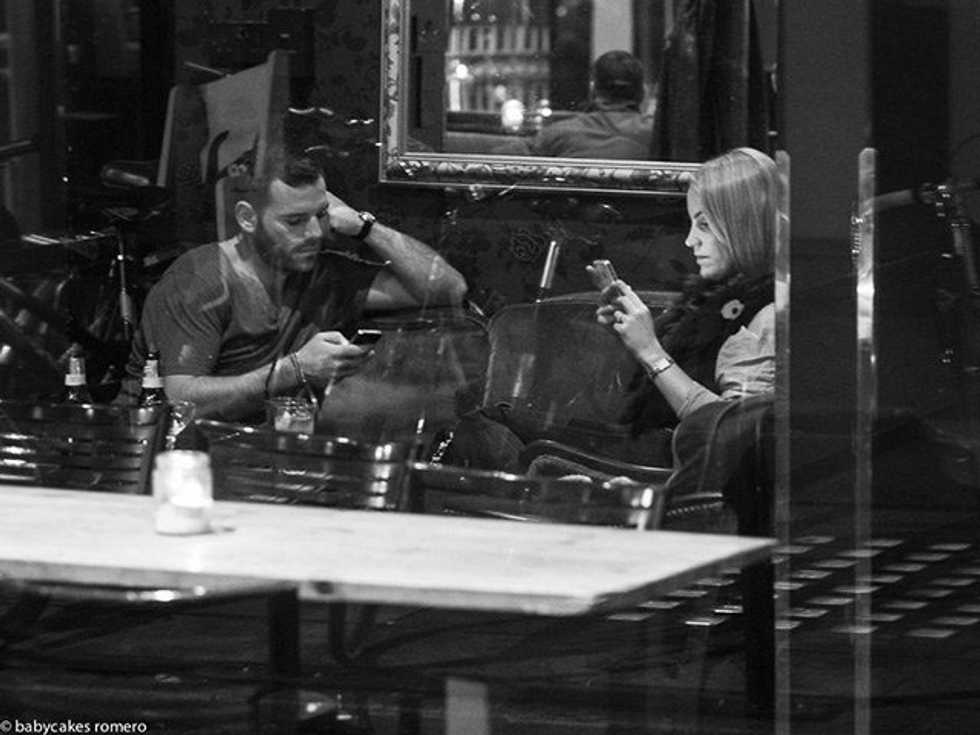
Most articles regarding technology simply whine about how people aren't as close with one another anymore, despite having everyone in existence a few taps away. These writers, however, neglect to analyze multifunctional technology's devastating impact on human existence. Because we've condensed so many devices and utensils into little rectangular bricks with bright screens and integrated them so deeply into our day-to-day lives, we're depriving ourselves of any real physical experiences.
Have you ever held a vinyl record, blown the dust off, and listened to pops and skips that hi-hat every song? Some have, as record players and vinyl are regaining their popularity, which can be attributed to record players being "vintage." What's actually great about record players, however, is that they were made to play records. That's it. Your phone was made to purposefully ignore calls and waste time on a million different apps. Yeah, MP3 players are a thing, but more times than not, they only provide background music for people's daily lives.
Regardless of whether or not you like that new Drake song, the music tends to fade and play under your conversations or serve as something to eliminate awkward silence, but it's no longer music at this point. Because you can't carry a record player around and listen to it, you're forced to slow down and make time for it. We take music for granted because of smartphones. Music transforms from something an artist spent countless hours creating to a few icons icons filling a playlist in digital space.
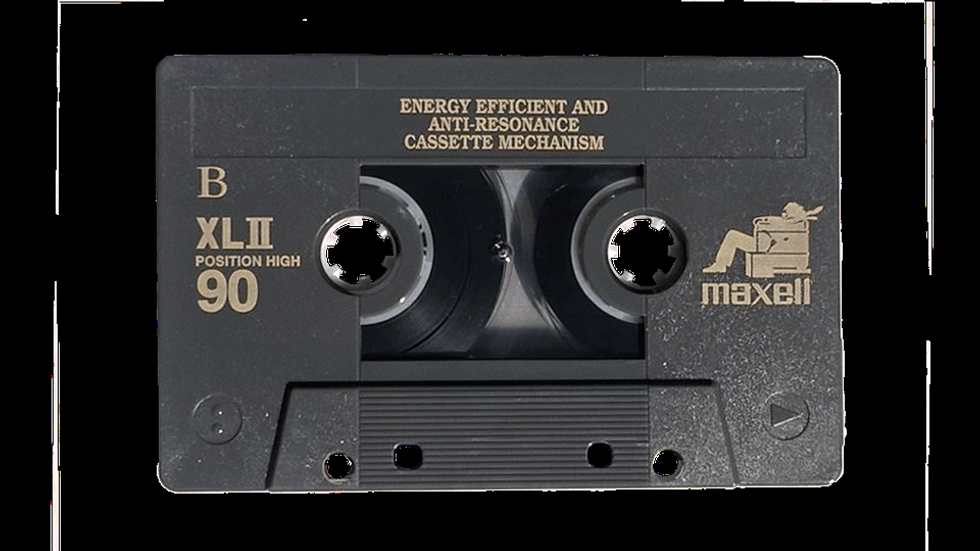
There's no magic in staring at a brick that can do anything you want it to. Ultimately, multifunctional technology has made us lazy and pathetically nostalgic, in the sense that simpler technology awe-strikes us when, perhaps, we've never seen it before. Some people have never held a cassette tape. Hell, I'm still rocking my mom's Maxell tape with '80s hair metal jams on both sides in my car.
And what about using notebooks for anything besides taking notes in a class with an anti-technology professor? Unheard of. The last time I saw someone writing in a notebook for pleasure was a few weeks ago at Way Cool Beans and then again two years before that on a water taxi in Baltimore's Inner Harbor.
Maybe I'm just not looking hard enough, but then again, maybe I shouldn't have to. Writing makes physical the ideas that aren't possible by any other means. It's also the simplest way to note complex thought. Texting is easier, though, right? In physically writing things down, there's no semi-transparent strip giving you one last glimpse at your textual voice before sending it to digital oblivion, never to be seen again, unless you scroll up 'cause you said something funny about memes.
On the page, your ideas are in full view, save the ones hidden beneath frustrated zig-zags, and are definitely more thought out than that text asking your bro, "Caf?" Plus, a small keyboard limits us. No, don't get a bigger keyboard, note your thoughts on the page, not in an app, where you can overextend cursive letters, doodle in the margins, and break off on arrow-directed tangents. A screen doesn't see power in individuality, but the page does. Keyboards were designed with everyone in mind and, sure, you can throw a skin behind the low-opacity letters, but several hundred other people'll have had it before you. Your thoughts in digital space don't mean as much as they do on a piece of paper torn out of a notebook just for you.
Too many people painting on the same canvas doesn't make art; it makes a mess.
The same goes for multifunctional technology. It tries to be so many things at once that its original purpose is lost. A record player plays records, a notebook is a book to make notes in, and a cell phone, well, is a mess.