

Recently there has been an uptick in female-led movies, which has, naturally, seen a correlated uptick in men complaining about female leads. Typically, female-led movies are written off as being “for girls” and, so, dismissed. The outrage comes from men who believe the media is for them to start in.
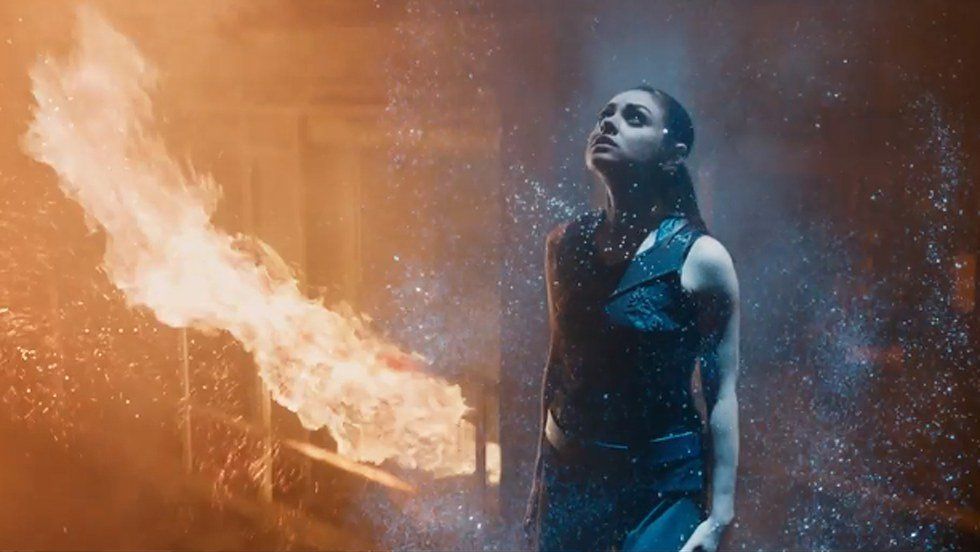
We saw it with “Jupiter Ascending,” when a film that was arguably just fine, instead, was branded as being horrible, some male critics saying they felt they had been tricked into watching a movie about a girl; they had thought albino space werewolf Channing Tatum would be the main character. Instead, it was secretly space royalty Mila Kunis.
We saw it with “The Force Awakens” as men who grew up pretending to be Luke Skywalker or Han Solo cried out against having “a girl Jedi,” ignoring the women on the Jedi Council in the original films and claimed that Rey’s various abilities and aptitudes are unrealistic, ignoring that she is a woman who grew up alone in a world where resources are scarce.
Of course, we saw it most recently with “Ghostbusters,” with comments being made about the injustice of taking a “classic” and replacing the men with women, and many complaints that the token male character is an unfair representation of men in general. The irony is apparently lost on these critics — the fact that this lampshades the “group of men and token woman” trope seems to miss them entirely.
Despite the loud negativity so often aimed at female leads, it is so important that we have these movies that are about women, that we have prominent and complex female characters being added to large franchises, because it gives girls of all ages role models — as a girl, one reaches a certain age where movies starring girls doing things and being real people that are marketed towards your demographic become scarcer and scarcer. So many movies are male-centric and so many sexualize the women that are present that it’s disheartening sometimes to realize, “I just want a movie about a girl kicking butt that isn’t also about showing how sexy she is while doing it” is such a tall order.
Male characters get to be presented as fierce without needing the camera to pan over their legs during a slow-motion kick. Male characters get to be shown as beaten up and dirt covered and blood smeared. Female characters, though, are so often only allowed a little blood or dirt, never ruined makeup or a disastrous nosebleed or a black eye, always made-up prettily, with sensuality equated to power because she is “weaponizing her femininity.” She uses elegant, small weapons.
This is why it’s so important that Jupiter Jones uses an improvised weapon to beat her antagonist, that she stands over him and is not sexualized in her victory as she delivers her wham line and wins the day. This is why it’s so important that Rey is drenched in sweat as she battles Kylo Ren and wears such an intense expression. This is why it’s so important that “female Ghostbuster costume” can’t refer to a miniskirt and high heels anymore.
Women have stories to tell, just like men do, and women deserve the chance to tell them just as fiercely.
















