

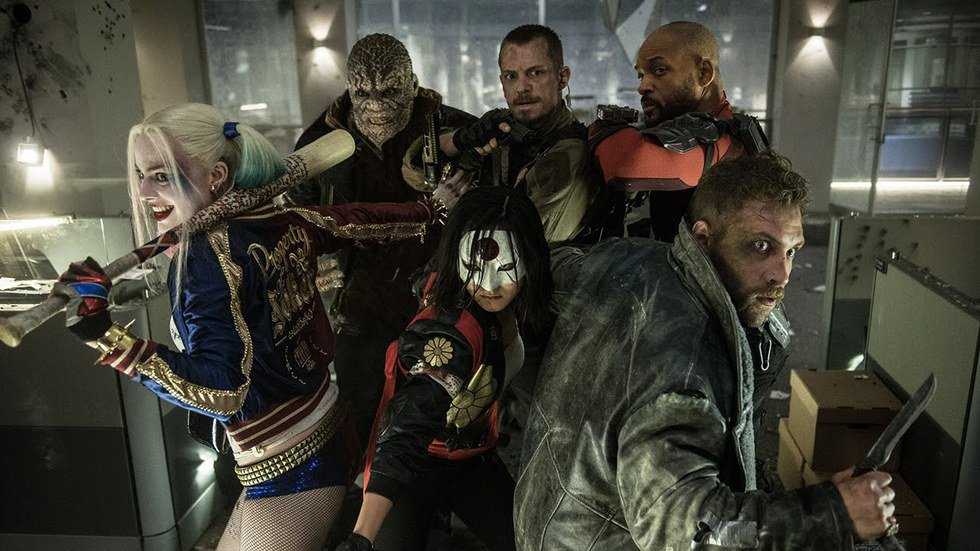
Recently, I watched Suicide Squad in theaters, and I have to say I’m disappointed in DC Comics. The movie boasted an almost $200-million-dollar budget and Hollywood heavyweights such as Viola Davis, Will Smith, Margot Robbie, and Jared Leto…and for all of that that, it still proved to be a poorly written, poorly edited, and undirected mess. Flashy CGI and misplaced monologues cannot save a movie from lacking an imaginative or well-written story, even if its actors are the best in the business. The biggest issue is…Suicide Squad was bad, but not exceptionally bad. This entire summer has been chock full of sub-par to just plain horrible films. Worse still, regardless of the quality of the film this year, virtually every single title in theaters is a remake, sequel, or pulled from some existing media. Hollywood has gone from not wanting to invest in new material to not funding the craft of cinema at all. I’m scared that if this trend continues I won’t have much reason to go into theaters for the conceive bale future.
From an economic standpoint, it makes sense to invest as little as possible if you can still expect a significant return on investment. As movies have become more expensive to make, the risk taken on by production companies has risen. New CGI, FX, and post-production work that directors have used to polish films are costly, and I get that that means studios must be more judicious with their gambles. Additionally, movies are an art, not a science; there’s no telling if all of the money a company is spending will actually help to make a good movie. All of this does not excuse the fact that Hollywood has eschewed the any artistic responsibility in moviemaking, simply because they can.
Studios have realized that the quality of their films does matter as long as they are using a beloved property. Suicide Squad, for all of its faults, is a guaranteed hit at the box office. The same goes for any film made by DC Comics, Marvel, Disney, Pixar, and most of 20th Century Fox’s properties. Production companies would love to create the next Dark Knight every time they drop a superhero film, but realistically they are only looking for a decent profit. This is why Batman vs. Superman was declared a success by DC even after it was lambasted as poor by critics. It does not matter to these companies if the film is artistically poor so long as it is an economic success. This is why production companies find it acceptable to make endless remakes and sequels while barring original and innovative directors and screenwriters from the development room.
Because of their unoriginality and lack of innovation, I also doubt that any of these films are going to be remembered long after their merchandise is off the shelves. When that happens, I assume the movies will be remade again, purely as profit drivers for the company. New stories, innovative writers, and talented actors and directors are how you make classics. If George Lucas, Steven Spielberg, Orson Welles, or Stanley Kubrick were starting their careers today, I doubt that they would be able to get their projects to theaters. We don’t know what today’s directors are capable of because they are, at best, only allowed to work on stories that have been told for the past half century.
I would like to think that the industry can only take so many sub-par remakes before it finally crashes, but despite low ratings from professional film critics, praise for these movies remains high among movie goers. Even if people secretly find the deteriorating quality of summer blockbusters as depressing as I do, we all still watch these films and ensure the film studios will turn a profit. Until people care enough about the quality of their films to reject high-budget, low quality films like the majority of 2016’s summer blockbusters, we the era of poor filmmaking will continue. We, the moviegoers, will only have ourselves to blame when production companies finally stop investing in story at all, recycling old scripts with new FX and CGI until the movie theaters close down for good.

















