


Every college student knows the struggle of having a lot of homework to do in a very little amount of time, but no one knows the struggle like a student athlete. Along with all of the homework and activities that come with being a college student, athletes have an extra 20+ hours to work into their schedule. They have to work around practice, lift, and competition. Many student athletes, as a result of their busy schedules, can add "excellent time management skills" to their resume, because they have had practice in just that since middle school. Here are a few tips from actual college athletes on how to better manage your time, no matter how much you have.
1. Get it done.
I have heard countless times about how late friends of mine were up studying, even in high school. It never made sense to me, because while they got home at 3 p.m. after school, I got home at 7 p.m. and was still able to get my work done in a decent amount of time. It left me thinking, what could they possibly be doing in all that time that it took them that long to do their work? Odds are, they were watching TV or doing things in-between every problem of their math homework. If you just sit down and do the work, it will be over much faster and you will have so much more time afterwards to do whatever else it is you feel the need to do in the middle of your work (if you really need to do it that bad).
2. Don't wait until the last minute.
As much of a cliche as this is, It's so true. No one wants to write a ten-page paper in one night. Even if you just do all the research beforehand, it will make the writing so much easier. It is definitely easier said than done, but if you do something in small increments of time it will make it seem a lot easier.
3. Know what you have to do ahead of time
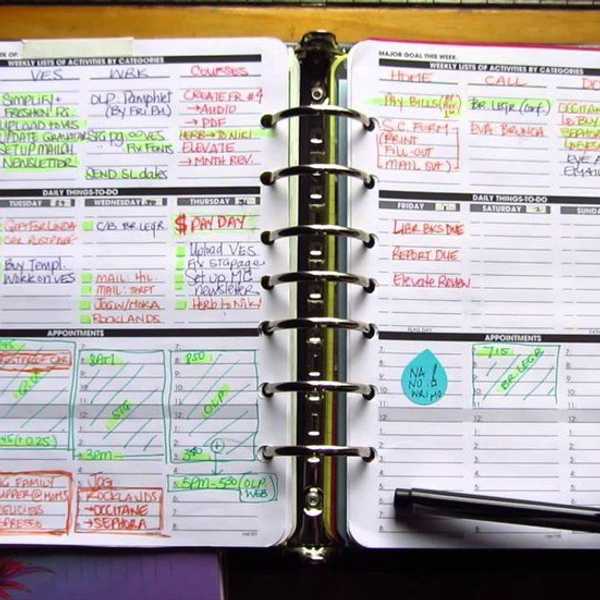
If you have to write it all on one big calendar, that's great! but if you know what all you have to do, you can decide when you have to do everything to make it easier on yourself. Also, knowing when things are do is a plus, because it sucks to not know something is due and rush to get it done. Making a list is also helpful, not only will this help you know what you have to do, but you will be incentivized to check off everything you've done.
4. Don't try to work for 12 hours straight, and don't pull all-nighters.
Eventually, your brain is just going to stop working. It's better to study some and sleep the night before a test than to stay up all night studying. After a certain point, the rest is going to be more beneficial. Also, don't try to work 12 hours straight. Do one thing, or work on something for a little while, and then take a break. your brain isn't made to work like that.
5. Don't try to do everything at once.
This is another perk of scheduling out your tasks. If you try to do everything at once, you're just going to get overwhelmed. If you have three papers due, don't do all of them at one time. Also, don't try to watch your favorite TV show and do laundry all while you are trying to get work done. It will only distract you from the task at hand.















