Remember when Jesus rose from the dead and it was, like, really cool, because who just dies and comes back to life three days later? And it was a pretty big deal because it was only him, you know? If it was, like, Jesus and his 30 other disciples that died and then all started coming back to life every couple weeks, wouldn’t it lose its shine?
By the time Disciple 24 rose from the dead, I would be like, "OK, cool, can’t wait for Disciple 25 next week." And Jesus would just be one of 30 risen-from-the dead dudes, and it would feel less like a religious miracle and more like an episode of "The Walking Dead."
If you haven’t grasped the meaning of my poorly-constructed metaphor, here’s the gist: some things are meant to stay dead. I’m talking about the recent and somewhat frequent habit Netflix (and other networks) have of rebooting old TV shows like "Full House," "Gilmore Girls," "The X-files," "Heroes," etc.
Maybe I’m the minority in this belief, the cynic that can’t just be happy and accept something good when it’s given to me. But sometimes things end for a reason. Why can’t we just let them rest in peace?
TV show revivals usually serve two purposes: One, it's a sure way to make money and two, it's a shortcut in creativity. These networks are basically cashing in on fan nostalgia. Though it’s harsh, it’s usually true.
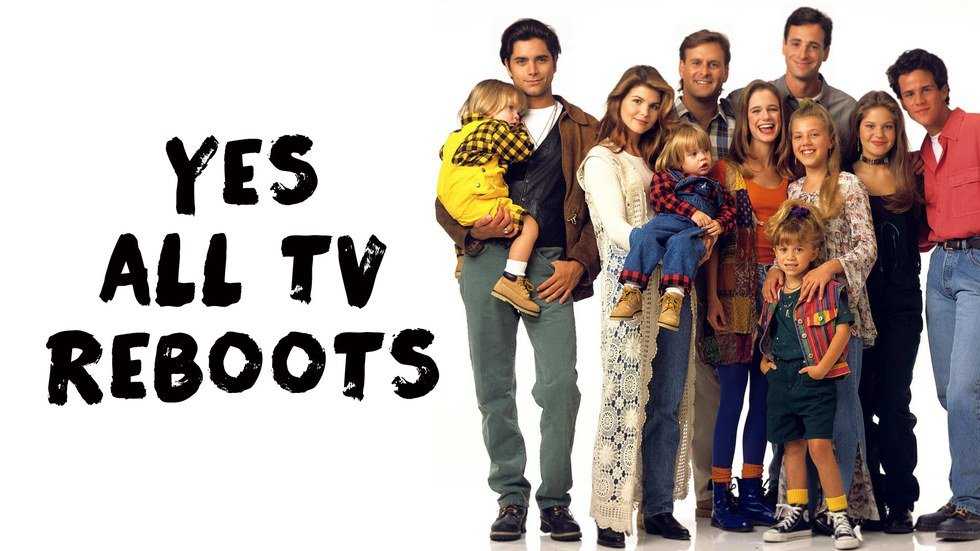
Take "Fuller House," for example. It was a popular show, still in syndication with fans of all ages, and as soon as the revival was announced, everyone got so excited. No one could shut up about it. There were clips all over Facebook, rumors flying about the scandalous Olsen twins refusing to return and a lot of social media traction and articles following the entire thing.
But the thing that made "Fuller House" so easy for Netflix (and the show’s creators) to do was that every character was already established in the previous series. Not to mention, the whole plot of the new show was the exact same as the last: Recent widow with kids moves in with her sister and her crazy best friend. Chaos ensues. *Laugh track* It took all of my strength to watch the first five minutes of the first episode without exiting out, though I was cringing the whole time.
Not all reboots are bad. I understand why Netflix and other TV networks do them. It’s for the fans (and the viewership and the money). People take cancellations of their favorite TV shows really personally.
When I talked to my roommate about this she said, “Oh yeah, have you ever met people that liked 'Firefly'? They’re pretty bitter.” And I know that I have yet to let go of the grudge I held against FOX for cancelling "Arrested Development" back in 2005. But "Arrested Development" was actually one of the first shows Netflix revived, back in 2013 and when I first heard about it I was so excited. And then I watched it and I was so let down.
That’s how most TV show reboots go. Fifty percent of the fans are super pumped and will love it, no matter what, while the other half maintains high expectations, so they watch the new season through an ultra-critical lens and end up hating it. I’m usually the latter.
Despite my contempt, it doesn’t seem like this fad of TV series reboots is going to stop anytime soon. I read about a month ago that they’re going to bring back "Prison Break" next year, which is crazy to me because how many times can that group of convict characters break out? I mean, they’ve already escaped from two different prisons. Wouldn’t a third be a little far-fetched? And didn’t the main character die? (Sorry, spoiler alert.) But how are they going to explain that one?
In conclusion, can we all just stop? Let’s just create new shows with rich characters, unique plots and story lines that last just long enough, but end in such a way that gives fans enough closure to never warrant the need for a reboot.