

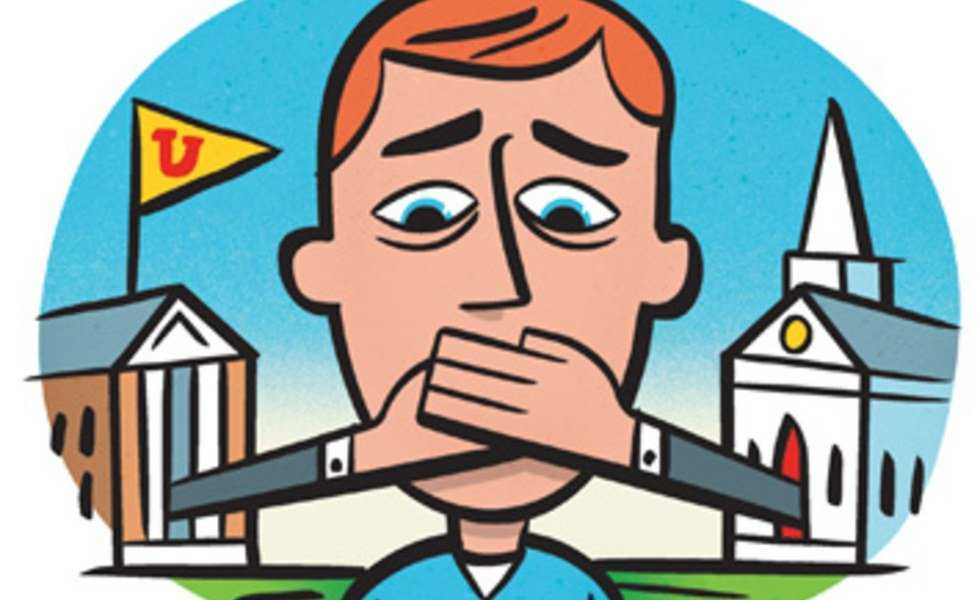
A few weeks ago, Dr. Everett Piper, the residing president of Oklahoma Wesleyan University, issued an open letter that addressed the rise in awareness of political correctness across campuses. In his letter, he called out college students, saying that “any time their feelings are hurt, they are the victims. Anyone who dares challenge them and, thus, makes them “feel bad” about themselves, is a “hater,” a “bigot,” an “oppressor,” and a “victimizer.” College campuses across the nation burst with passion over politics, racism, abortion, and other social issues; moreover, many students will often find themselves overthinking what they’re going to say next, or even hesitating to challenge the other students who over-emphasize the importance of being politically correct. From Piper’s perspective, the need to always be politically correct has gone too far— and frankly, he is right.
Now, is Piper saying that people should say racist or culturally offensive remarks? Absolutely not. He is saying that we as students need to grow up and accept the fact that we will always be placed in uncomfortable situations, situations that challenge us to determine what is right and wrong; moreover, that we need to stop feeling like targets every time a comment, picture, or video makes us feel bad, or the seemingly more popular term, “victimized”. Although the context of Piper’s letter was religious, he still highlighted that perhaps we are supposed to feel bad, and that there is nothing wrong with feeling bad— and yet, our generation has become so coddled and sheltered from the “big bad world” that anything and everything that causes us discomfort is a detriment to our personal well-being. Piper thinks this is nonsense, and he is not alone: according to an article from the Parents section of “Today,” even comedians like Jerry Seinfeld and Chris Rock have ceased to perform on college campuses because of their overbearing politically correct environments. Even President Obama stated at a speech earlier last month that students should not be “coddled” or “protected from different points of view.” While it is important to be politically (and generally) aware of our cultural surroundings, it has reached a point where many students feel too entitled when they are offended in the slightest.
Our world is full of racism, bigotry, sexism—you name it. Always striving to say the “exact” right thing for fear of hurting someone’s feelings is, in actuality, worsening all these issues that plague society. It is healthy and beneficial to be exposed to different perspectives, even ones with which we may not agree or take offense. Right now, especially in college, is the time to be exposed to all the cruelties of the world and decide whether or not we will take a stand to end them. It is not the time, however, to be careful of every word we say for fear of being judged or scolded. Though that doesn’t deem being racist of culturally offensive as okay, it does mean that it is okay if we get hurt. Piper concluded in his letter that “OKWU is not a ‘safe place’, but rather, a place to learn: and we are here to learn, not only about ourselves but also about others.
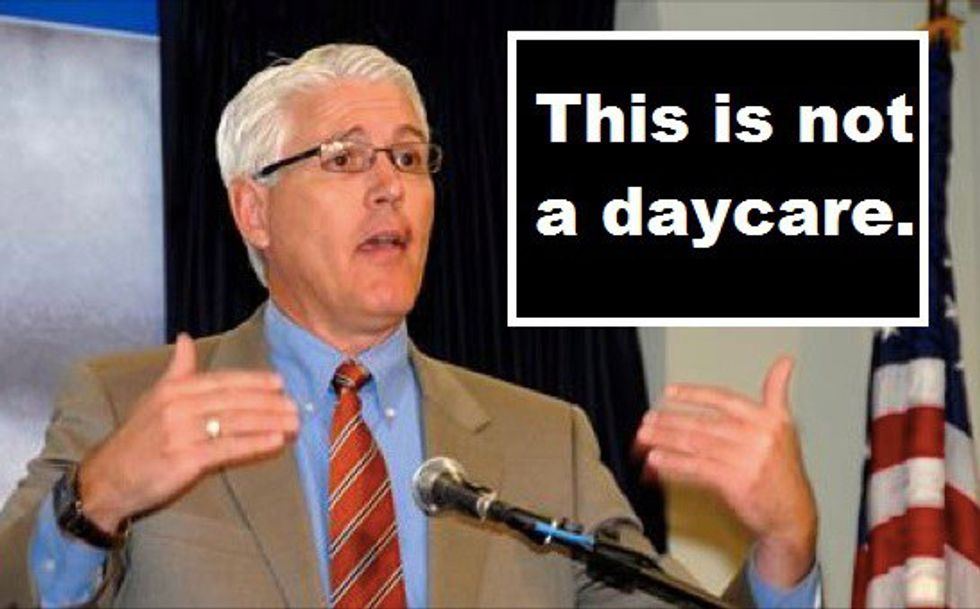
Piper’s most resonating statement from his letter is that a “[university] is not a daycare.” Though this statement has upset many parents, students, and general people across the nation, it is the harsh reality of a higher education: we are not attending university to be served with silver platters or be spoon-fed our knowledge; rather, we are here to address our issues and the issues of others, and with that will come discomfort, tension, and disagreement. We will soon be out in the real world, where our feelings our bound to be hurt, where we are bound to be “victimized”. Now is the time to stop being so careful, and jump into the troubled waters of the world so that we may resurface as more intelligent, more conscious, and more aware human beings who have known pain, and from that pain became even stronger.
















