

" Star Wars: The Force Awakens" has been the most anticipated film of 2015. The movie made over $100 million in pre-sold tickets just in North America. There is no doubt that the seventh installment of Star Wars will break records.
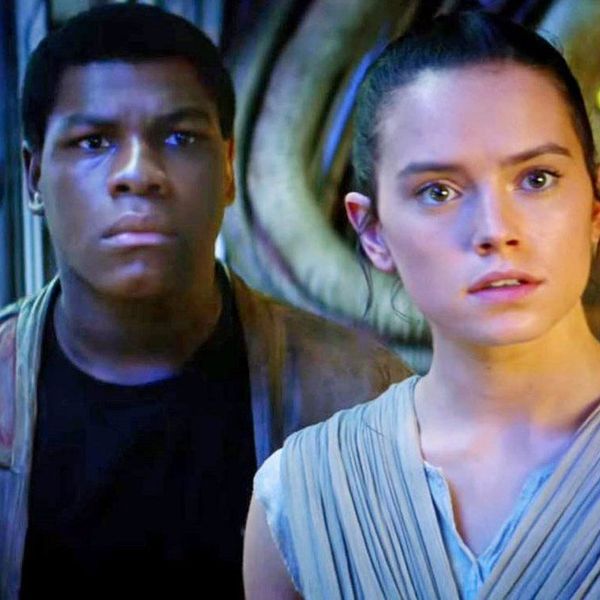
The highly anticipated film, directed by JJ Abrams, has also set out to add more diversity to the franchise. New characters such as Finn, Rey, Poe and Captain Phasma provide diverse audiences with diverse characters. These characters help address the lack of racial and gender diversity in the first six films of the saga.
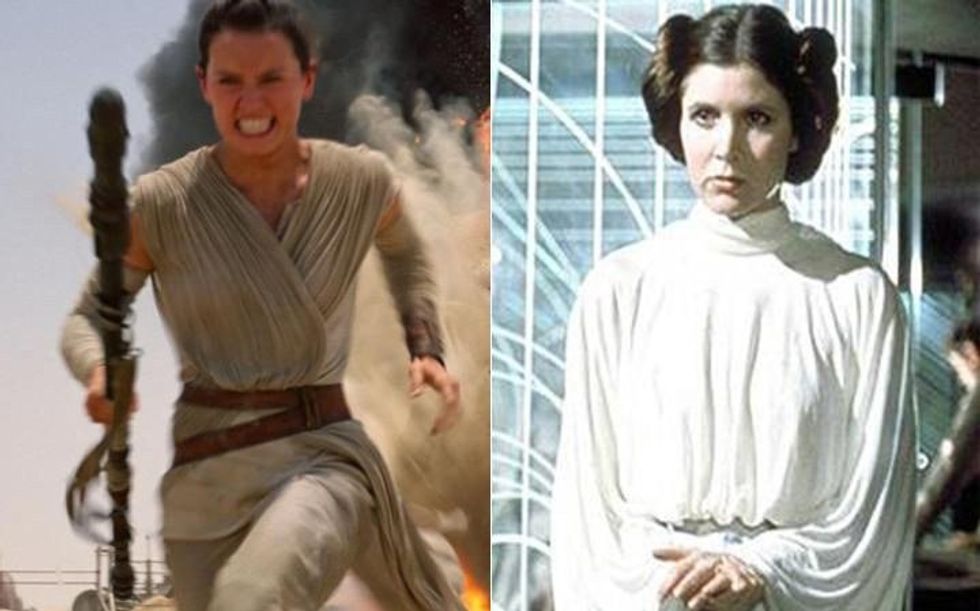
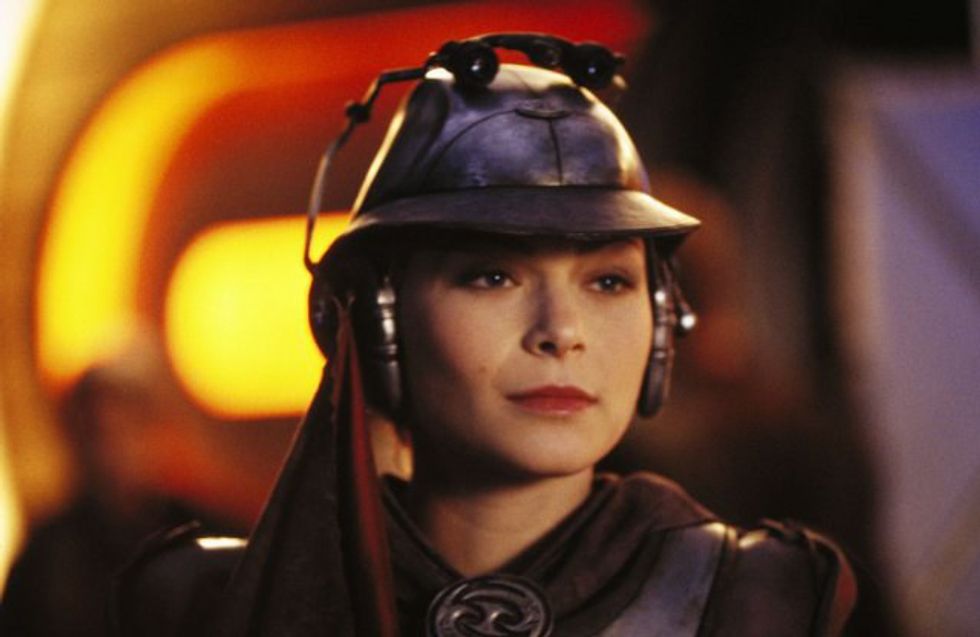
Perhaps the most notable change to the franchise is the stronger presence of female characters. In the original trilogy, out of the 386 minutes of runtime, only 63 seconds are female lines (not including Princess Leia's). The prequels to the original trilogy introduced female characters such as Padme, Shmi Skywalker, and Zam but still failed to provide a female lead hero.
On the other hand, "The Force Awakens" is the first Star Wars film to pass the Bechdel Test. The Bechdel test, created by Alison Bechdel, asks whether a work of fiction features, at least, two women who talk to each other about something other than a man. In addition, both characters must be named. This type of conversation occurs more than once in "The Force Awakens" but the first one happens between Rey and Maz Kanata early on in the movies plot.
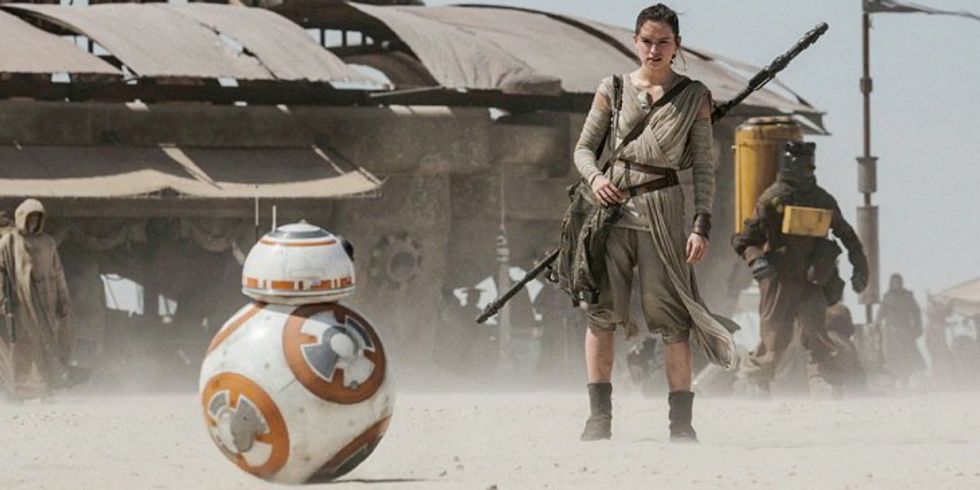
Four of the film's characters help "The Force Awakens" achieve a strong female presence. Rey, portrayed by Daisy Ridley, is the film's lead hero. The strong, independent pilot can fight for herself. This is shown earlier on in the film when the character of Finn tries to come to her rescue but is clearly unneeded. The film utilizes her strength and independence to provide humor as well.
Captain Phasma, while a minor character, provides a woman in power on the dark side. She provides the first glimpse at a possibility for a female villain in the franchise. Maz Kanata, played by Lupito N'yongo, is practically the female version of Yoda for this new story. She proves to be incredibly wise and provides the first conversation that passes the Bechdel test.
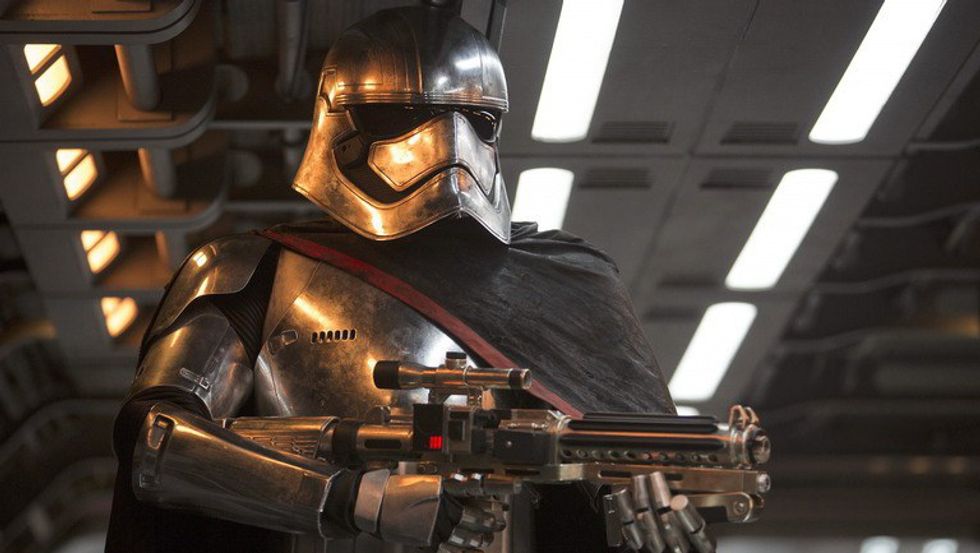
These characters successfully give female (and male) audiences more characters to relate to. Despite providing a stronger female presence, its tone and themes are not overly feminist. These characters exist in a very natural way. Ridley said, "Rey doesn't have to embody a woman in a film. And for me, she's not important because she's a woman. She's just important. It just so happens that she's a woman. She's going to speak to men and women, too."
Where the Star Wars franchise is still lacking female representation is behind the camera. No woman has ever directed a Star Wars film and only one woman has ever written for one of the movies. This is something Lucasfilm is hoping to work on in the future in order to provide more perspective to the series. Check out the video link below to see how Lucasfilm is going to improve the lack of female writers.

Check this out: Guess we have to wait till 2019!
While most are excited to see where the future of the franchise's new characters is headed, it is also exciting to see how the Star Wars world may change behind the camera.
What do you think? Does "The Force Awakens" provide more female representation? Are you excited to see a female writer for the franchise?


















