As of 2010, only 48.8 percent of the women in Zimbabwe achieved a secondary school diploma. In a world where education is key, this data seems unfathomable. Everyday, more and more is being learned through research, whether it be in the field of medicine, physics, history or art. There is so much that we still have to learn.
There are almost 13 million people in the country of Zimbabwe and approximately half of them are women; this means that less than three million women in Zimbabwe have received a secondary school education. When you look at this statistic, you may think, "But three million women is a lot of women." However, when you compare this data to the figures of a country with high literacy levels like the United States -- where there are approximately 318 million people and approximately half are women -- that number seems immensely small.
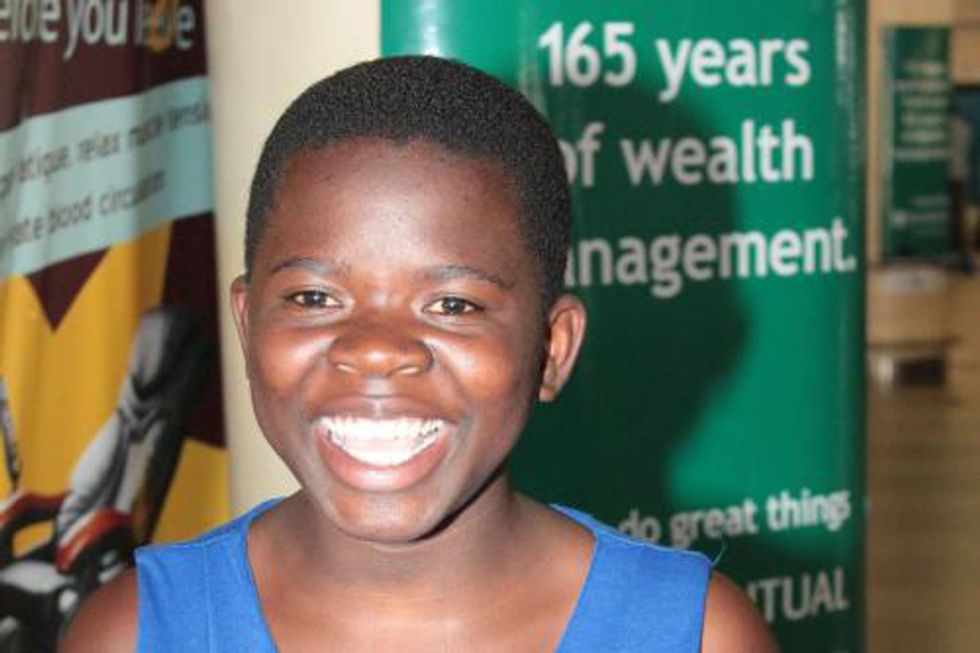
This is a problem in many countries all over the world, but I am going to focus on Zimbabwe for the sake of this article. There is a girl in Zimbabwe named Maud Chifamba. She was born into poverty, like many are in Zimbabwe. Maud knew that education had an important role in her life, so she would walk many miles to get to school everyday. It did not matter what the weather was, she walked, in rain or shine, to school every day across roads that had been beaten down over time by weather and wear.
As Maud Chifamba grew older, she realized the importance of education; she thought of how odd it was that women did not have an equal opportunity to learn as men did. At the age of 14, she eventually became the youngest female to ever study at the university in Zimbabwe. She was named one of the most influential young women of Africa by Forbes in 2012. In a world where there are over seven billion people, it is quite amazing that a humble 14-year-old girl was placed fifth on that list.
If there are women of this level of intelligence living in a country like Zimbabwe where they do not have the same opportunity of compulsory education, then how do we know that we aren't missing something or someone important? Young women, like Maud, could find the cure to cancer one day, but if they lack the education necessary to get where they need to be, then how can they live up to their potential?
This is why we have women like Maud Chifamba who create petitions to make women's education a top priority for the United Nations. Her petition can be signed by anyone here. With the help of people from all around the globe, we can make sure that women receive the education that they need by taking action like Maud. We must all take action in order to improve our imperfect world.