Okay, my ex definitely wants me back. I know it. He just tweeted that he's thinking about the past, so obviously that means he's been thinking about me. Yeah, he might have blocked me, but I went onto my best friend's account and saw the tweet. I should be expecting his text any day now!
This is a joke because obviously I would "never" stalk my ex. It's clear that social media has had a drastic effect on the way we perceive things. Today's generation will see someone "subtweet" something and automatically jump to outrageous conclusions. Just because a girl that you hate tweeted "Halter tops are so ugly," and you wore a halter a few nights ago, doesn't necessarily mean that she's starting a twitter war with you!
Our generation has the magical talent of taking any post on social media, no matter how insignificant, and turning it into something more. We've started caring more about who's unfollowed us on Instagram, or blocked us on Facebook, than things that actually matter. We also have the ability to see something online and automatically "know" that it's about us. You then run through every reason in your head of why you think it's about you and how you should respond (even though you rarely do.)
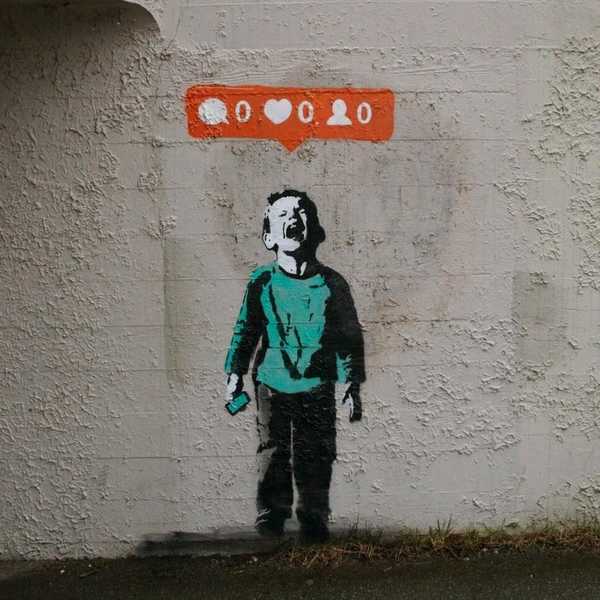
Someone tweeting negatively isn't the only thing social media has caused us to skew. It also gives us false hope. When someone likes our photo, or favorites our tweet, we make things up in our minds. Yes, sometimes these things are a form of flirting, but more times than not, we are disappointed when the "like" isn't followed up by a message. Before social media you had to actually approach someone to let them know you were interested. Now there's too many confusing rules about flirting via social media that we often miss out on something because you weren't sure if he favorited your tweet because you're cute or because he actually likes Fetty Wap too.
Social media has changed the rules. You'll find today's youth over analyzing every post they make even though the posts have already been spell checked, filtered, and edited. Today it's nearly impossible to know what someone really looks like when they mask themselves online with filters. Unfortunately, the day will come when we realize that we can't put a filter on real life (or our personalities) and we're going to have to come to terms with the fact that we are not always the same person we portray online. Our lives are not as glamorous, our vacations are not as sunny and our friends are not always that perfect. You'll see people over analyzing every picture, thinking "how many likes will this get?" or "should I blur out my thighs?". By the time that photo hits the web it's already been sent to seven different group chats asking if it's good enough to put on the gram. The caption has to be perfect and trendy and that alone takes hours to get just right. And then if the photo doesn't get enough likes in the first four minutes you just have to delete it and re-post it when it's a more "prime Instagram time." Instagram timing and the number of comments and likes matters more to our generation than going out and living life. You worry so much about making your life look fun and interesting on the web that you actually forget to be fun and interesting.
I'm guilty of most of these things as well, but I recognize the impact that social media has on my life, negative or positive. I am rethinking my internet habits and consciously making the effort to not care as much what other people think. The moral of this story is, if we are letting social media dictate so many aspects of our lives now, I can't imagine how it will control our children and our children's children. We should learn to appreciate the real world around us just as much as we love and obsess over social media...before it's too late!