


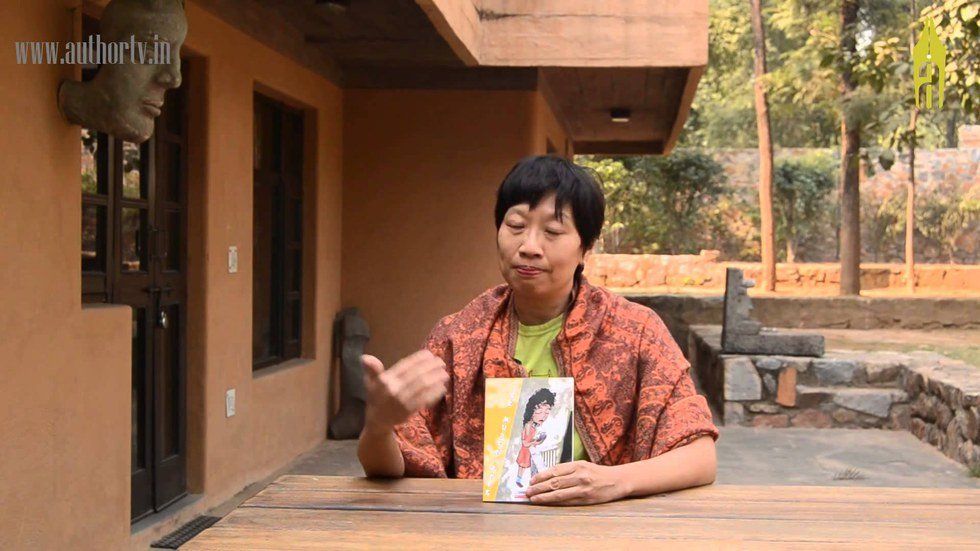
On Thursday, September 28th, a group of Singaporean authors, Alfian Sa’at, Jason Wee, Jeremy Tiang, and Ovidia Yu came to visit Adelphi to discuss the emergence of hybrid literature in Singapore. In other words, poetry and prose blending with visual art, or poetry and prose blending together. Additionally, they discussed the emergence of Senglish, a combination of Singaporean and English.
I think it is important for Adelphi to have speakers from other countries to come and visit because it raises global and cultural awareness. Part of why I was really excited for this event was that foreign authors from Singapore were going to speak, and I love reading short stories from other countries for my Fiction Writing class. It helps me learn fro a different cultural perspective.
Obviously, I learned about how Singaporean culture differs from that of America. I found it funny how the authors mentioned that many Singaporeans have the conception that all Americans are rich, when they are in fact experiencing economic trouble. I was also surprised that many Singaporeans knew English and would consider mixing English and Singaporean language into their poetry and prose. When one of the authors discussed their poetry, I found it interesting how he had numbered lyrics because it made me think about verse poetry by English Renaissance poets such as Shakespeare and Donne. Their lyrics were numbered as well.
I found it very inspiring when the authors discussed the merging between visual art and writing because both forms of creative arts tell a story. Hence, that is why including artwork with poetry is so powerful because poetic lyrics alone create imagery.
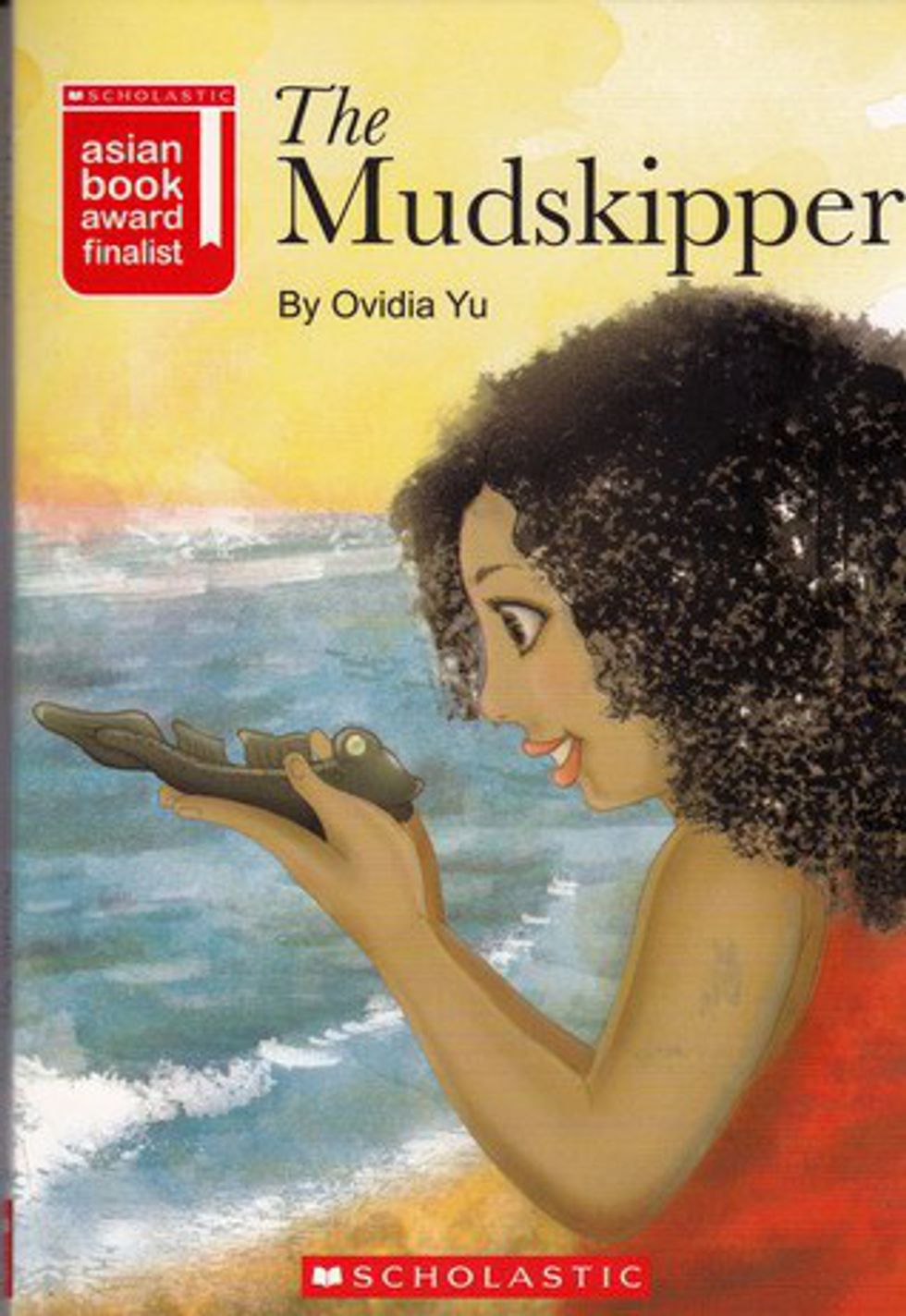
My favourite part of the event was when author Ovidia Yu discussed how important it was to her to pay attention to setting and location while writing her children’s novel, The Mudskipper. Yu also stated that she applied poetic styles when creating images of location in the novel. It was so nice of her to give me a copy of The Mudskipper. I am very excited to read it. I was surprised to hear that children’s literature was not very common in Singapore, so that adds to my interest in reading this novel.
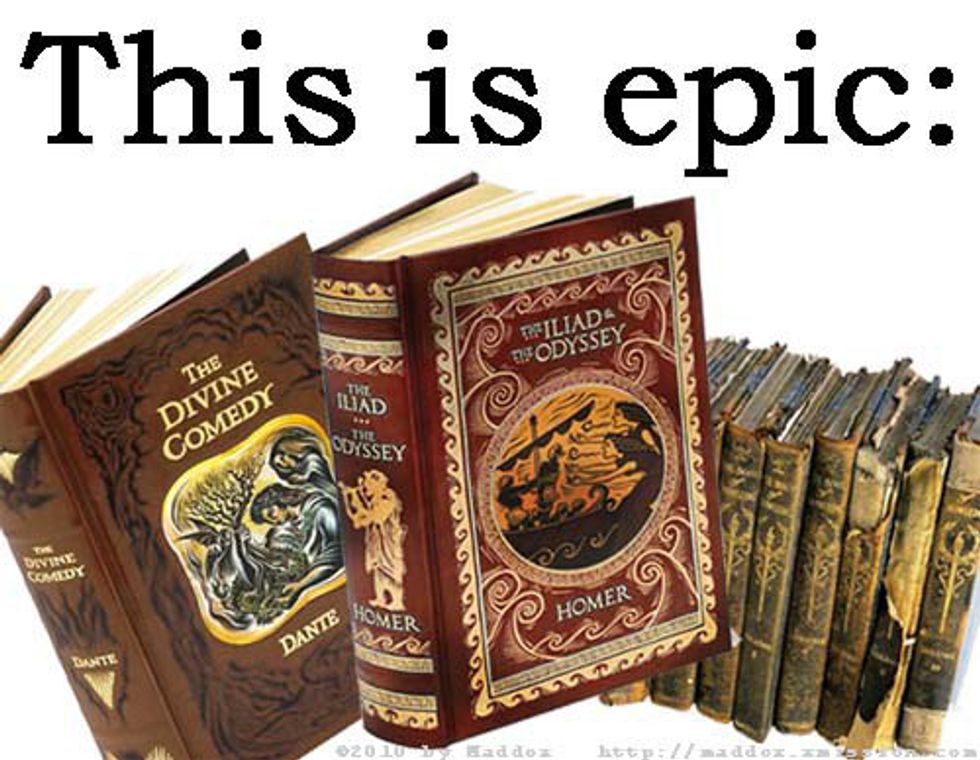
Moreover, I believe hybrid literature has existed for many years but has been overlooked by authors and literary critics. After all, there are narrative poems from around the world including but not limited to The Iliad, The Odyssey, The Divine Comedy, The Canterbury Tales, and Paradise Lost. These epic poems, like complex novels, feature complex stories and characters. Simply stated, these are fictional stories written in poetic form. Additionally, many Medieval Icelandic Sagas such as The Prose Edda and Saga of the Volsungs are written in prosimetric form. There are even novels that are not intended to be narrative poems that have poetic language and structure (i.e., Jane Eyre, The Mill on the Floss). As for hybrids of poetry and drama, verse drama was very popular from Ancient Greece to the English Renaissance and Restoration periods. Even late 19th-century Norwegian playwright Henrik Ibsen wrote verse drama.
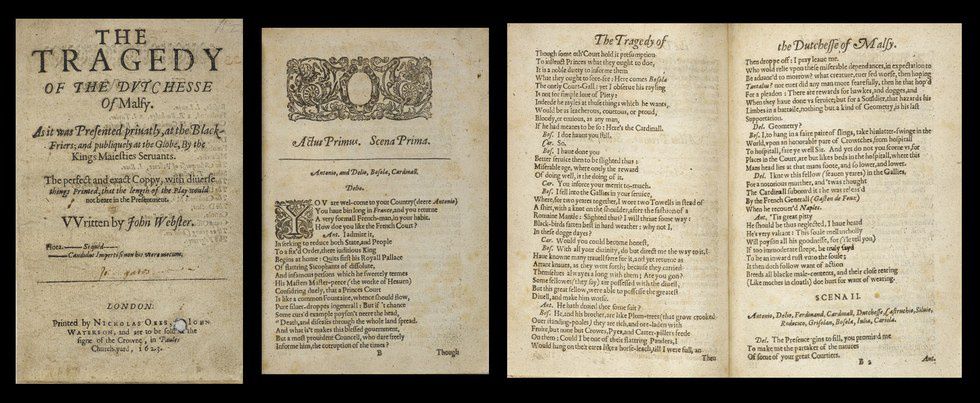
Overall, from listening to the visiting Singaporean authors, I learned that not only can different literary genres and languages blend together, but also writing styles from different time periods and geographical locations.















