

The Zika virus broke onto the scene in 2015 shrouded in mystery. Unlike the Ebola virus, Zika had no Outbreak or The Hot Zone or other similar piece of feverish (bad pun intended) quasi-scientific nineties media with which we could familiarize ourselves. I had just completed a course on virology and was deeply discouraged to know that Zika was not perhaps an 18-year-old former Disney star I had missed, but rather something entirely new. To me, anyway.
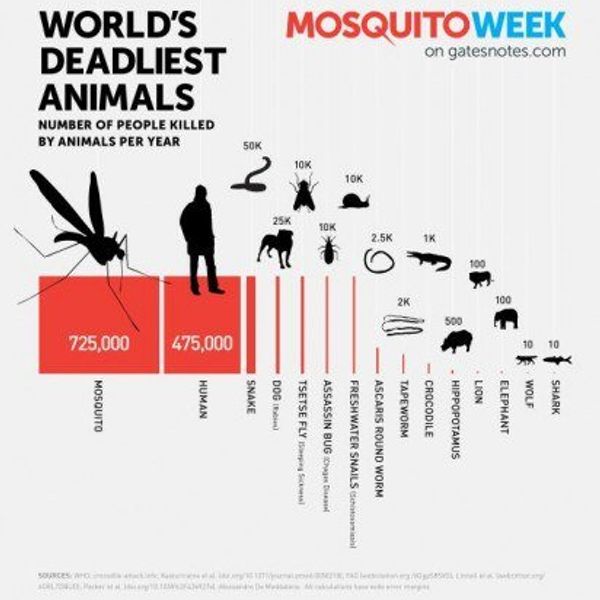
In fact, Zika has been known to humans since 1947, named for the Zika Forest in Uganda, where it was first isolated. It is a flavivirus, like yellow fever (flavus being Latin for yellow; where we get our “flaxen”) and dengue, also known charmingly as “break bone fever.” Like those two bruisers, it is transmitted by the Aedes mosquito. Like dengue, Zika typically presents itself with a red rash, red eyes, fever, headaches, and joint pain. I suppose it had not been included in my education with its more popular cousins because until recently, it was confined to a narrow equatorial strip and it appeared that most people were immune.
Well, you can bet next year’s class will have to know it. The rash and joint pain of the virus aren’t fun, sure, but the effects on fetuses are much more serious. While it may seem unappealing to the more vaginally squeamish among us, the microcephaly seen in babies with Zika-infected mothers has serious implications for their futures. Microcephaly, or a small head, is linked to a shorter life expectancy and reduced mental functioning. It is a terrifying outcome for the women in countries like Brazil and Columbia, where Zika is exploding and contraceptives and abortion strictly circumscribed, and has created hundreds of tiny personal and financial tragedies. New studies are suggesting that only a small percentage of women who are pregnant with Zika will transmit it to their babies, but considering that many women give up sushi and coffee and wine for those precious babies, Zika is rubbing salt in the wound. Zika has also been linked to Guillan-Barré syndrome, a paralysis for which we generally have good treatment.
So, you may be asking, how can I avoid this disease? And is it true that I can get it from sex? Well, so far there have been no locally-acquired cases of Zika in the United States. That is predicted to change. In particular, my fellow New Orleanians and other comrades of the Southeastern United States can expect the Aedes to buzz some Zika up to us soon. Most of the mechanisms for preventing Zika are the same as preventing any other mosquito-borne illness, like malaria. Wear long sleeves, dump out standing water, and get a serious mosquito spray… Maybe even one with DDT, eggshells be damned. In addition to its arthropod transmission, Zika can be spread by sex; there are about three cases in which that appears to be the vector. Another good reason to wear a condom (ugh)—particularly if you are pregnant—which I bet you thought was one of the silver linings to being pregnant.
Thankfully, there are a lot of other things to worry about that you are more likely to encounter, let alone die from. I personally choose to be afraid of car accidents, melanoma, and big bad bacteria like a drug resistant s. aureus or n. gonorrhea #prioritizing. But if you choose to be afraid of Zika, now you know a little bit more about it.
















