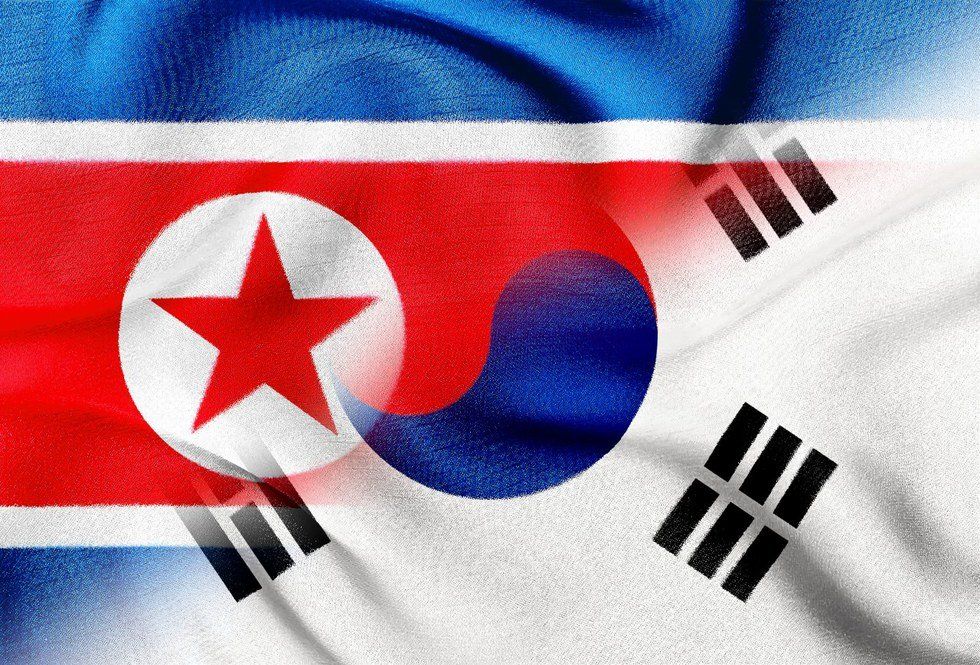
The news on Korea in the past few decades have been spiraled around the conflict with North Korea, the communist dynasty that has an iron grip on its citizens and the foolishness of their "great" leader, Kim Jong Un. This is a brief oversimplification, however, of the conflict at hand.
Korean Americans are beginning to experience more dangerous and blatantly racist backlash to the "model minority" myth slapped onto them back in the 60's to early 70's during the black power movement. As all Asian Americans faced, the communities of Asian Americans were objectified into do-good robots who exploited a system that is recognized at favorable for whites. Though this was not based on statistical or analytical fact, the model minority myth stuck until now, when micro-aggression piled up against Asian Americans until they once again manifest into straight up aggression.
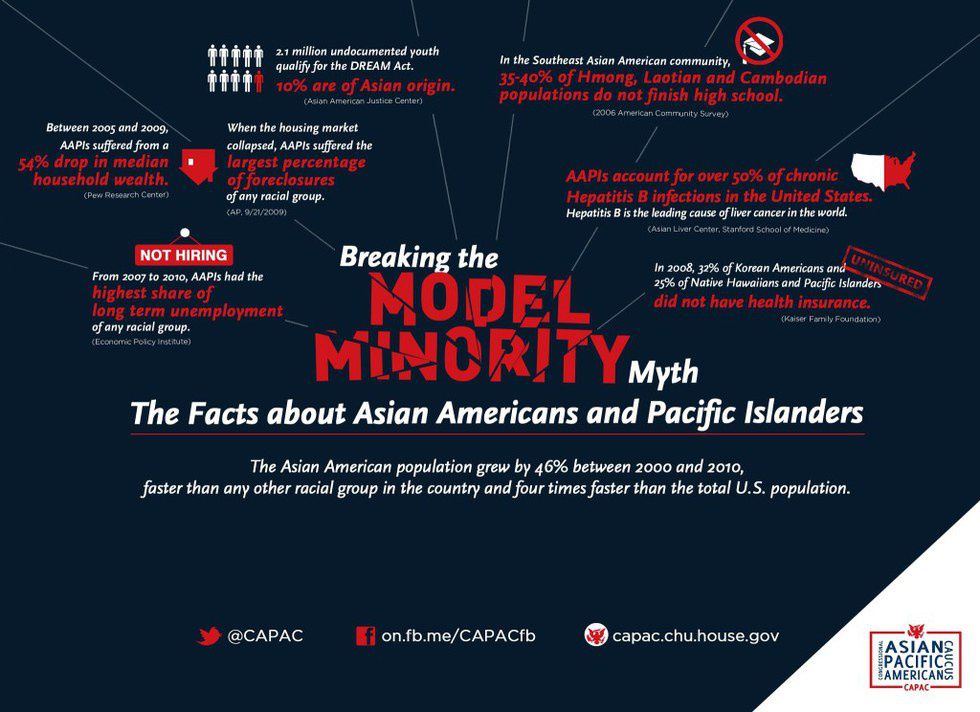
Micro-aggressions are not words that hurt, they're representations of larger forms of societal segregation and dehumanization. It's a reminder of every system set out against a specific group of people based on a trait they share. These include the infamous question every Korena has heard at least once in their lifetime in any Western country, "Which Korea are you from?"
Personally, the question gives me whiplash, it reminds me of every history class I went to where the only time Korea was even mentioned was in relation to its role as a proxy nation to the Cold War, where the highest ratio of deaths per year still stands higher than in the Vietnam War. With a country fresh out of isolationism and Imperial Japanese rule during World War II, there was not much room for the country to form its own politics before Russia and America seeped into the country and allowed recent philosophical thought on ruling take divide of the nation on such an arbitrary space as the 38th parallel known as the DMZ.
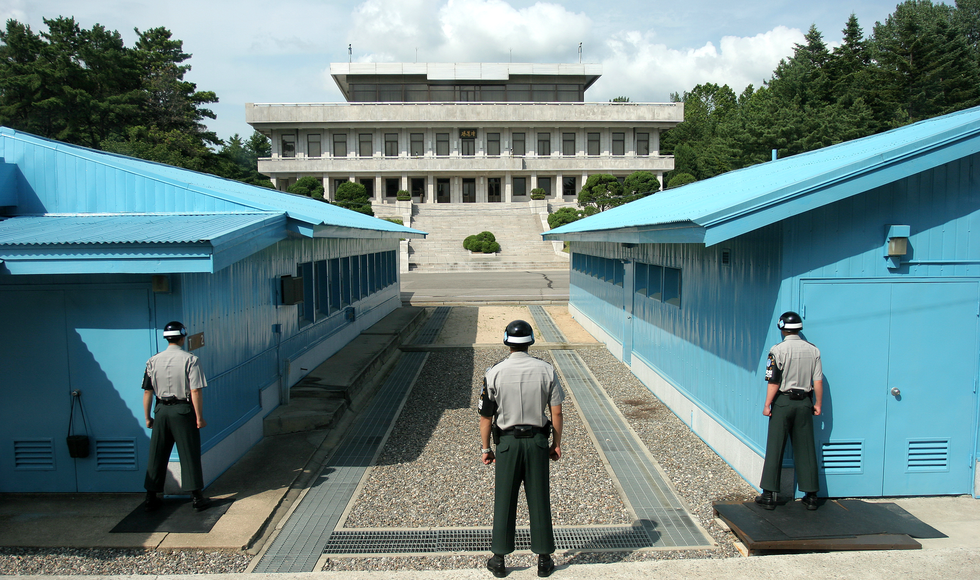
However, there's more to this conflict than a mere difference in countries. The question is always followed by discussion into the unity of the Koreas as if it were a simple merging of colors on a palette. This greatly ignores not only the history of the two nations as they were once one but also the issues present within the Northern nation.
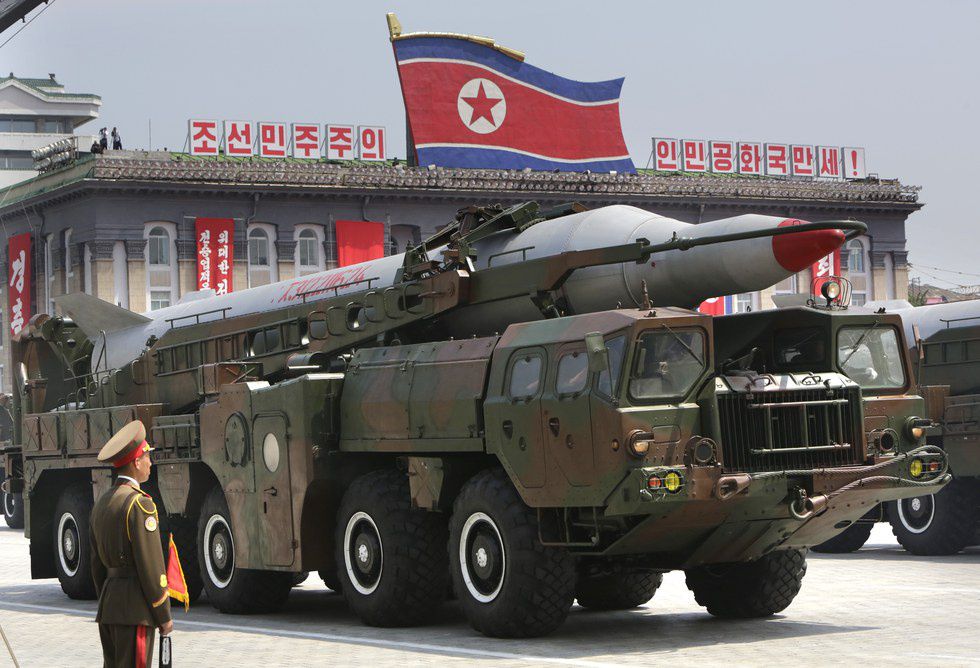
There's a reason why when you google "North Korea" the results focus on its extreme militarization, its seeming mindless population, and the mockery of their Supreme Leader. It's not to shake the Made In China socks off your feet or shake you down to your core ideas of freedom. It's to perpetuate a vision of North Korea that basically every American has. We look at North Korean weaponry on a linear bias of pure firepower whilst lulling ourselves into an ignorance into the actual power North Korea will never surrender.

Without understanding the crimes North Korea commits and actively peruses, we will never get anywhere by arguing over its "newest" missiles, the threat of nuclear destruction, or the militaristic propaganda presented to Western media. Every news channel broadcasting in American TV eats up every piece of information on North Korean weapons, without blinking an eye to the extreme human rights violations occurring right before their eyes. We may laugh or mock the North Korean government or population, but this does nothing but perpetuate the violence against the Koreans who have no choice but to survive, to try and stay alive somehow. Human rights activist and North Korean defector Yeonmi Park speaks extensively on this.

The diminishing of North Korea's threat to the world divides humans by those who are basically sentenced to death upon birth and those of us who have had the privilege to wake up and not fear for our lives. Where we can think for ourselves and enjoy a luxurious freedom in juxtaposition to those who are in North Korea. When we don't take these into account, it furthers this divide, increases the gap that North Koreans must go through in order to experience any freedom and their right to life.
So how does this affect you? Learn something! Korea's history is long and interesting but the past few decades have shaped its perception and politics to such an extreme degree. Understand that there's a lot more to pointing out the division of the Korean nations than one usually expects. We will not overcome these issues by dividing ourselves, but in understanding the complexity of the conflict and figuring out solutions rather than preparing for war. Fighting will not fix the poverty, hunger, and straight up decimation of the North Korean population. This isn't a YA dystopian novel, this is a real crisis our generation must face and take accountability for perpetuating.