

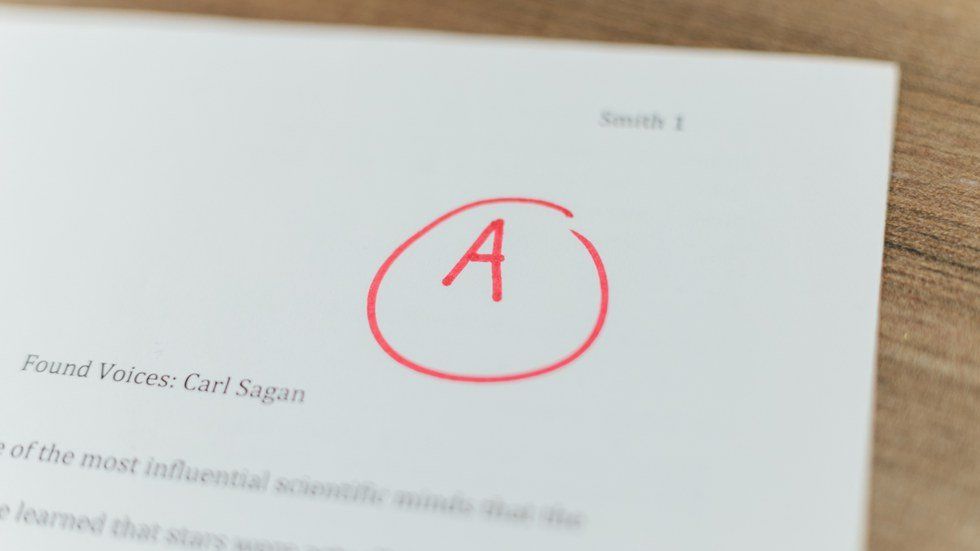
In the United States of America, there is insufficient incentive for academic achievement, a problem that reverberates throughout the educational system and ultimately negatively affects the workforce and the economy as a whole. Habits established during adolescence transfer over to adulthood. It is entirely reasonable to connect a lack of motivation with a lack of performance in the workforce; for this has proven to be detrimental to the growth of a modern-day economy. Recently, students and educators alike have been asking the same question: Should students get paid for good grades? In theory, it would be the perfect solution, as our culture values money as a reward for success. Although the concept of paying students for success sounds exemplary in theory, this seemingly utopian solution has several flaws which make it unfeasible in America.
Currently, the United States is witnessing a groundbreaking election cycle which has seen an uptick in the Conservative movement which opposes further taxation and the Common Core Educational standards. If many conservatives are elected into office, it is quite possible that such standards will be eradicated and therefore the most consistent barometer of student success would cease to exist. This would make consistent measurement nearly impossible, and the system would fail as a result. Hypothetically, if a “pay for performance” plan were to be passed, it would have to be funded by the taxpayers, as there is no way that Congress would allocate any funds from its budget to this plan as the legislative branch is in a major state of gridlock. In order to provide financial motivation for today’s students, a significant amount of money would need to be allocated, seeing as how many of today’s high achieving teens feel that the hours spent studying would warrant a significant financial reward to make it commensurate with the time and effort exerted in their academic pursuits. The prospect of receiving cash for academic performance may also lead to increased cheating, nonproductive academic competition and increased levels of dangerous student stress. Although rewarding students with cash certainly would not work, there are alternative student motivators that would be significantly more effective.
Smaller and more simple rewards are not only the most realistic, they would also be the most effective. A pizza lunch for high-achieving students, a movie night at school, a hat day and a dance are solid, time proven ideas that are inexpensive, easy to implement, collaborative and wholesome. These fun events would encourage students to earn high marks without the associated hyper-competitive atmosphere that “cash” would create. Perhaps the most effective solution would be to bring back the time-tested honor roll. It is human nature for people to want to receive accolades, and the honor roll feeds that desire while encouraging academic excellence. In conclusion, rather than the unfeasible idea of paying students for good grades, the education system ought to look to the past in order to improve its future.