


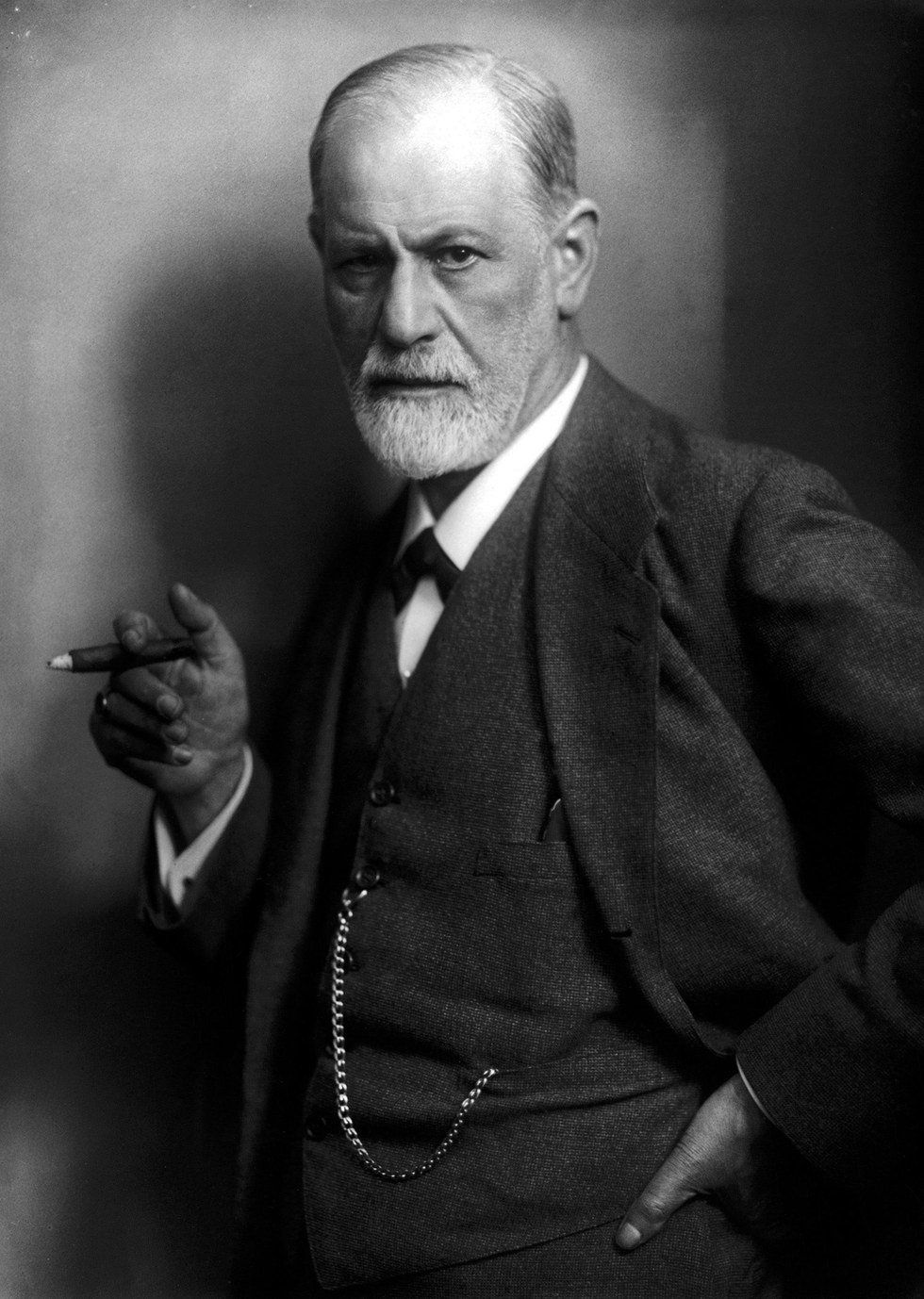
Sigmund Freud’s Psychodynamic Theory has been used over the years to explain violent and repressed emotions within our unconscious, but have been repeatedly pushed to the side as well. In recent years, his Psychodynamic Theory has become more prominent in studies pertaining to the unconscious and emotional disorders caused by repression of thoughts and feelings. Freud’s theory encompasses the overall development of a person’s unconscious forces and drives. That each personality is “shaped as the drives are modified by different conflicts at different times during childhood development." Certain points of Freud’s theory relate to the drive of anger and instincts that come with violent tendencies and how these drives can cause projection of fear, such as a young boy being afraid of loving his mother due to his father. Drive being what pushes you to violence due to environmental and mental stressors, and instincts being a “…set of inborn patterns of behavior…in response to a given stimulus." He also focuses on how we have a way to release this sort of pent up aggression and repressed thoughts by means of projection and also through our dreams.
Freud’s theories concerning the unconscious, especially his Psychodynamic Theory that examines repressed violent thoughts and emotions are extremely interesting. Case studies such as Little Hans and his insanely driven fear of his father from his unconscious mind are mind blowing. The study of both the unconscious and conscious parts of the mind astounds me. The fact that the “unconscious mind is in constant conflict with the conscious part of the mind” is entirely too interesting to ignore. Throughout our lives we are conditioned to have certain reactions to things. This conditioning of both the unconscious, behind-the-scenes thoughts, and conscious, upfront and spoken thoughts, are done throughout your life. This is substantial in relation to what drives us to pursue and act in certain ways such as violent outbursts and aggressive behavior. In the case study of Little Hans because he has been conditioned so much to be fearful of his father, that he has projected his unconscious thoughts and feelings onto horses that seem to be as frightening as his father.
To Freud, violence is a primary drive, based on “Thanatos, an anti-death wish,” and also a “Eros, sexual energy discharge” to relieve certain stressors. There are also two types of aggression resulting from the primary drives mentioned; reactive and explosive. Reactive aggression is a quick release that gets rid of tension; for example, snapping back rudely to someone you think is being rude to you. While this prevents repression, it causes actual situations to flare up. Explosive aggression and rage is unprovoked usually and is triggered by repression and can be very difficult to stop; usually this comes up from a buildup of anger. Defensive aggression comes from being provoked over and over again until the individual feels like they have to be aggressive as to not be bothered. All of these aggressive traits are compiled of those that are formed over a long, unfixed or unmonitored time of stress and manipulation. Therefore, channeled aggression can be seen in both instances due to repression and pent up aggression toward certain outliers. Freud’s studies show that all repressed thoughts, both violence and sexual drive, will emerge at some point. Another way your body gets rid of any sort of repressed thought it by “wish-fulfillment." Wish-fulfillment is exactly what you think it is; fulfilling what you desire within your unconscious through your dreams. Also, a “Freudian Slip” whereas you say something you would have never said had your conscious filter been on. Also, this slip is shown when placed in situations that can bring about violence. For instance, you may snap at your friend, or hit your significant other due to immense buildup of unconscious anger. This is clearly explained with both the Electra and Oedipus Complexes as we see a pent up sexual desire for either the male of female parent, and a desire to kill the one that you want. All around Freud’s Psychodynamic Theory brings many questions to the table. Why do we do the things we do, and what would happen if we did or said what was repressed within our unconscious mind? My answer, and partly Freud’s, chaos.
















