
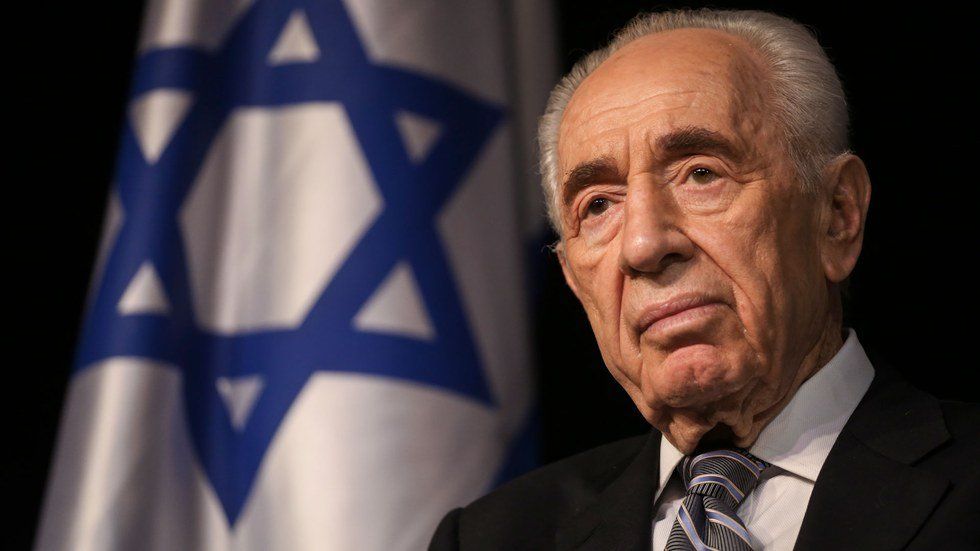
This past week, the world suffered the deeply personal and upsetting loss of former Israeli Prime Minister and President, Shimon Peres. A founding father of the State of Israel, Peres was one of Israel’s longest-serving political leaders. He was born in 1923 in Poland and later made aliyah to Palestine when he turned 11. Peres grew up in Tel Aviv and later moved to two different Kibbutzim, where he gained the leadership he needed to become the Secretary of the Labor-Zionist youth movement in 1943. Soon to be the first PM of Israel, David Ben-Gurion recruited Peres to join the Haganah Defense forces and lead the Navy in Israel’s War of Independence in 1948. Following the war, Peres became the Director of the Defense Ministry’s delegation in the United States. Peres’ career turned political in 1959 when Peres became a member of the Knesset (the Israeli parliament), a position he occupied until 2007 when he became President.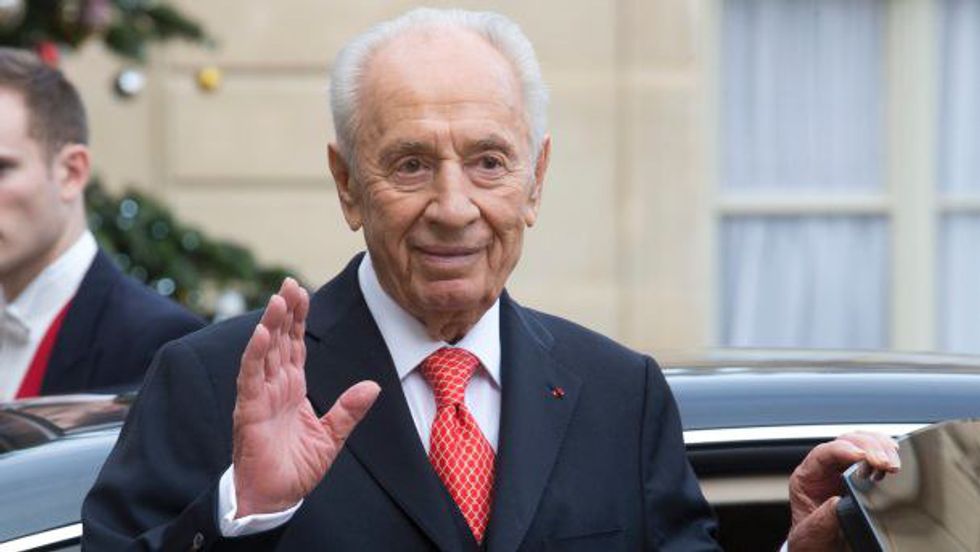
The term ‘laundry list’ could not even begin to define or explain the legacy that Peres leaves for the world. One built on Zionism, peace, and patriotism—Peres’ triumphs will inspire the minds of generations to come. Peres’ leadership of the Israel Defense Force’s recovery after the Yom Kippur War and further disengagement of forces from the Egyptian Front led to the eventual peace agreement between Egypt and Israel. He engaged quick thinking and advocacy for the military option that saved a plane taken hostage by terrorists in Entebbe, Uganda. When elected Prime Minister, Peres’ agenda of unity allowed for the Labor and Likud parties to coexist for two years. In this time, the country seriously decreased its high inflation, withdrew troops from Lebanon, and airlifted Ethiopian Jews to Israel when they were being threatened by the oppressive rule under a dictatorship. Despite all of this and more in his resume, many would argue his greatest accomplishment came 10 years later when Peres signed the Oslo Accords and earned the Nobel Prize for Peace. Though there have been many setbacks and shortcomings of this agreement, the hard-fought and hard-earned prospect of peace will hopefully encourage a permanent end of hostilities one day in the region.