Mental illness has been considered a startling and misunderstood topic since the dawn of mental disorders. In the mid-20 th Century, patients who were diagnosed with such disorders were subject to new medical advancements not previously tested, thus being potentially dangerous, painful, and even detrimental to the patient.
In the 1950’s, anti-psychotic drugs were issued to the over 500,000 patients in psychiatric hospitals in the United States. Although these new medications reduced the number of patients in hospitals, anti-psychotic drugs caused severe side effects. In 1961, psychiatrist Thomas Szasz published "The Myth of Mental Illness," claiming that schizophrenia is not a disease but an adaptation to a disordered world. This introduces the idea of the stigma of mental illness.
 The stigma of mental illness is marking a person
with a mental disorder as being different or having undesirable characteristics. The stigma of mental illness, more often than not, discourages
adolescence as well as adults from seeking the medical assistance that is
needed. Mental illnesses are
misunderstood and are often looked on as able to be corrected by the sufferer. The education of the general population about
mental disorders and the increasing number of cases in the United States will
decrease the shame and self-doubt of those suffering with these ailments.
The stigma of mental illness is marking a person
with a mental disorder as being different or having undesirable characteristics. The stigma of mental illness, more often than not, discourages
adolescence as well as adults from seeking the medical assistance that is
needed. Mental illnesses are
misunderstood and are often looked on as able to be corrected by the sufferer. The education of the general population about
mental disorders and the increasing number of cases in the United States will
decrease the shame and self-doubt of those suffering with these ailments.
Mood disorders such as depression and bipolar disorder are the third most
common cause of hospitalization in the United States for individuals aged 18 to 44
. With an increasing number of individuals being diagnosed with mental disorders, ranging from depression to schizophrenia, it is pertinent to educate society on these disorders.
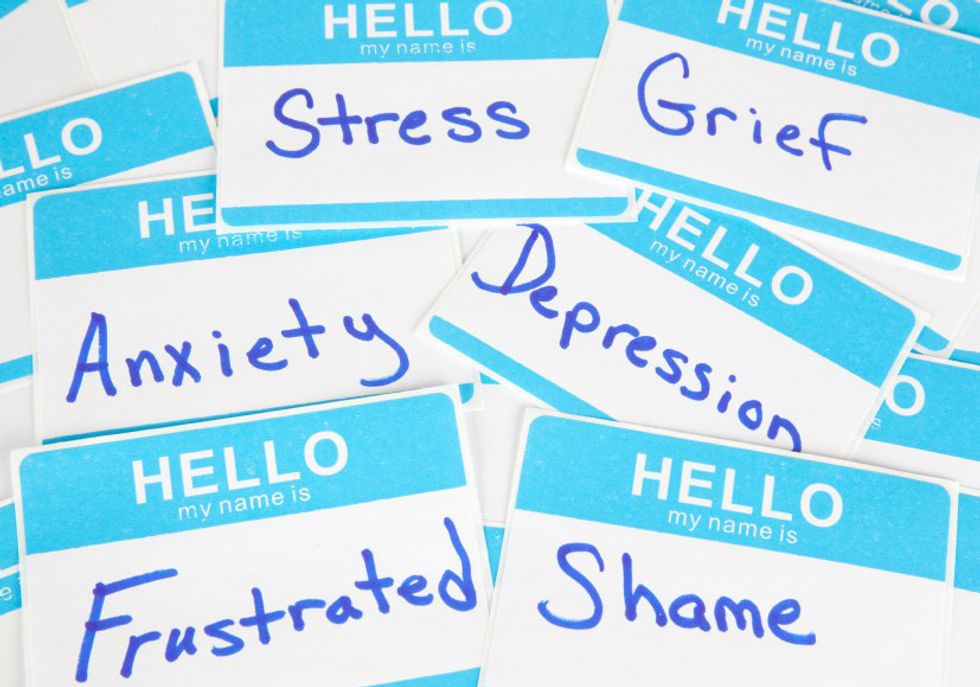
Many people with mental illness tend to label themselves as their illness. “I am OCD,” becomes a fatal phrase. Believing that they are their disorder will discourage them from seeking help, and lead them to believe that they cannot be fixed; that their illness is a part of them that cannot be removed. Mentally ill patients believe that their illness is more than an illness, and they let it take over their lives. They go from being a multi-faceted human with abilities, talents, and passions, to “Depression” to “Anxiety” to “Broken."
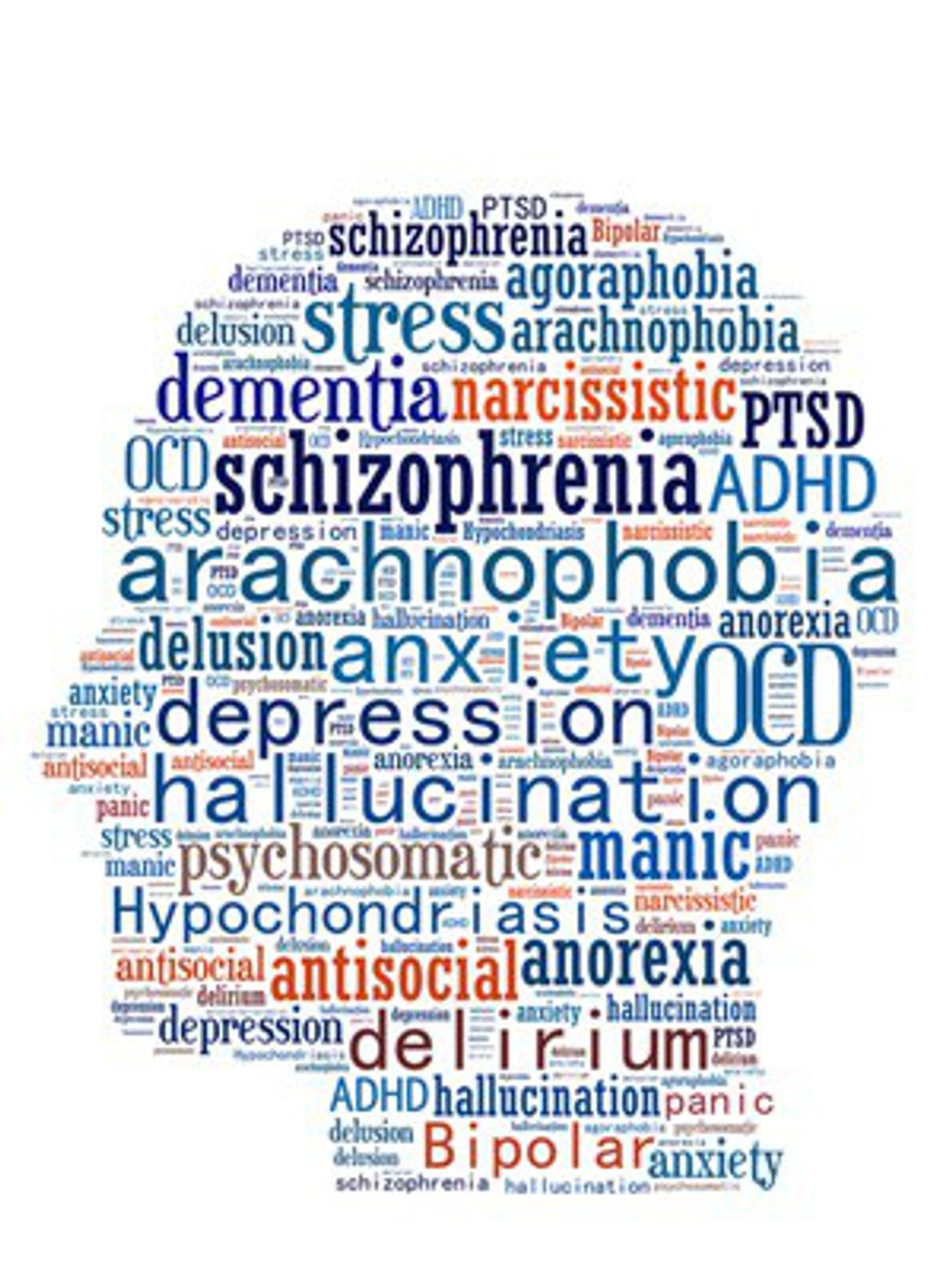
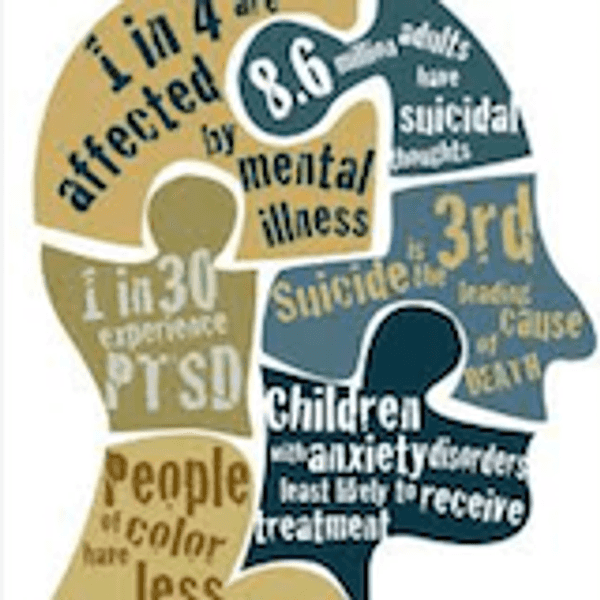
Despite the fact that mental illness is misunderstood, it is very common. One in 4 adults have a mental illness and approximately half of the United States’ population will develop some sort of mental illness in their lifetime. These are illnesses that can affect anyone, at any age, regardless of skin color, religion, or sex. Everyone is vulnerable to these life changing disorders, yet society still makes patients believe that they should be shameful and hide their illness.
Suppressing mental illness leads to an increased number of suicide, homelessness, and violent incidences, such as shootings. Individuals with a mental disorder feel alone, just in the presence of their ailments. They feel alone, isolated, and different, feelings that are only magnified by society’s rejection that such disorders are as serious as they are made out to be. Over 90% of the suicides each year are people who have been diagnosed with a mental illness. These people have more than likely been called “Crazy” or “Insane”, and looked on as different in comparison to a mentally healthy person. This must stop.
With the proper education, everyone, mentally healthy, and mentally ill people, will discover that this is nothing be ashamed of and it is not something that can be controlled. Mental illness alone impacts the sufferer to an alarming degree. But, the misconceptions and stigma affect the individual in the same way.
Individuals suffering from mental illness are multi-faceted and should not be defined by their diagnosis. By supporting them in their struggle and becoming educated on the subject, the stigmas will slowly dissipate, helping America move one step closer to equality and acceptance.