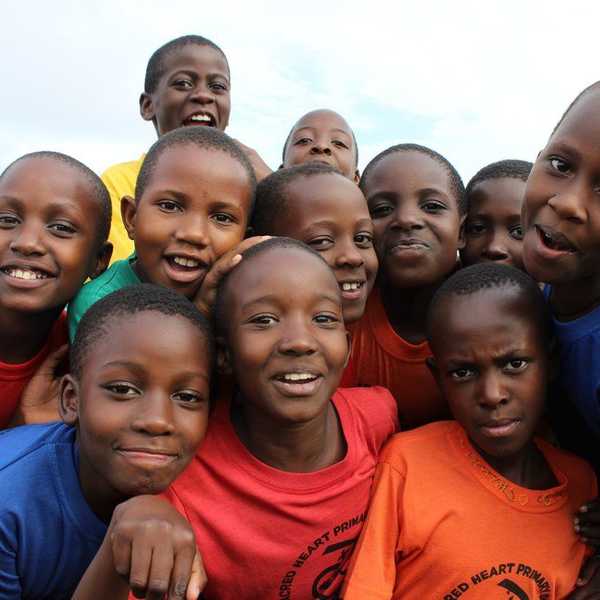
Twenty years after the slaughter of 800,000 Tutsi men, women and children during the genocide, post-war Rwanda is still in recovery.
The Tutsis have remained in power since the genocide ended in 1994. Now, outside of the media microscope it resided under in the late 90s, Rwanda attempts to mend its wounds and end oppression of the races and genders through social initiatives.
Halfway around the world, one student sought to learn more about the tides of change in this post-war country. Little did she anticipate that her curiosity on the issue would take her thousands of miles away from home and into the developing world.
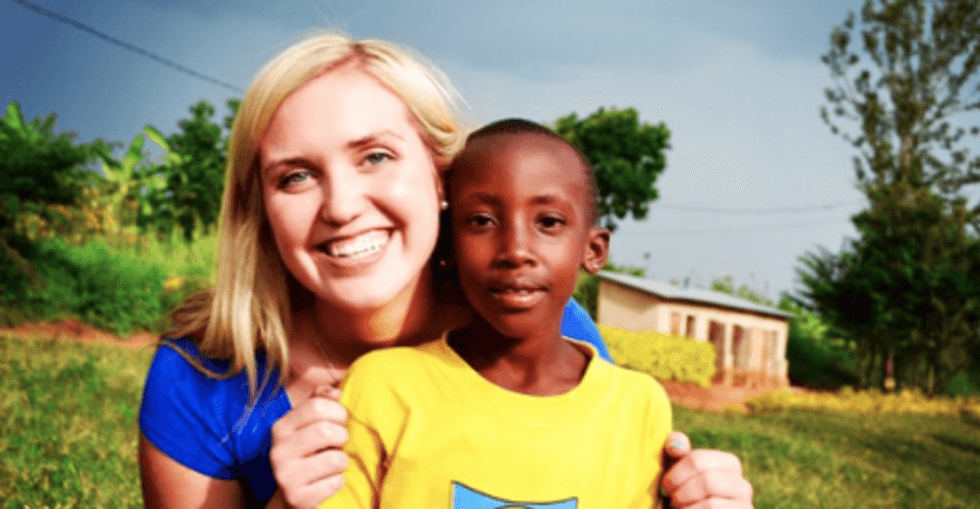
Emily Campbell, University of Notre Dame Junior, traveled to Rwamagana, Rwanda last summer on a research grant through the Kellogg Institute at Notre Dame to investigate government initiated social change in Rwanda, looking at the relationship between new government public health measures and school retention for girls.
With the help and guidance of her professor, Dr. Cat Bolten, Campbell pursued the idea of research.
The Rwanda idea came to Campbell in an English as a Second Language Course that she taught in the South Bend community. Fluent in Spanish, Emily joined ESL to work with Mexican and Latin American children in the local community.
“Most of the students I worked with were from Mexico, but one boy was from Rwanda. He told me about the genocide and how to escape the political instability his family moved to Zimbabwe and then to the U.S. As he told me this, I wondered what happened to those who stayed there, especially the large population of women who survived the civil war, left with almost no men in a society where men are the main breadwinners.”
Excited to learn more about varying international cultures and to disprove the negative opinions she had heard of Africa, supposedly violent and starvation-ridden, Campbell set off for Rwanda in mid-May of 2015.
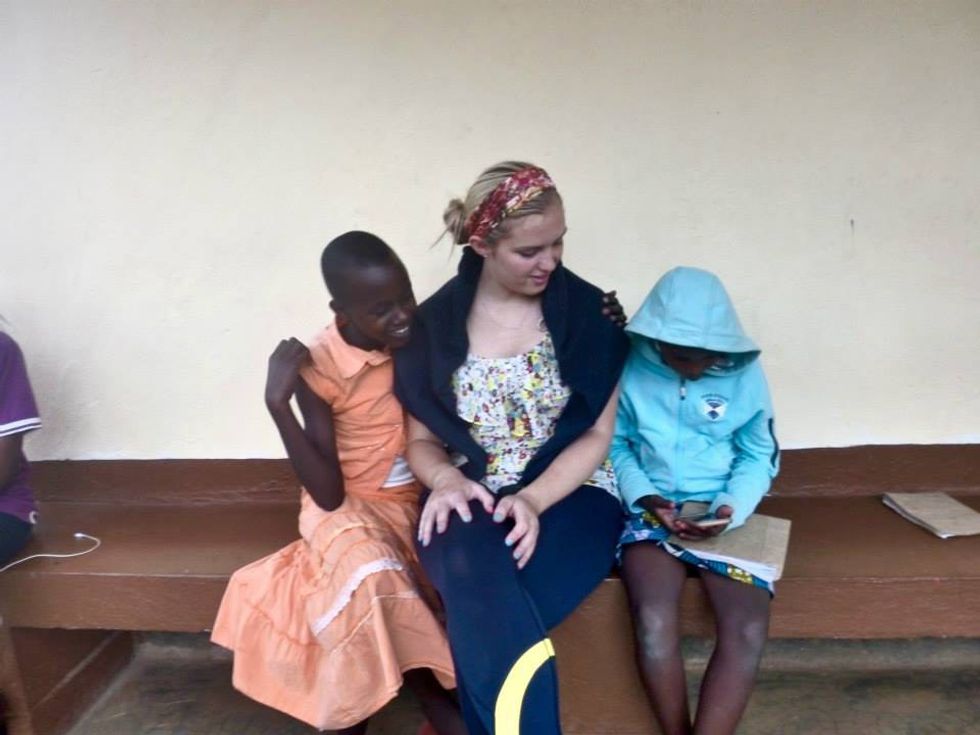
During her stay, Campbell resided at Nsinda Ikirezi, a primary boarding school in Rwamagana where she planned to interview the female students about their school careers and the culture’s valuation of girls’ education.
In Rwanda, lack of basic health supplies for girls would cause them to drop out of school when they began their periods.
“Without necessary supplies, girls would skip school during their period to avoid embarrassment and discomfort. They would end up missing 5 days a month every month, and by the end of the year they had missed so much school that they would need to repeat a grade. Parents thought all this extra schooling for their girls was a waste of time and money because they would just be marrying their daughters off anyway. So in many cases, girls would drop out of school altogether during puberty.”
After series of interviews, classes teaching English, and time spent with the students at Nsinda Ikirezi, Campbell gained a much better understanding of girls’ education and the role of women in the community from the perspective of Rwandan culture.
This idea of perspective sums up not only the importance of Campbell’s work but cross-cultural research as a whole. Cross-cultural research gives students an application of all they have studied in the classroom and more. It teaches them to think outside of their own ways and to see how diverse the world really is, training their foresight and ability to sympathize.
“There is a tendency for people to have a very ethnocentric mindset, and it is to no fault of their own, but they don’t know that there are people in the world who live very differently. It is important for people to know that our culture isn’t the only or best culture; it is just a culture. Variety and plurality are what make the world such a great place, and that should be seen.”
Campbell firmly recommends students pursue international research because of the ability they will have to pursue academic research, grow personally and implement change in societies.
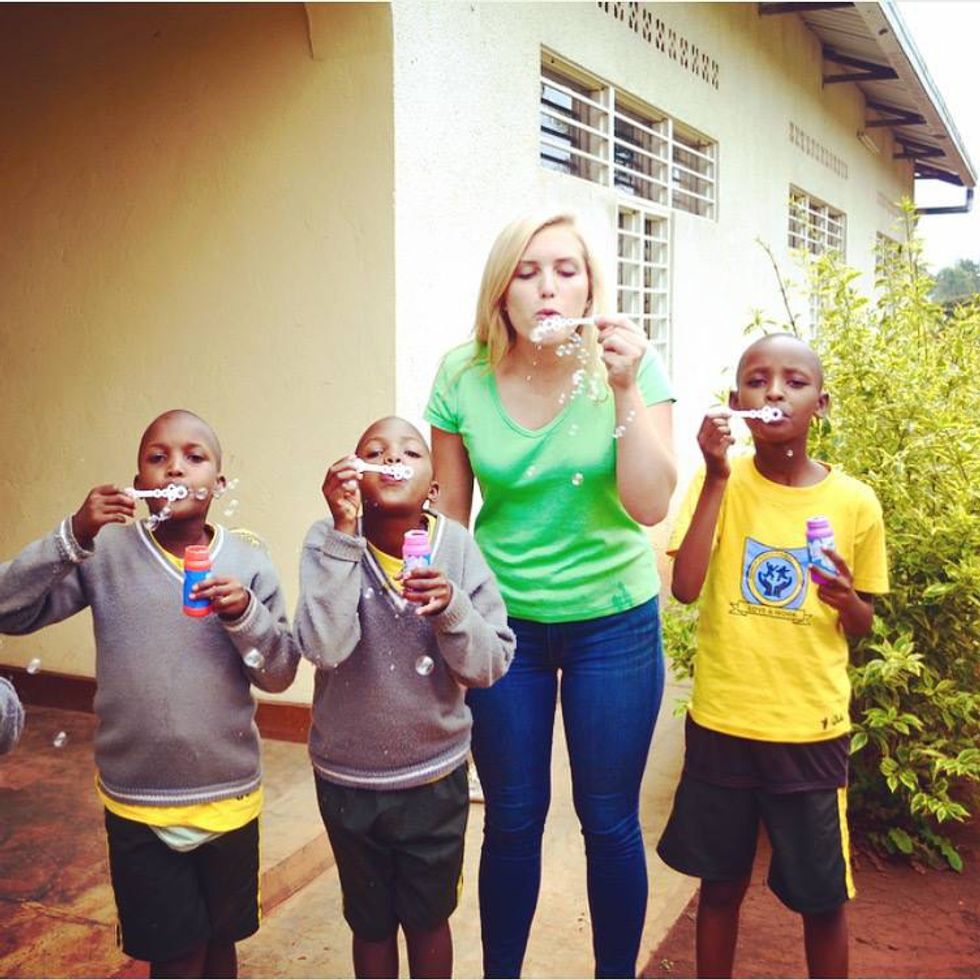
Campbell hopes to go back to Rwanda next summer and work in a secondary school to see how government implemented Girls’ Rooms, private rooms providing menstrual napkins and other grooming supplies, in schools improve the retention of female students, improving gender inequalities in education in Rwanda.
As Rwanda continues to promote the education of its women, Campbell will be there to watch the change happen and to promote its advancement. This opportunity of a lifetime, Campbell explains, is “one all students should seek out.”