

This week's essay is a week too late--born of the toils and turbulence of my Thanksgiving pie fails and one much needed success. It is a short guide to the secrets of making the best homemade pie crust. And while it is too late for many of us to save our Thanksgiving Pumpkin Pies it will be of tremendous use going into Holiday Annoyances Phase II in which all kinds of new pies await us.
This is not a recipe. It is a series of strategies for making the best pies (and it avoids treading familiar territory i.e. butter vs shortening; water vs. vodka, which are debates for nubes). I have read so extensively on the issue that it would be impossible to link any single strategy to a single source so instead here are the best websites for further reading and, as always, shout-out to pre-web standbys: The Doubleday Cookbook, The Joy of Baking, and anything by Julia Child.
Additional Reading Guide:
*FYI if you only read one, read the post from Serious Eats, which also has a recipe measured in grams
http://sweets.seriouseats.com/2011/07/the-food-lab...
http://cooking.nytimes.com/guides/3-how-to-make-a-...
http://sallysbakingaddiction.com/2015/07/01/baking...
https://smittenkitchen.com/2008/11/pie-crust-102-a...
http://www.thekitchn.com/our-15-best-tips-for-maki...
The Strategies:
1. Measure on a scale, not using measuring cups. A food scale runs about $10 if you shop around. Find a recipe that measures its weights for flour and butter in grams and then MEASURE EVERYTHING. Cup measurements are deceiving.
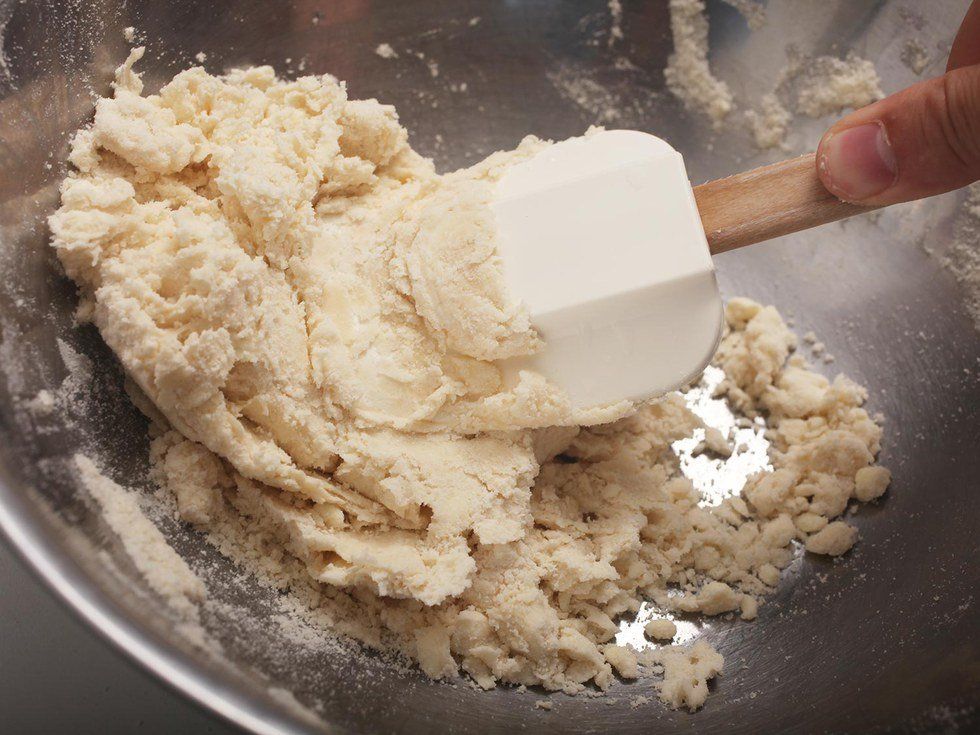
2. Whether you use butter, shortening, or butter-shortening...the secret is to be sure that the fat has rubbed itself all up in the flour before any water touches your pie--and that includes any water that comes from allowing the butter to melt. (FYI any recipe that tells you to melt your butter and then pour it into your flour...throw away). The best way to do this, courtesy of Serious Eats, is to use a food processor with a metal blade (put in the freezer for an hour to help keep things cool) and minimally pulse all of your fat with about 2/3 of your flour. Pulse just until the flour is in pea sized bits and loosely clings together when you pinch it. Then incorporate the rest of your flour until you have a shaggy dough that is slightly crumbly. Bring it together in a metal bowl (again, preferably pre-frozen to keep the ingredients as cold as possible) with as little ice water as possible. Then get that mess back in the fridge, pronto.
3. Cold, cold, cold. As you can tell from the above, it is important that your dough be cold (to prevent the fat from creating any water content, which creates gluten, which screws up your pie) but not so cold you cant work with it. So to help with this: 1. DO NOT PREHEAT THE OVEN. Do not have the oven on at all. Do not be running the dryer. Hot ovens create hot kitchens which make things melt faster. As soon as the dough starts to feel melty like play-do, you have lost the battle. To prevent play-do consistency, alternate your work with periods of refrigeration (not freezing as that will make the dough unworkable) and try to use cooking items that are cold (marble and metal pre-frozen if possible) and bone dry (sneaky water in your flour will screw your recipe).
Use these tips to get a great dough put together so your pie is flaky as hell and oh so delicious. Once you've mastered this, you can look forward to the next pie battle: bringing together the crust and filling. Then, for the really advanced: decorating the damn pies.
Good luck and happy holidays!














