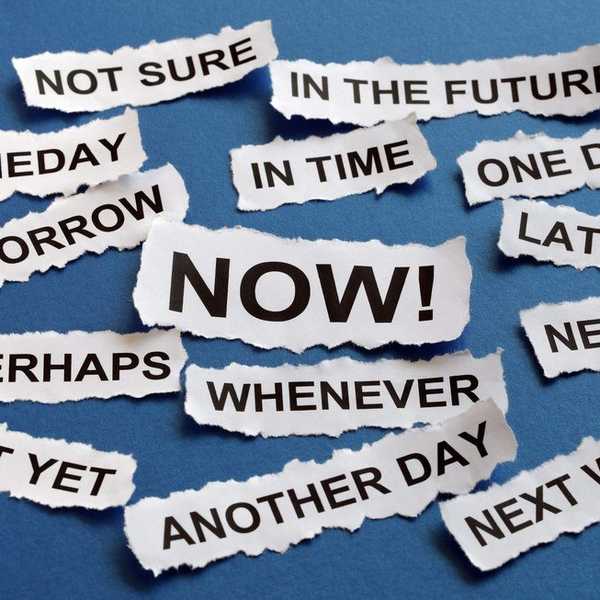

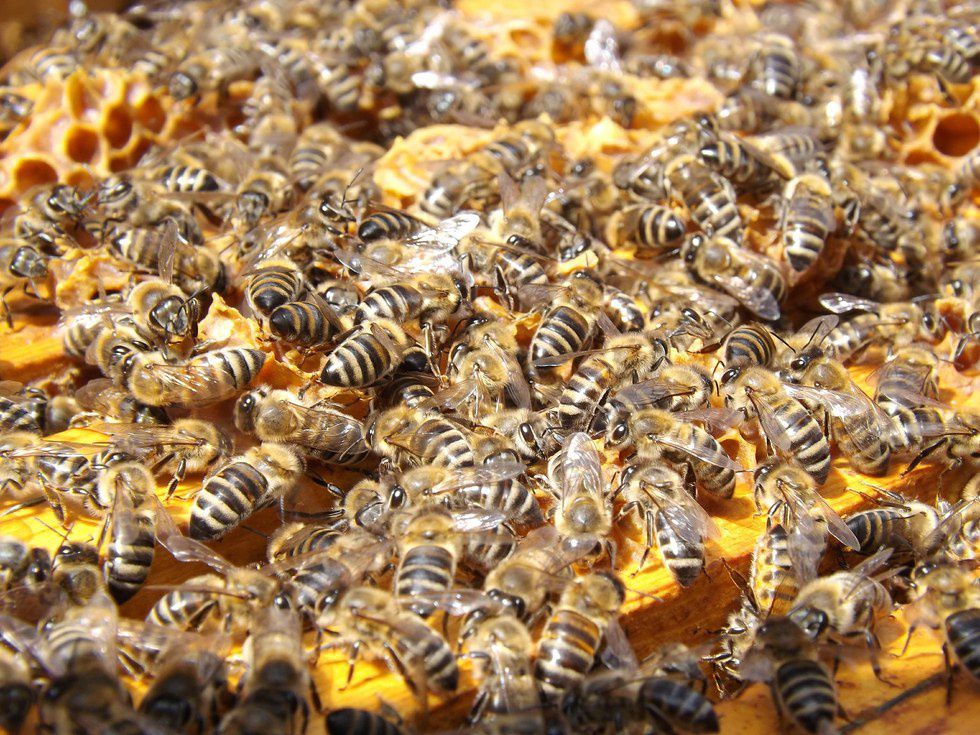
It swarms our brain like honey bees around a perfect yellow sunflower, buzzing around with a lengthy list of all we have to accomplish but too crowded to complete any of it. Yes, I am talking about procrastination.
As Edward Young put it, "procrastination is the thief of time." From my experience, it is the reason we spend all night cleaning our entire room, rather than writing that four page essay due the next day or creating that big presentation for our company meetings. It seduces us into reading books, watching YouTube videos, and calling friends we haven't talked to in weeks "just to say hi." But why do we procrastinate?
Believe it or not, procrastination wasn't created by the internet or technology (though, it might help). For generations, many have been struggling with putting things off for later. Saint Augustine, who lived in the fourth century, once said, “Grant me chastity and continence -- but not yet."
The Greek poet Hesiod, writing around 800 B.C., cautioned not to “put your work off till tomorrow and the day after.”
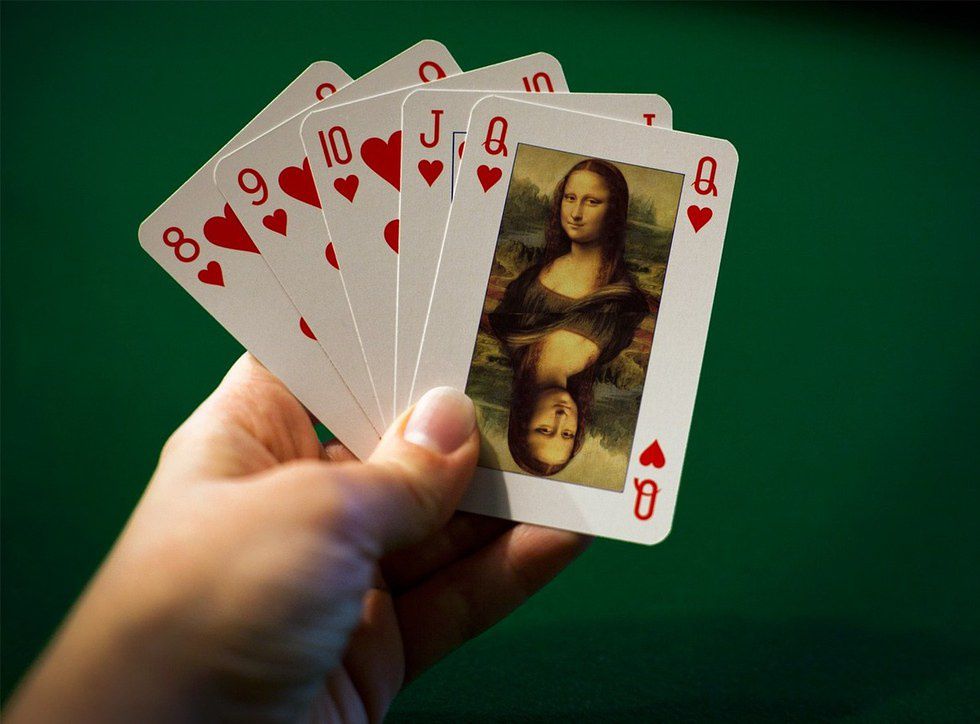
Leonardo Da Vinci never finished a project on time, it took him 16 years to complete the Mona Lisa!
As it turns out, there is a lot of science behind procrastination. So before you start to blame your zodiac sign, your parents, the weather, or anything else, read through this article to better understand what procrastination is, and how to overcome it.
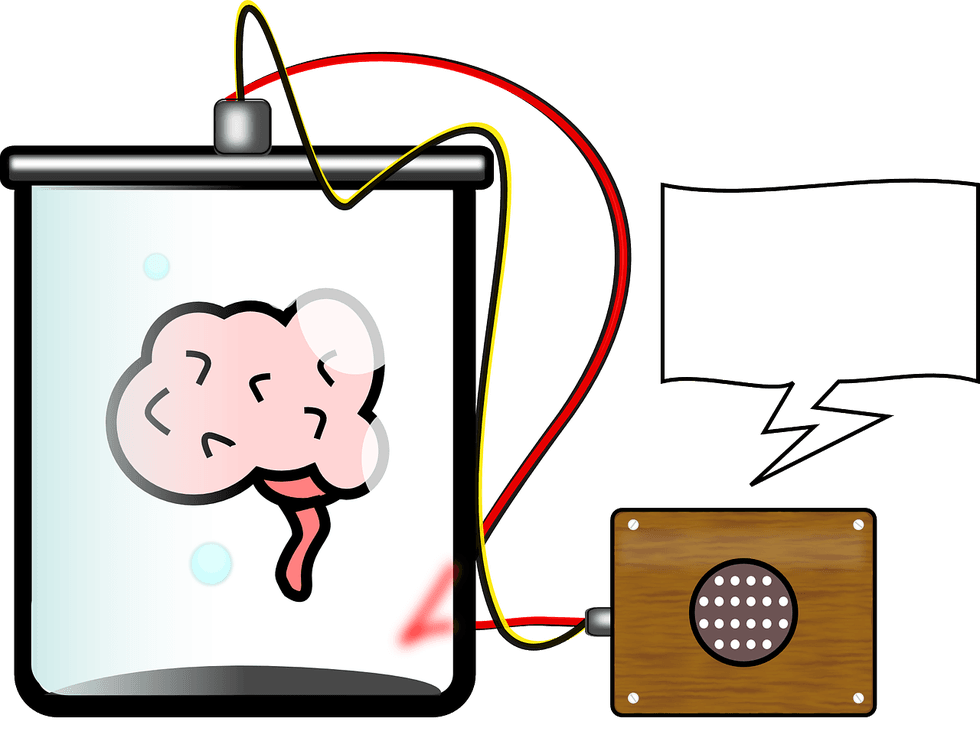
The part of our brain we really need to concentrate, is the prefrontal cortex. It’s what we use to make decisions and connect things we have learned with abstract thought. Sadly, this is not automatic. We have to turn it on, (no more YouTube, I have to write this paper!). If we let our mind wander, the automatic system kicks in.
The automatic system in our brain is fast and unconscious. It is where our "fight or flight" instincts come from. Have you ever jerked your hand off of a hot pan on the stove? This is the system that helped you. However, it also keeps us from focusing on unpleasant tasks and directs you to opt for “immediate mood repair,” explains Timothy A. Pychyl, Ph.D., a psychology professor at Carleton University. This leads to us frequently becoming distracted from the tasks we have to complete -- or avoiding them completely. Thus, procrastination is born!
However, don't just chalk up all of your avoidance to biology. According to many psychological scientists, chronic procrastination can be incredibly unhealthy! Dianne Tice and Roy Baumeister of Florida State University state that, “Procrastinators end up suffering more and performing worse than other people.”
It is important to complete our tasks in a way that keeps our physical bodies strong and our mental and emotional selves strong too. So if that means putting off your project for a few more hours, go for it! Just remember, everything in moderation!