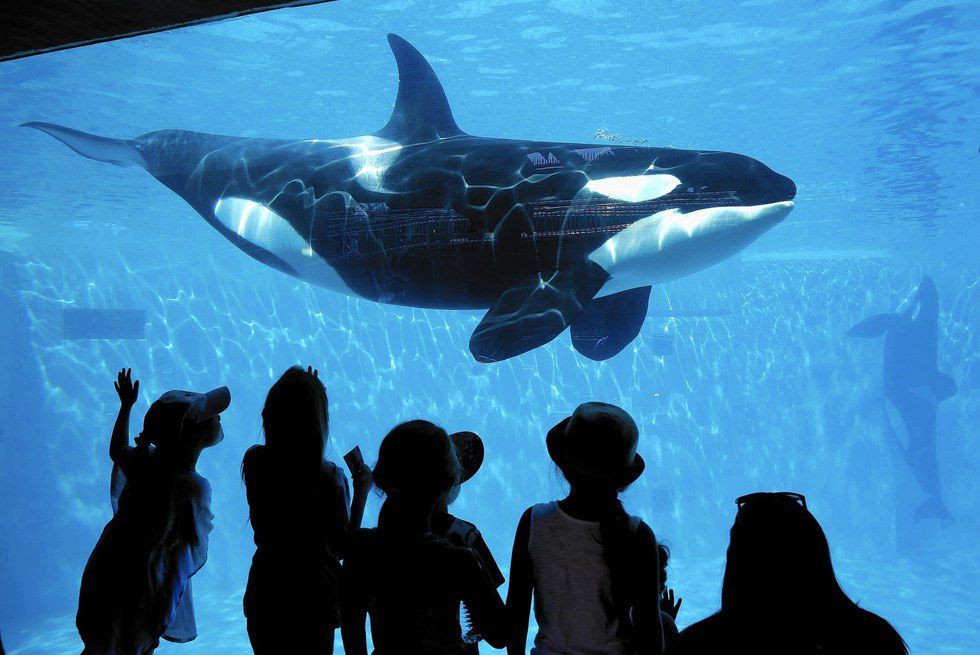
It was when I was in the third grade the first (and only) time I visited SeaWorld in Orlando, Florida. As a super intense lover of animals, I was in absolute heaven. I was privileged enough to eat dinner with Shamu, I went on roller coasters and was able to ended the day with a stuffed whale and a love for orcas. I didn’t even mind that it had been pouring all day long and that I had to wear a hideous rain poncho that became soaked through. It was every third grader’s dream. Little did I know that SeaWorld wasn’t exactly the best place for these massive mammals to live, and that I was a part of funding something not so great.
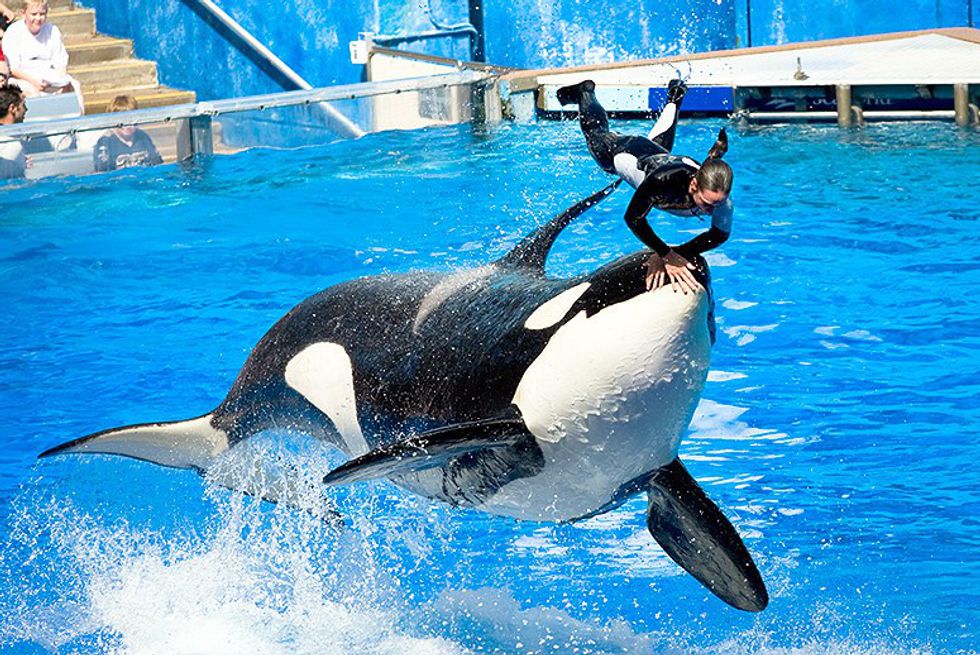
After backlash following multiple trainer deaths and the release of the 2013 documentary Blackfish took over the park’s reputation, SeaWorld needed to salvage their once prized image before it was too late. But, nothing happened. SeaWorld took no action besides sending in their own employees as animal-rights activists to infiltrate their opposers and put out a half-hearted ad campaign saying that everything was A-OK. Sure, they issued statements saying that they took care of their supposed happy and healthy orcas, but that’s not what we as the public wanted. We wanted action. We wanted justice for the orcas and all of the wild animals kept at SeaWorld, and we wanted it now.
Three years after the eye opening documentary debuted and angered consumers across the country, SeaWorld has finally started taking the steps towards a significant change. The new CEO Joel Manby, who was appointed last spring, has announced that the park will no longer be breeding their orcas and will eliminate all entertainment shows involving them in due time. A step in the right direction SeaWorld, but a little on the late side. Nonetheless, it seems as though SeaWorld has finally come to their senses and is making their way towards the greater good.
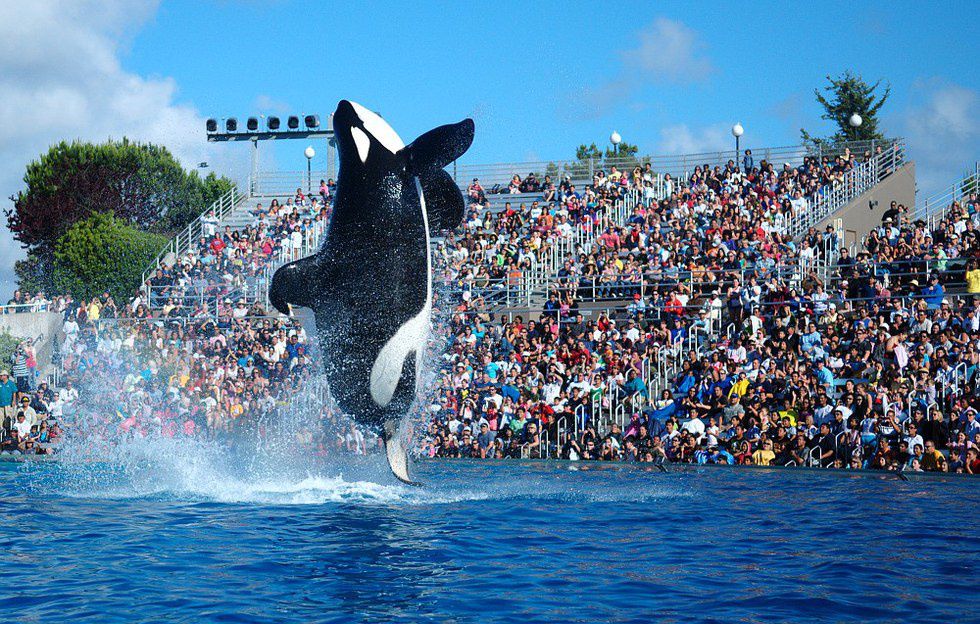
To ensure the public that they’re finally doing something right, SeaWorld has partnered up with the Human Society of the United States to make sure their animals are treated correctly and with the utmost care. Since the theatrical shows will be phased out, SeaWorld is replacing them with visitors seeing the killer whales in a natural setting for entertainment and educational purposes and they have also decided to increase their focus on rescuing more animals. SeaWorld will also work to fight and bring awareness to seal and whale fishing and shark finning.
While SeaWorld still has a long way to go to retain their image and make the world for animals a better place, they have began to make actions towards that. The plan they are going to implement might take a long time to fully form, but it’s pleased animal rights activists and groups such as PETA for now. Hopefully one day I’ll be able to visit SeaWorld again when it’s a fully functioning reserve for marine life working to protect animals.