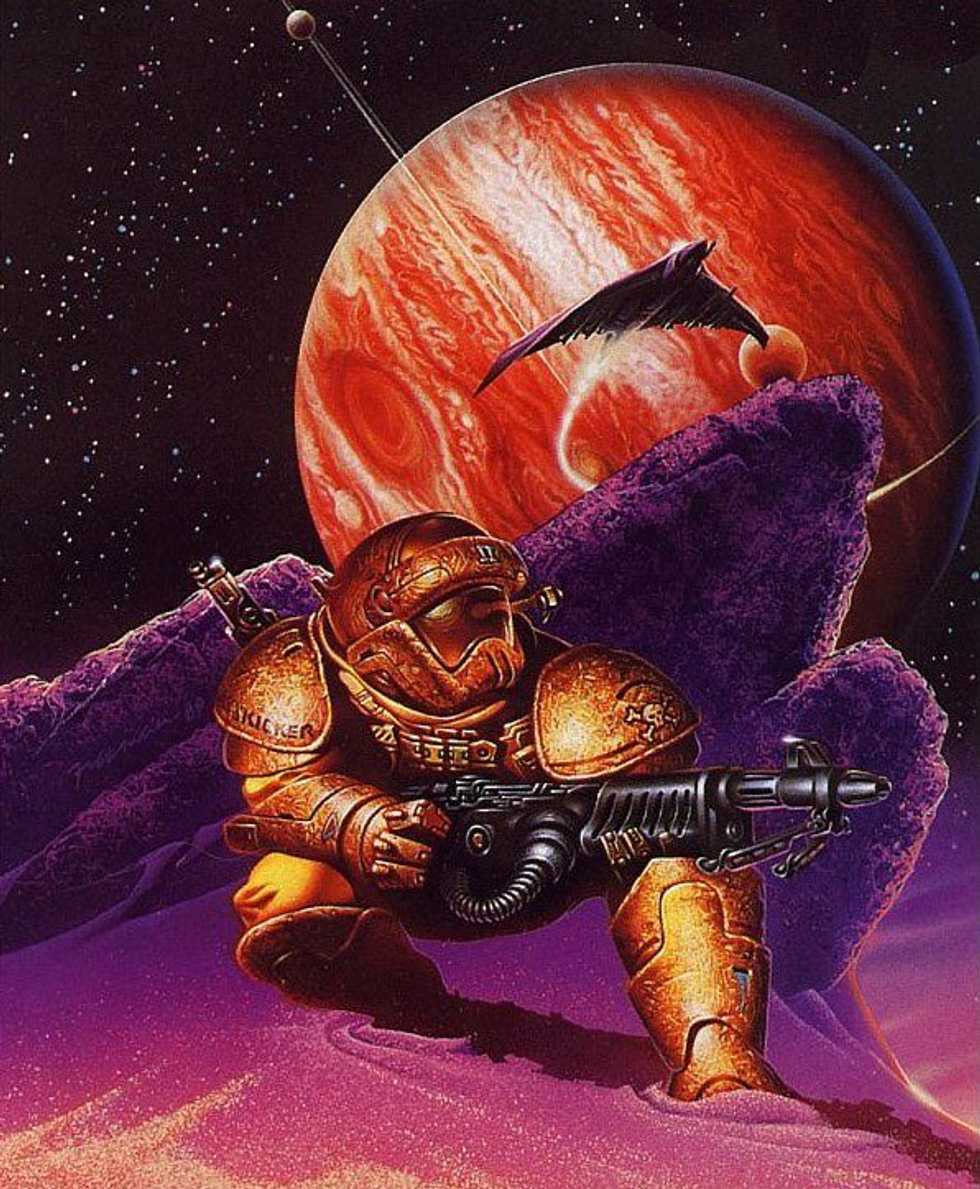
I've been reading since my mind learned to group together individual letters into words and those subsequent words into sentences, much like everyone reading this right now is doing. I've been reading science fiction from the moment I issued an abridged copy of War of the Worlds from my school library when I was nine years old. Oh, how time flies — especially if you throw a clock or a watch from your nearest window.
Corny science jokes. The best thing since sliced bread.
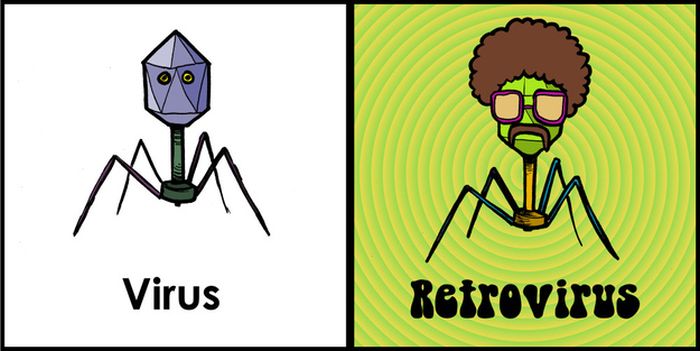
This isn't about science-inspired humor, corny or not. This is about a branch of literature that's inspired by science and its possibilities — how far scientific advancements can push our collective species, to go where we haven't gone before. Yes that thinly veiled "Star Trek" reference is highly logical in this context. Just like Captain Spock's understanding of the human oddity of metaphor.

Science fiction is an umbrella term that covers many mediums of art, which are either speculative, sensationalist or socially aware commentary, among other things. Books, literature, movies and even music, have all grappled with this as a topic idea, often with 'Interstellar' results that turn out to be truly gratifying. Artificial intelligence, time machines, extraterrestrial beings, space exploration as a means of survival for the human race, using fantastical scenarios to comment on real life discrepancies as an allegory — science fiction is used in all these genres of art. It is truly a literary and artistic Swiss Army knife.
Perhaps some of the best-known science fiction novels are "The War of the Worlds" by H.G. Wells, "The Time Machine," again by H.G. Wells, and "Journey to the Center of the Earth" and "20,000 Leagues Under the Sea" by Jules Verne. These were books that truly laid the foundations of what science fiction would come to be known for and also known as, stylistically speaking. The new generation of authors took these core concept ideas and exponentially magnified them, to amazing results. "Star Wars", "Star Trek", "Doctor Who", "Superman" — some of the biggest names in pop culture today owe their existences to their creators being enthralled by science fiction heavyweights.
Once movies came about in the early 1900s or so, an inevitable expansion of television programs, the Fifties were a stellar year for science fiction movies coming from the Hollywood movie mill. Hollywood took classic science fiction tropes and ran with them, sensationalizing them into landmark movies for the time, filled with special effects that may seem almost Halloween-esque now but were state of the art for the time period. Movies like "This Island", "Earth," and "Killers From Space" are the defining ones of that era.

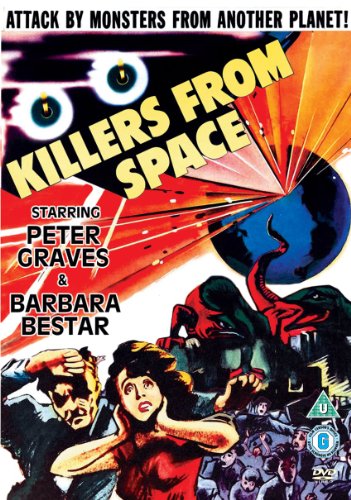
Behold sensationalist, vivid taglines that put modern movies' single phrase ones to utter shame!! Not one of these movies is a sequel!! (It's advisable to read this in a 1950s television anchor voice for added effect).
All humor aside, however, these movies wouldn't have been possible without their ink and paper counterparts that predated them. Whether it be the magnetic timelessness of space exploration and alien communication in books like "Contact" by Carl Sagan and "From the Earth To The Moon" by Jules Verne, another book by the seminal author that basically predicted the Moon Landing, to the terrifying possibilities of small things causing large scale chaos like in Michael Crichton's "The Andromeda Strain." Crichton also authored another book you might have heard of — "Jurassic Park."
In a day and age where we wait for the movie of a book to come out instead of picking up the physical copy, I think it's important to keep the reading habit in general alive and well, but it's even more important to keep reading science fiction and also generate new stories. It seems to me that technological advancement and advancement in science fiction have been intertwined since day one, and it makes no sense to stop this tradition any time soon.