


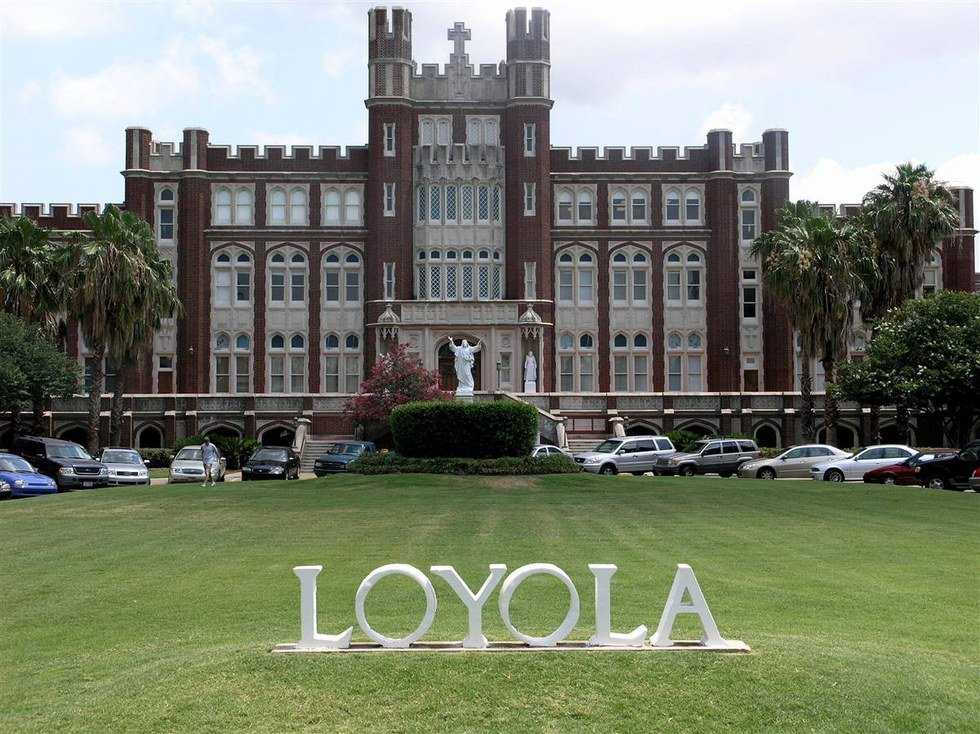
OK, so it's time to go back to school in a few weeks. Maybe this is your first year at college, maybe you’re a transfer student and this is your first time in New Orleans. Either way, as a queer (or possibly queer) student, there are some things you need to know:
1. Don’t expect to instantly become friends with every LGBTQ+ person you meet.
I can tell you from first hand experience that queer people can be just as cliquey and oppressive as anyone else. In fact, there is such a thing as a queer hierarchy in certain spaces, as every student will be at a different place in their self-discovery. The queer students who are the most comfortable with themselves will have the loudest voices and the most authority. If they make you feel unsafe, don’t feel compelled to hang around them just because they are queer. Your happiness is the most important, so you have every right to still identify as queer if you don’t like going to QSA or any of the other queer-run student organizations, And since I’m President of one of them next year, you know I really do care about your well being above my organization’s status as “the most well-attended club." With that being said, please talk to any of your queer organization leaders if something about their meeting style/organization makes you feel uncomfortable. Don’t be afraid! I promise that its more than likely someone else in the group was also feeling unwelcome and will be glad that you spoke up. I’ve had to talk with organization leaders about my issues with how the organizations were run, and although it can be extremely uncomfortable, any organization that’s worth your time will see the value in your criticisms and work to be more inclusive.
2. Don’t discount your straight allies.
I know they don’t have the experience of being queer, but they may end up being more welcoming than people who identify in the same way as you. Because they are not a part of the queer community, they may be less judgmental to someone who is new to their queer identity and is making mistakes, which you will, because everyone who is brand new to LGBTQ+ culture does.
3. Don’t be afraid to use the resources available to you on campus.
Just because they are not queer-specific, it does not mean that they are not welcoming and accepting. At Loyola specifically, there’s the Women’s Resource Center, which although on the surface can seem only for those that identify as women, is full of diverse people (some queer-identified) who genuinely fight for LGBTQ+ acceptance on campus. Even though there’s “Women” in the title, the WRC focuses on gender more broadly, so do not be discouraged, the WRC is definitely a space for you. Plus its director is one of the most kind-hearted and accepting people you will ever meet in life.

4. Don’t be afraid to reach out to your RA (Resident Assistant.)
Turns out, many RAs are actually queer-identified and they may know more about what you’re going through than you initially think.
5. Don’t be afraid that because Loyola is Jesuit, it is full of religious people who will tell you that you’re going to hell for being queer.
That is not the case at all. In fact, having one conversation with our University Ministry Director will clear up any confusion. On the flip side, if you are religious and queer and desire that community, talk to me, I can direct you to safe places of worship or social groups.
6. Don’t be afraid of Tulane!
I don’t know what it is, but so many Loyola kids have told me that “Tulane scares them” so they don’t go over there. Yes, Tulane as an overall campus is intimidating. However, if you’re looking for more intensive queer-specific student groups, Tulane can’t be beat. They have about five different queer student groups run by some of the best activists that I’ve ever met. They love Loyola students, and would be happy to see you at their meetings. There’s an entire office for queer student life called the Office for Sexual and Gender Diversity. Check out their Facebook page here. They even give out free lunch at their “Wednesdays with the O” event! Want to get more involved at Tulane? You can take classes in their Gender & Sexuality Studies program. Talk to me for more information!

7. Not finding the community you need on campus? That’s ok; you’re perfectly normal.
Not everyone fits in or is happy in campus culture. Try to make friends in the broader NOLA community by going to some cool off-campus events. Don’t drive or have a car? We have Lyft and Uber that can take you anywhere you’d like to go, as well as other students (like me) who would gladly go to events with you and split the cost if the fare is too expensive. For a guide to off-campus life, check out this tumblr.
8. If you’re starting to feel depressed or lonely, please do not be ashamed to seek out a therapist.
Loyola’s Counseling Center is fantastic, they even helped sponsor the first ever Trans 101 we had on campus. Here’s the link with how to make an appointment with the Counseling Center.. If none of the counselors on campus work for you, don’t be afraid to say so! Believe me, as someone who struggles with mental illness, its much better to be honest and get the help you need sooner rather than pretending that something is working for you when it isn’t. They are professional therapists; if they are not helping you, they want to know so that they can refer you to someone who can. You will not be hurting their feelings by saying it isn’t working out. Check out the tumblr again for a list of queer-loving therapists off campus.
9. Don’t underestimate the power of a good queer book!
Reading something by a queer author can make you feel less alone, like someone in the world understands what you’re going through, even if they are not someone you can interact with in your daily life. Their words can help you escape. Find an author you love and write their quotes on sticky notes around your room to keep you motivated. Some of my favorite queer authors are Kate Bornstein and Janet Mock. If you don’t know where to start, here’s a handy list of queer books.

10. If you really feel miserable in college, do not be afraid to take a semester off or even transfer schools.
I did both. In fact, I transferred twice in my undergrad career before I found my place here at Loyola. It takes time to figure out what you want, do not let anyone shame you into adhering to a timeline that does not feel authentic to you. I personally believe that there should be an optional mental health semester for everyone in college, where every student gets one semester off if they need it, no questions asked. Want to transfer but don’t know how or where? Talk to me, I’ve been through this twice in a row. I guarantee you that if I don’t know the answers (as I often don’t,) I’ll find you someone who does.
That’s all the wisdom I have. Please reach out if you have any questions or issues as school begins. Remember that you are not alone in your desires. Hope to see you around campus!
















