


Literature is an indispensable aspect of society because it combines defunct traditions with modern norms. In essence, the history of literature unavoidably resembles the history of the human kind and the various intellectual levels of people who lived and wrote in different ages.
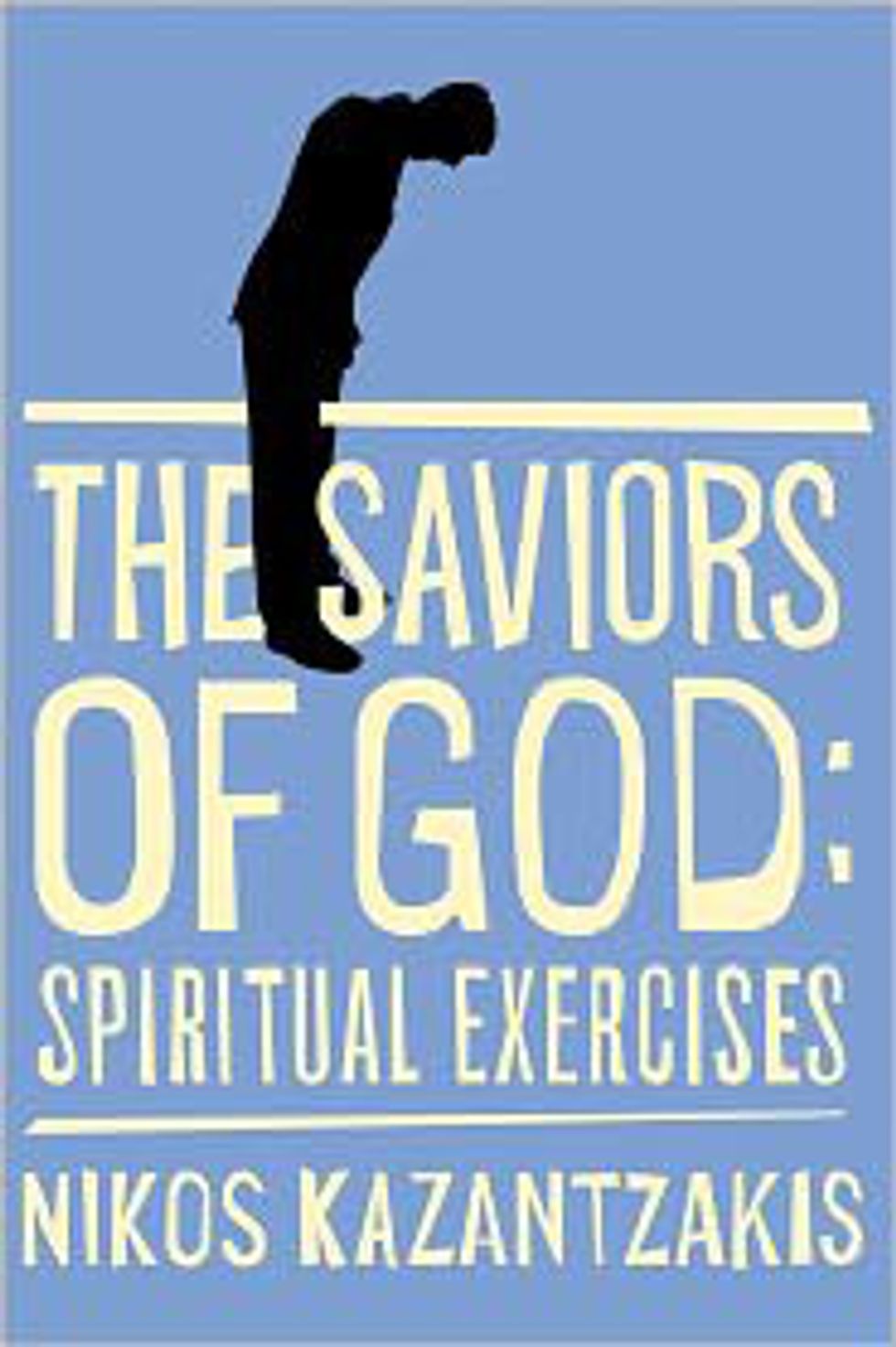
The piece below has been the product of the philosophical inquiries of Nikos Kazantzakis, one of the most noteworthy Greek writers of all times. The excerpt has been edited in order to reflect the most notable ideas of the writer in the least words possible. It is originated from the literary work “Spiritual Exercises.”
The excerpt refers to the spiritual preparation one has to commit to in order to discover the essence of life. The preparation is divided into three basic duties. The Prologue and the First Duty are included in this article.
PROLOGUE
WE COME from a dark abyss, we end in a dark abyss, and we call the luminous interval life. As soon as we are born the return begins, at once the setting forth and the coming back; we die in every moment. Because of this many have cried out: the goal of life is death! But as soon as we are born we begin the struggle to create, to compose, to turn matter into life; we are born in every moment. Because of this many have cried out: the goal of ephemeral life is immortality! In the temporary living organism these two streams collide: (a) the ascent toward composition, toward life, toward immortality; (b) the descent toward decomposition, toward matter, toward death. Both streams well up from the depths of primordial essence. Life startles us at first; it seems somewhat beyond the law, somewhat contrary to nature, somewhat like a transitory counteraction to the dark eternal fountains; but deeper down we feel that Life is itself without beginning, an indestructible force of the Universe.
THE PREPARATION
First Duty
- WITH CLARITY and quiet, I look upon the world and say: all that I see, hear, taste, smell, and touch are the creations of my mind.
- Deep in my subterranean cells my five senses labor; they weave and unweave space and time, joy and sorrow, matter and spirit.
- But I, the Mind, continue to ascend patiently, manfully, sober in the vertigo. I erect landmarks over this vertigo; I sling bridges, open roads, and build over the abyss.
- I impose order on disorder and give a face - my face - to chaos.
- I am the worker of the abyss. I am the spectator of the abyss. I am both theory and practice. I am the law. Nothing beyond me exists.
- To SEE and accept the boundaries of the human mind without vain rebellion, and in these severe limitations to work ceaselessly without protest - this is man's first duty.
- Distinguish clearly these bitter yet fertile human truths: (a) the mind of man can perceive appearances only, and never the essence of things; (b) and not all appearances but only the appearances of matter;
- Within these limitations the mind is the legal and absolute monarch.
- I recognize these limitations, I struggle at ease in their closure, as though I were free.
- I rejoice in plants, in animals, in man and in gods, as though they were my children. I feel all the universe nestling about me and following me as though it were my own body.
- Discipline is the highest of all virtues.
- With clarity and austerity, you may determine the omnipotence of the mind before you set out for salvation.

This is the power of words that are turned into literature and philosophy by minds with a rigorous connection to the essence of life and spirituality. The remaining two duties are to be published in the following week’s article.

















