

There have been a lot of memes circulating the internet since they became popular in the mid-2000s. Everything from poorly drawn cartoons to short videos have become widespread internet memes. But did you know that one of the most well-known video memes actually has a fascinating history? The Trololo Song from 2009 has a surprising past that you will definitely want to know about. The story about how it went viral is also an incredible one. But let’s talk about the history of this video first.
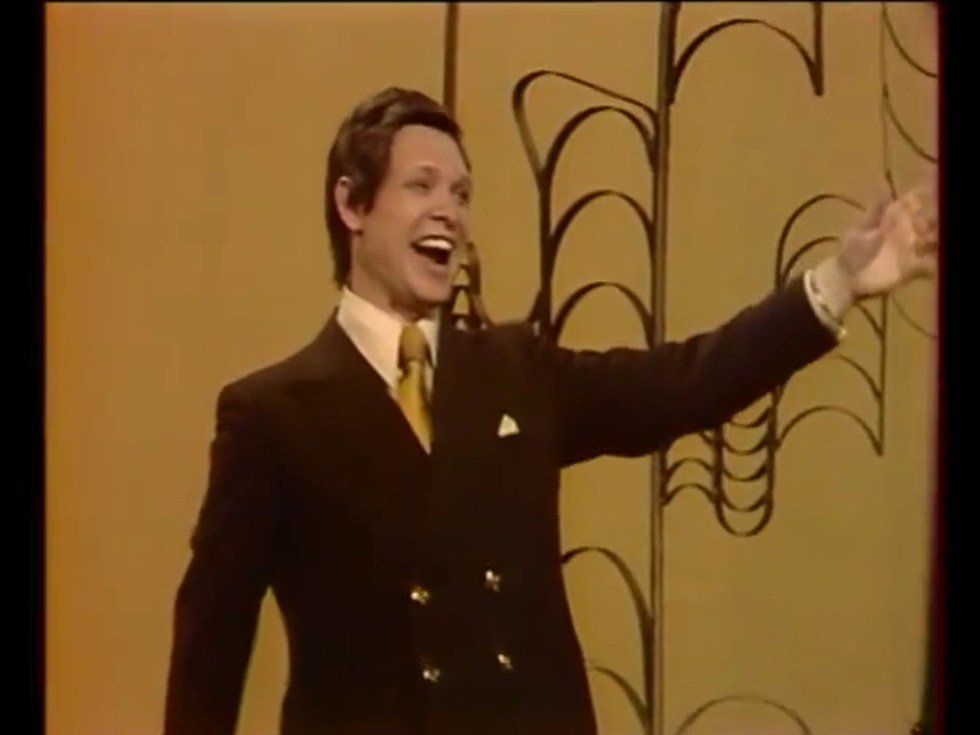
You may be asking yourself right now, “Wait, I don’t think I know what this video is?” Let me tell you about it, because this video is incredible. It is a clip from a 1976 variety show filmed in Sweden, where Russian singer Eduard Khil is performing his 1966 song “I Am Glad, I’m Finally Going Home." It is an eye-catching video due to the eccentricity of it to American viewers. The background is starkly 70s with a mustard yellow color backdrop and standing wavy metal grates. The most interesting part about the song for many is that it has no real words to it. Instead, it is just a bunch of vowels and vocal noises, which constitute the Vokaliz style of singing. So that’s the basic premise of the video, and it is linked above for you to watch.
Now let’s get to the history of this song, which will explain why the song has no lyrics but is instead done in Vokaliz. The original song, written by Russian composer Ostrovsky, was about a cowboy. The cowboy, named John, is riding across the prairie to his love, Mary, who is knitting while she is waiting for his return. This seems like a harmless enough song, but they are in Soviet Russia during the height of the Cold War. So a song about a cowboy, which is thought of as incredibly American, wouldn’t fly or ever be aired on Soviet TV. So to do their own censoring of the song, Khil and Ostrovsky dropped the names and made the song a jazz song for three octaves. From there, the song ended up just being about a man walking through a field who is really glad he is headed home. It became a pretty generic song about happiness after that, with no words to upset anyone.
That’s a pretty crazy history, huh? I mean those USSR censors back in the day were tough. Okay, so we have this heavily censored song from the Cold War being performed in Sweden because it became one of Khil's most popular songs. Then how did it become an Internet sensation almost 35 years later? That is also another interesting story of how Khil became one of the most famous people on the internet posthumously.
The first version of the Trololo song on the internet was uploaded to Youtube back in November of 2009. The clip was originally titled, “I am Glad, ‘cause I’m Finally Returning Back Home” in Russian. It was then later changed to simply “Mr. Trololo original upload” to appeal to a wider audience using the English language instead of Russian. That isn’t where this video became popular, though. What first became popular was a short segment taken from the performance of just the laughing section of the song. This was uploaded by YouTube user KamoKatt about a month after the original video was posted.
This short clip is actually what went viral first, thanks to the popular internet site Reddit. Reddit is a website set up in a message board or forum format where different users talk about a variety of topics. How something gets popular on Reddit is through the use of the upvote and downvote system. If a user likes a post, they can upvote it so others can see it. In January of 2010, the short video was submitted to the popular subreddit /rWTF in a post the user called “Trololololololo." That was the first serious amount of exposure to this video online aside from the few views it garnered on Youtube. The video on Reddit received 580 upvotes and 95 comments before being archived after 6 months.
Due to the exposure on Reddit, the video was then picked up by the website Buzzfeed, which is a website highly known for publishing viral content. Buzzfeed ended up publishing a post titled, “Lyrical Genius” with the video of Eduard Khil included in it. That was really where the video took off and became the popular Internet meme we know today. The video was picked up by a few other high traffic websites, such as The Huffington Post. After that, it was pretty much history.
Now the video is practically synonymous with viral videos. It’s close to the standard of what a good viral video includes. It's something a little strange that no one has seen before, with a personable main character, and some good music. The Trolololo video is actually such a popular viral video for Russia that it was featured in the 2014 Winter Olympics in Sochi. It’s kind of incredible how well this video took off in 2010. It was pretty much something the entire internet could talk about for a good 6 months. This is a very long time span for the internet if you haven’t noticed.
I have a hard time believing that something like this could catch on so strongly in 2016. Despite it only being about six years since Trolololo was first popular, media and technology have advanced so much that it just wouldn’t work. For example, back in 2010 the only available smartphone was the IPhone 3G, or even a Blackberry. I mean who uses a Blackberry today? That’s right, no one does. Our attention span in regards to the internet has gotten far shorter than it was. So a strange video like this probably wouldn’t do quite as well in 2016 as it did in 2010.
But that doesn’t me we still can’t look back on the success of Trolololo fondly. I still enjoy pulling the video up every once and a while to watch it. Seeing Eduard Khil so joyful and enjoying his performance is always a treat to watch. It’s a great memory from the beginning of the viral video movement that still lives on today.

















