

James Baldwin published Notes of a Native Son in 1955 in a world that was harsh and cruel to POC.

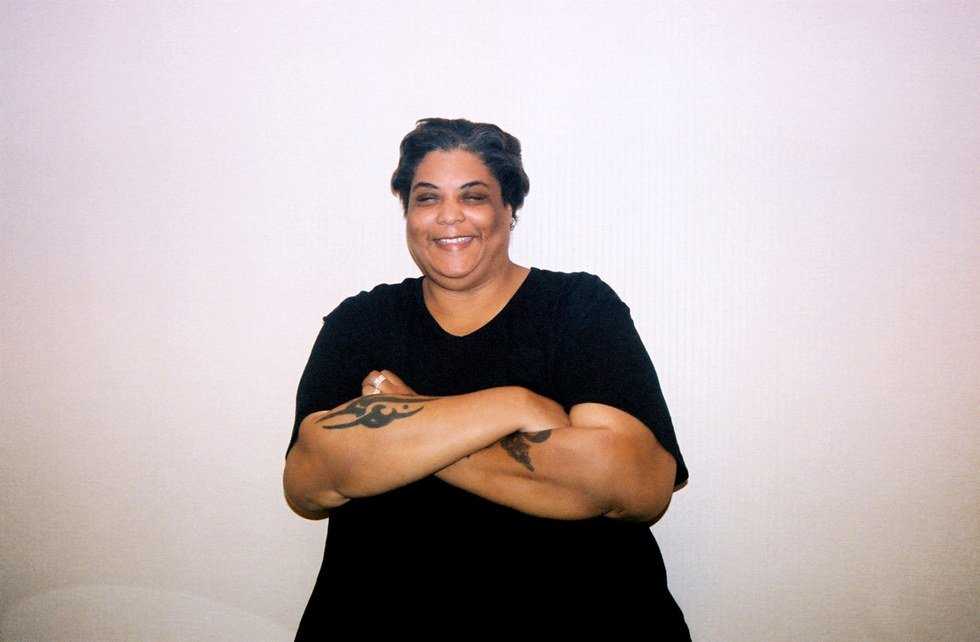
Roxane Gay published Bad Feminist in 2014 in a world that was hard and cruel to POC. Some things have changed since 1955, but most things have not.
Both authors, as politically minded, intelligent people, wrote books that included content they were interested in. Gay’s book centers around the idea that being a feminist does not mean you have to be a perfect feminist—as the feminism movement was founded by humans and humans are inherently flawed, it is impossible to be a “perfect” feminist. But as the book goes on, it becomes clear that as a black woman, Gay must include discussions of race into her gender politics. Being black is not something that she can wash off, or hide. She must wear it even when it is hard, or unsafe.
Baldwin’s book, while serving as a memoir, is also a long commentary on various aspects of what it means to be a person of color in the time he lived in, not only in America, but in the places he traveled as well. Because a lot of his life was a direct result of being a poor person of color in Harlem, that’s what a lot of his work comes back to.
Both authors have a unique connection to the times they lived in. Gay in particular is extremely tuned in to pop culture, and every essay concerns a different aspect of pop culture that she analyzes with a fresh and smart perspective. Books, reality TV, movies, anything she is exposed to. In Baldwin’s essay "The Harlem Ghetto," he goes into an involved explanation of publications geared toward POC that come from Harlem, their problems and virtues. They saw what kind of content was being released around them and they were critical.
Both of these authors are angry. Sometimes their exasperation is palpable. But scratching through the surface of that is, occasionally, hope. The world they live in troubles them. They point out these injustices and issues calmly and clearly. They want things to change, but a certain cynicism holds them back.
Their frank discussions of race in our society are inspiring and engaging. However, this is a discussion in which I can only participate on a limited level. The fact is, I am a white passing Native American woman who benefits hugely from white privilege at every juncture of my life. I can speak to what I perceive as injustices and support those I believe are doing good things for POC in America, and I can use my white skin to speak to those who wouldn’t listen if I was any other way.