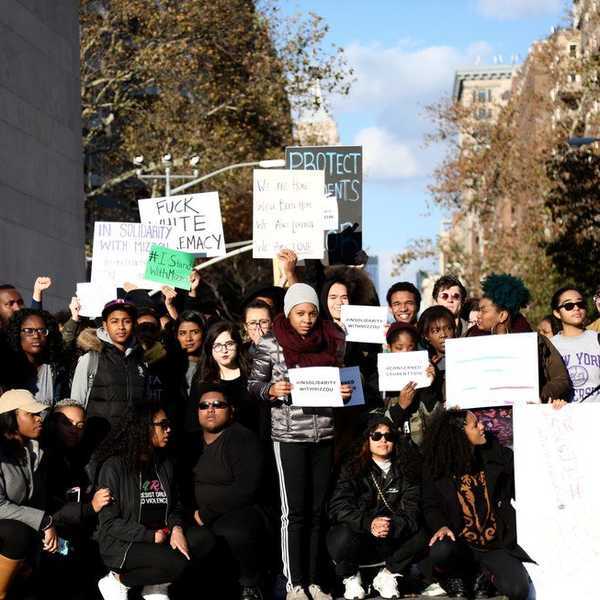
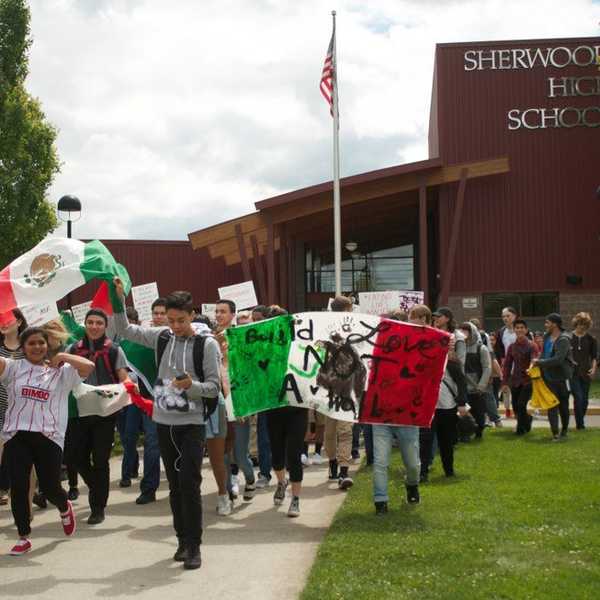
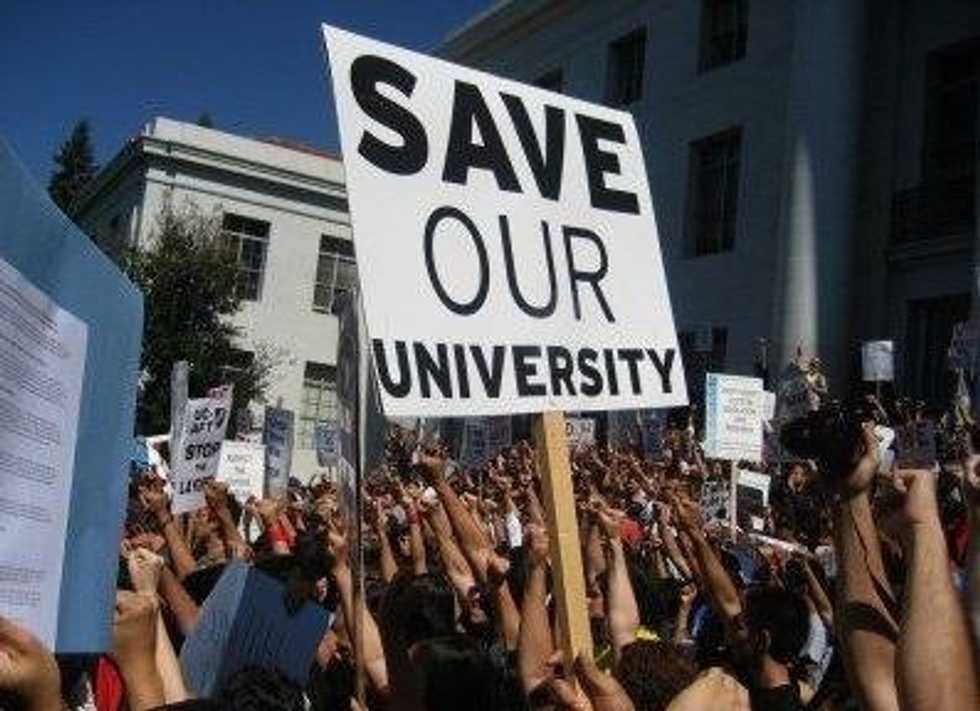
Protests, rallies, and other forms of activism are nothing new to college campuses. Many of the anti-war and civil rights reform movements that occurred during the 1960s in the United States were instigated by university students and gained momentum on college campuses. Commonly referred to as “The Youth Movement,” these protests and demonstrations were largely driven by antagonism to the Vietnam War and repeated offenses against the rights and freedoms of minority populations. Although the majority of these movements faced forcible suppression by either university administration or the police, students across the nation had discovered the promise in their potential to influence the way in which certain issues were viewed and subsequently addressed.
College campuses continue to serve as centers for social activism, with recent controversies concerning sexual assault and police brutality rising to the forefront of such movements. In August 2014, Columbia student Emma Sulkowicz launched a senior thesis project of carrying the mattress on which she was sexually assaulted around campus to protest the college’s failure to take action against her assailant. Hundreds of her classmates soon joined her, as did those at reportedly more than 130 campuses across the country. Students made headlines when they stacked 28 mattresses outside Columbia president Lee Bollinger’s doorstep and again when they supported Sulkowicz as she carried her mattress across stage to receive her diploma. Sulkowicz’s story is one of many in which college students across the country have rallied together through anti-rape demonstrations, sit-ins and banner campaigns to condemn the handling of campus sexual assaults.
Meanwhile, the fatal shooting of Michael Brown in Ferguson, Missouri, has started a nationwide outcry against police brutality, with hundreds of college campuses joining the movement by organizing protests and “die-ins” in demonstration of their support. While students have reacted to the aftermath of the shooting in solidarity with the rest of the nation, their actions have served a greater purpose in that they have united our generation in order to raise awareness and to promote change. College campuses thrive on the notion that students' voices be heard. The ability to act as one on a college campus has provided students with a more visible and more unified platform to advocate for a cause.
Whether it be an issue within our own communities or a nationwide debate, our generation is perhaps the most influential when it comes to inciting change. We have a responsibility to not only support what we believe in, but also to challenge what is unjust. After all, we are the future.