Actress Ellen Page ("Inception," "Juno," "X-Men") and her best friend Ian Daniel have a new show called "Gaycation" by Vice Media where they travel to various places around the world to find out about the experiences of LGBTQ+ folks in those places —to get a more global perspective on the community. The first episode, which aired recently, took us on a trip to Japan.

There are so many wonderfully positive things about this new series (judging from the first episode). Audiences begin by visiting the “gayborhoods” of Japan at night. We get a little taste of everything. There are clubs similar to what we’re used to in the United States — filled with people dancing, drinking, and enjoying themselves. We also are taken to quieter lounge-type places, and the nighttime tour ends at a bar specifically for trans people as well as others (mostly cisgender, straight men) who aren’t necessarily trans but want to explore crossdressing. Throughout the tour, the audience learns about the history of Japan’s LGBTQ+ nightlife district and meets lots of warm, friendly, spunky people. One of my favorite parts of the bar crawl is when Ellen Page has a sudden moment of being super flustered after leaving the lesbian bar, “Hehehehe pretty girls.” It’s awesome, she is freakin’ adorable.


After experiencing queer nightlife, the audience is taken through Japan in the light of day, and Ellen and Ian really seek to learn exactly what it’s like to be a queer person in Japan on a daily basis. They explore the prevalence of gay sex in Manga, which is widely read and accepted. We find out that although it’s good that queer sexuality is represented through this medium, Manga in combination with other forums have exploited gay sex into a sexual fantasy for straight folks rather than creating acknowledgment and acceptance for real-life queer folks. Many Japanese people interviewed in the show mentioned that gayness seems to only exist in fantasy and in far off places, but few people in Japan talk about the lives of queer folks or acknowledge that there are people in their immediate surroundings who are queer and have unique experiences because of their queerness.
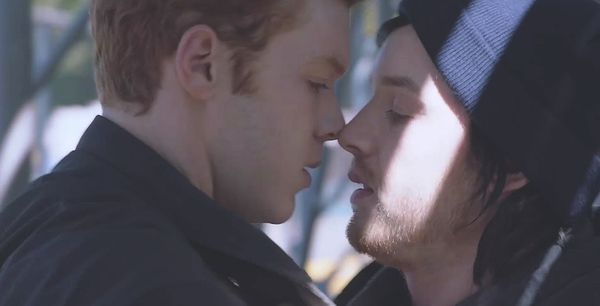
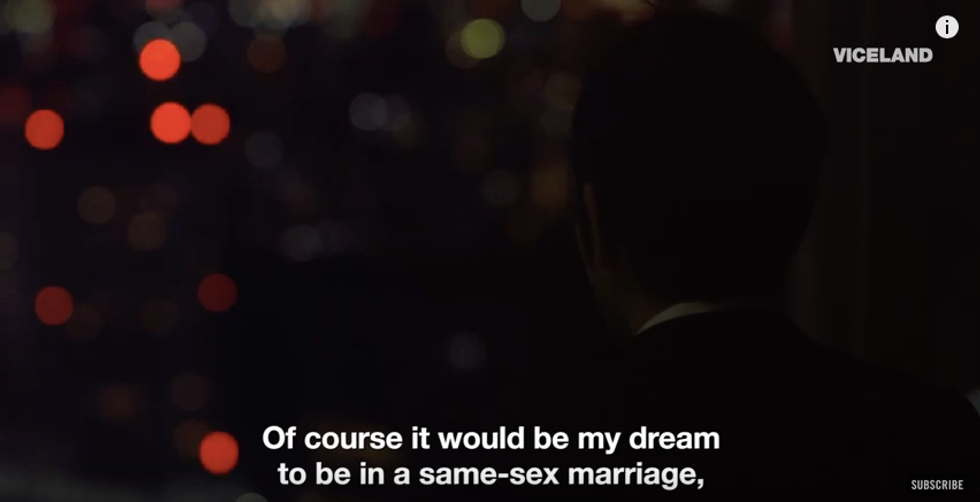
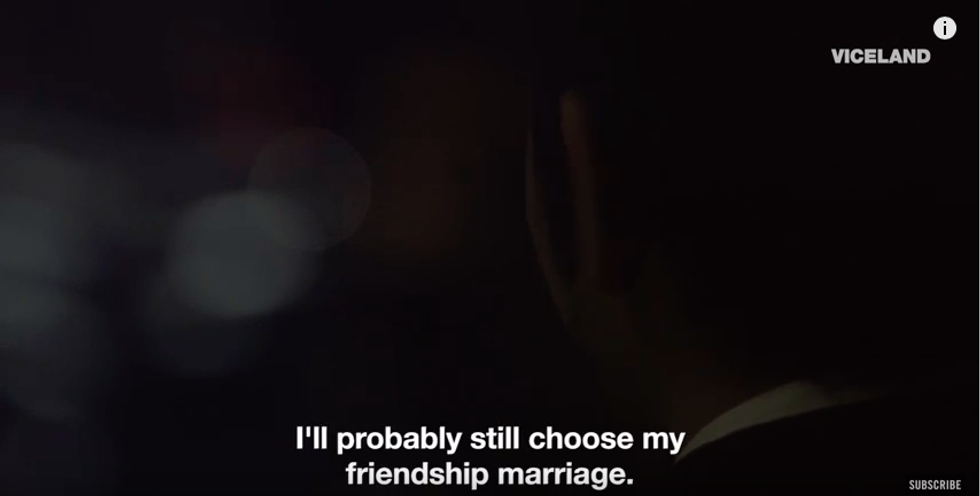
Ian and Ellen also conduct interviews with an openly gay couple, and anonymous interviews with closeted people who feel that they need to be in fake “friendship marriages” to prove to their family and friends that they are straight and acceptable to society. The opposite-sex “married” people live together and sometimes greet one another if they happen to cross paths in the house, but other than this, they are often complete strangers who participate in this charade together and live together. It’s hard to believe that the social stigma around queerness is so horrendous that this is necessary.
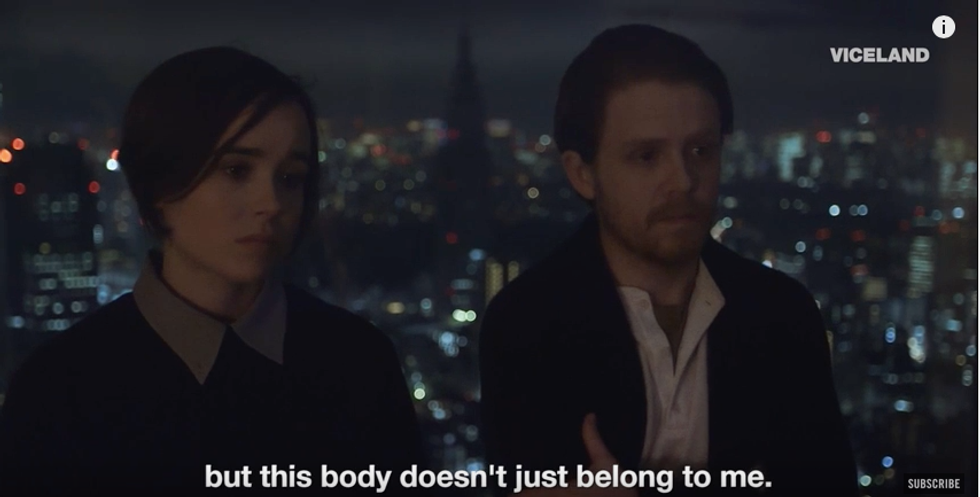
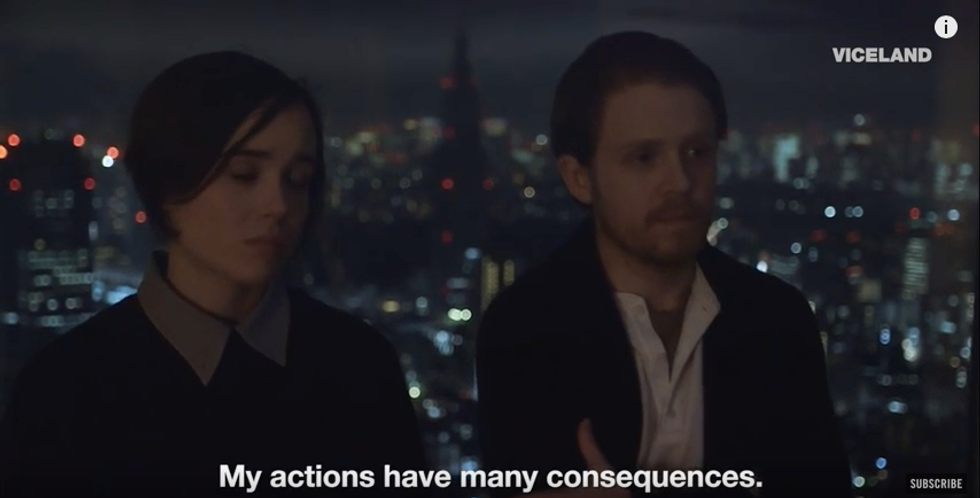
Ellen and Ian sat down with one of the only politicians in Japan openly fighting for the rights of LGBTQ+ folks (Kanako Otsuji). They even get to sit with a young Japanese man while he comes out to his mother. The coming-out scene was probably the most remarkable part of the episode, and I don’t want to spoil it, so I’ll just say that it is really touching.
This show is really wonderful in the richness of the personal experience it gives the audience with the queer people of Japan in such a short period of time. I think a lot of times, we’re all so busy talking about what’s going on in the United States and the issues relating to queer rights here, that we forget that people, specifically queer people, in other countries exist and struggle with some similar things as we do. Their experiences are so similar to ours, as queer folks, in a lot of ways, but they’re also worlds different, and they go through things we’d never realize or understand without traveling to Japan — whether personally or through a television screen.
Like every wonderful piece of information or entertainment, though, there are definitely problems with this show, and although it is far more positive than anything else, I feel it’s still important to point out the ways it is lacking.
First, when Ellen and Ian refer to the LGBTQ+ community, when saying the acronym, they only ever say “LGBT,” which leaves out folks who identify as queer, intersex, and pansexual at the very least. It’s kind of old school to just stop at the “T,” because there are so many more people than just lesbians, gays, bisexuals, and trans people. The use of the acronym in this way kind of makes me think that Ellen and Ian aren’t super familiar with much beyond the four letters, and for two people who are traveling the world to study queer people, that's kind of a problem.
Along these lines, the terms “LGBT” and “gay” are used synonymously by Ellen and Ian, and in reality, they’re not necessarily synonyms. The show is called "Gaycation," but Ellen says multiple times that the goal of the show is to figure out what the experiences of “LGBT” people and “queer” people are, which suggests a broader goal than just a focus on gayness. So, I kind of wish they would just do one or the other. They either need to own up to the fact that the focus of the show is specifically on homosexual behaviors and people who specifically identify as gay, or they need to broaden the focus to the experiences of gay people and trans people, intersex people, genderqueer people, etc. The only time the focus is not specifically on gayness is when Ellen and Ian go to the bar where trans people and straight men who crossdress hang out, and Ellen makes a comment about how gender expectations and binaries are stupid. But that’s it.
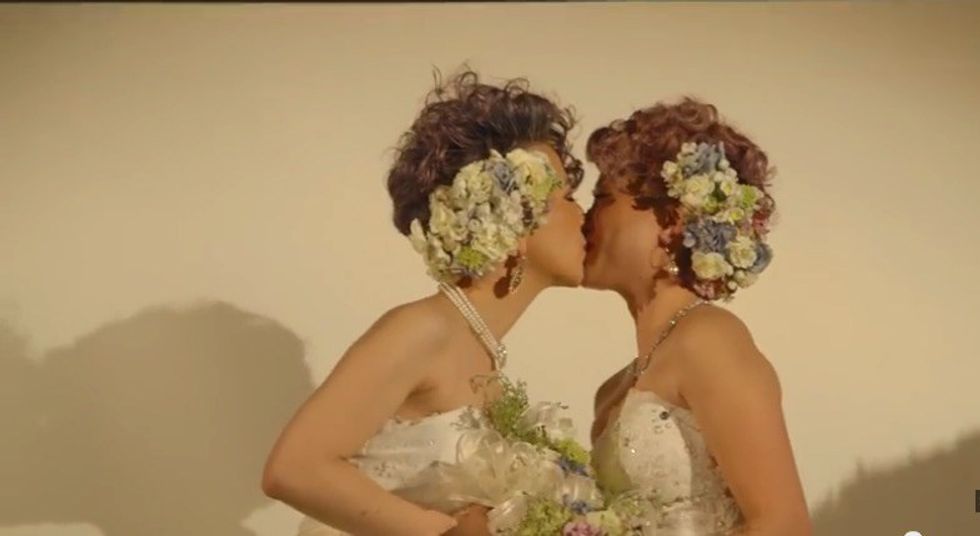
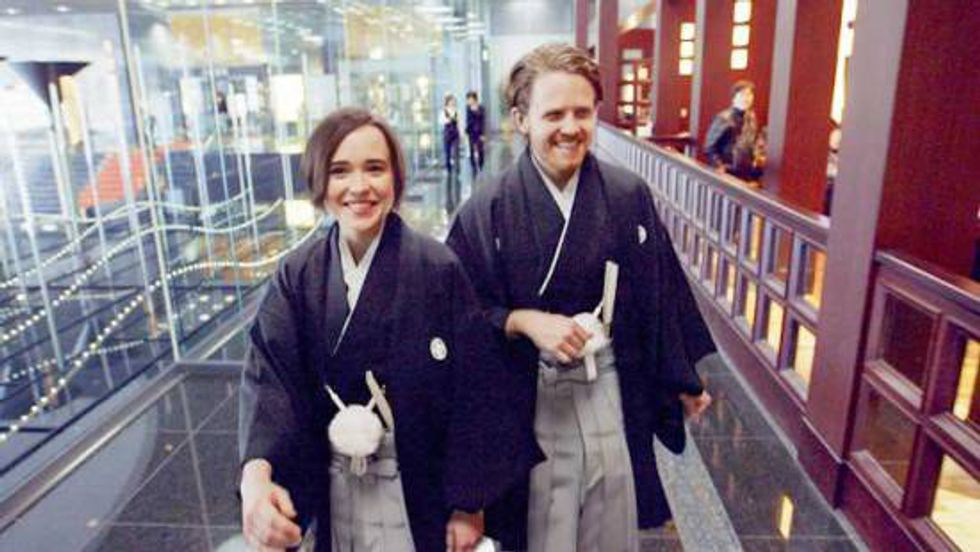
There is also a scene where Ellen and Ian are learning that although same-gender marriage is not legal, there is a monk in Japan who performs religious ceremonies for queer couples. To understand this better, the two put on the ceremonial clothes worn by couples who are participating in these ceremonies, they go through the actual ceremony, and actually get married to one another. This was a problem for me because it was assumed that they weren’t doing it for real, even though they went through all of the sacred religious practices that couples go through when they do this. It may not be that much of a problem, but I don’t see why they couldn’t have just watched a couple get married instead of doing it for fun themselves. Just seemed a little disrespectful in my eyes.
Finally, the end of the episode. One of the very last pieces of dialogue in the episode is Ellen condemning people who don’t validate the identities of queer folks, and she says, “being gay is not a choice… why would someone make that choice?” And that’s the stuff we’ve all been hearing our whole lives. “Born this way.” “I’ve always known.” But, many sociologists and people who study sexuality and gender will argue against essentialist language like this. Many people think that being queer is only okay because people “can’t help it.” This is a flawed way to think about it. On the contrary, being queer is okay because being queer is okay. And it’s true that a lot of queerfolks feel that they have known that they were gay or trans since they were very young. But some haven’t. Some figure it out far later in life. The moment that someone decides, for example, to act upon their feelings for a person of the same gender, is not the moment when all of their previous straight experiences are no longer legitimate or real. It’s not like if you’re queer now, you must’ve always been queer before and you must always be queer until the day you die. Some people are probably going to freak out about this next sentence, because it entirely goes against the way queer people are represented and talked about, and is often said by conservative people to devalue queerfolks. But, being queer can be a choice. Some people feel like playing with gender or pursuing relationships with people who aren’t the opposite gender as them, not because they came out of the womb knowing that that’s who they were. But because they want to do it, right now, in this moment. So they do. And that doesn’t make them any less queer or any less acceptable than people who have always known.
Anyway, that’s all for this week, folks. I would really recommend this series, it’s super informative and interesting (and Ellen Page is just about the cutest human in the world). You can watch the episode here. Thanks for reading!