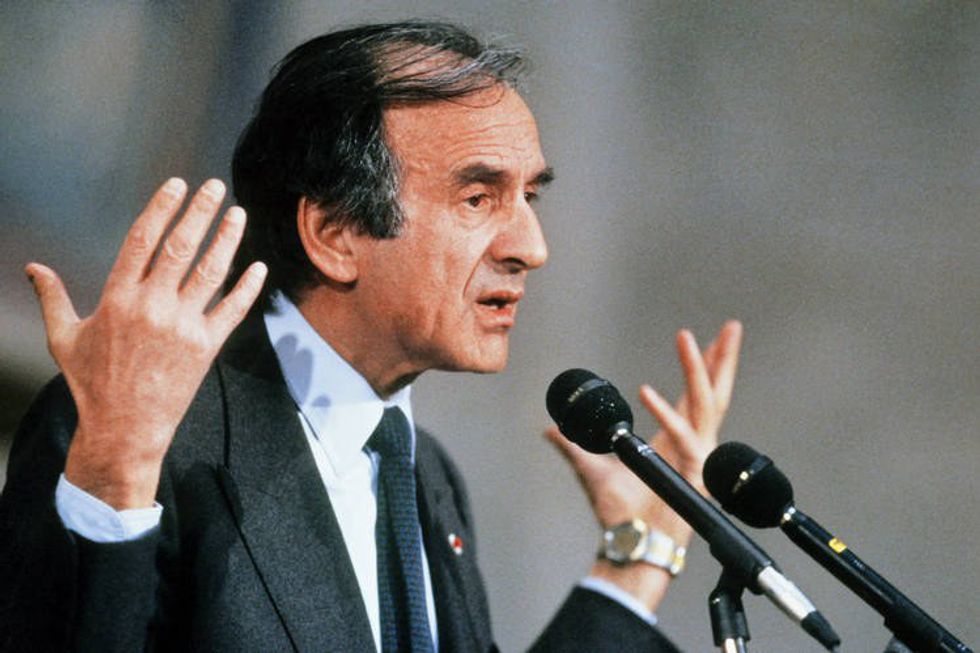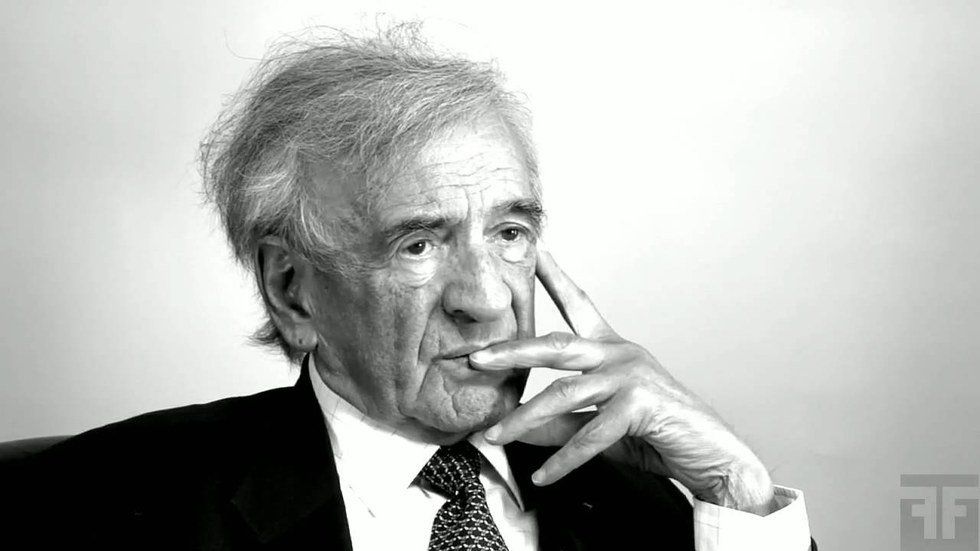
The world recently lost Elie Wiesel, an incredible author, political activist and winner of the Nobel Peace Prize. He was a survivor of the Holocaust (accounted in his memoir "Night," which is one of my personal favorites) and fought for human rights, equality and peace. His story, work and aspirations are truly inspiring! Listed below are quotes from the enlightening Elie Wiesel that will be forever cherished.
“The opposite of love is not hate, it’s indifference.”
“Just as man cannot live without dreams, he cannot live without hope. If dreams reflect the past, hope summons the future.”
“People say occasionally that there must be light at the end of the tunnel, but I believe in those times there was light in the tunnel. The strange way there was courage in the ghetto, and there was hope, human hope, in the death camps. Simply an anonymous prisoner giving a piece of his bread to someone who was hungrier than he or she; a father shielding his child; a mother trying to hold back her tears so her children would not see her pain — that was courage.”
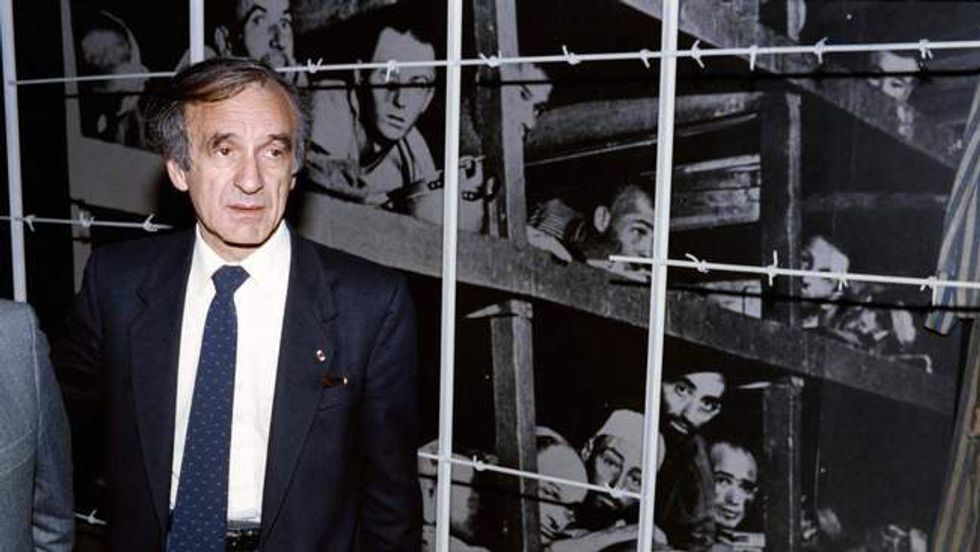
“I cannot cure everybody. I cannot help everybody. But to tell the lonely person that I am not far or different from that lonely person, that I am with him or her, that’s all I think we can do and we should do.”
“In the final analysis, I believe in man in spite of men.”
“Whoever listens to a witness becomes a witness.”
“For in the end, it is all about memory, its sources and its magnitude, and, of course, its consequences.”
“For us, forgetting was never an option. Remembering is a noble and necessary act.”
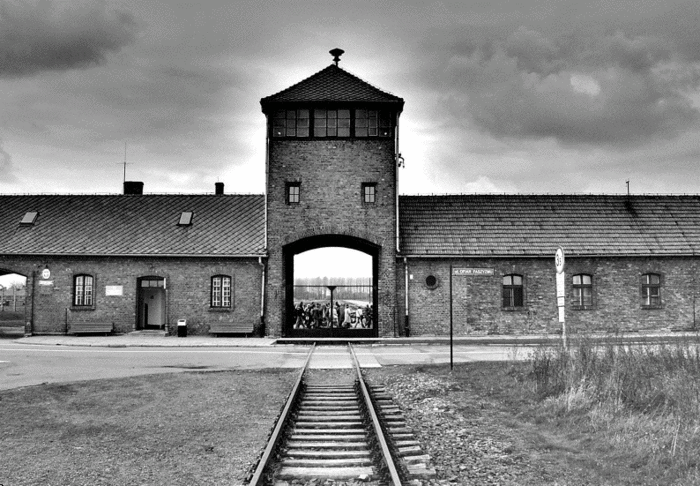
“Walking among the dead, one wondered if one was still alive. And yet real despair only seized us later. Afterwards. As we emerged from the nightmare and began to search for meaning.”
“Words can sometimes, in moments of grace, attain the quality of deeds.”
“There are victories of the soul and spirit. Sometimes, even if you lose, you win.”
“There is divine beauty in learning, just as there is human beauty in tolerance.”
“I was a body. Perhaps less than that even: a starved stomach. The stomach alone was aware of the passage of time.”
“From the depths of the mirror, a corpse gazed back at me. The look in his eyes, as they stared into mine, has never left me.”
“Even if only one free individual is left,
he is proof that the dictator is powerless against freedom.
But a free man is never alone; the dictator is alone.
The free man is the one who, even in prison,
gives to the other prisoners
their thirst for, their memory of, freedom.”