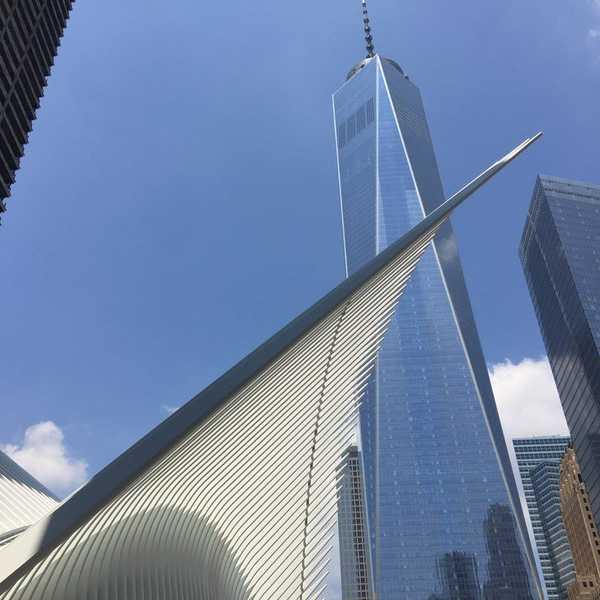
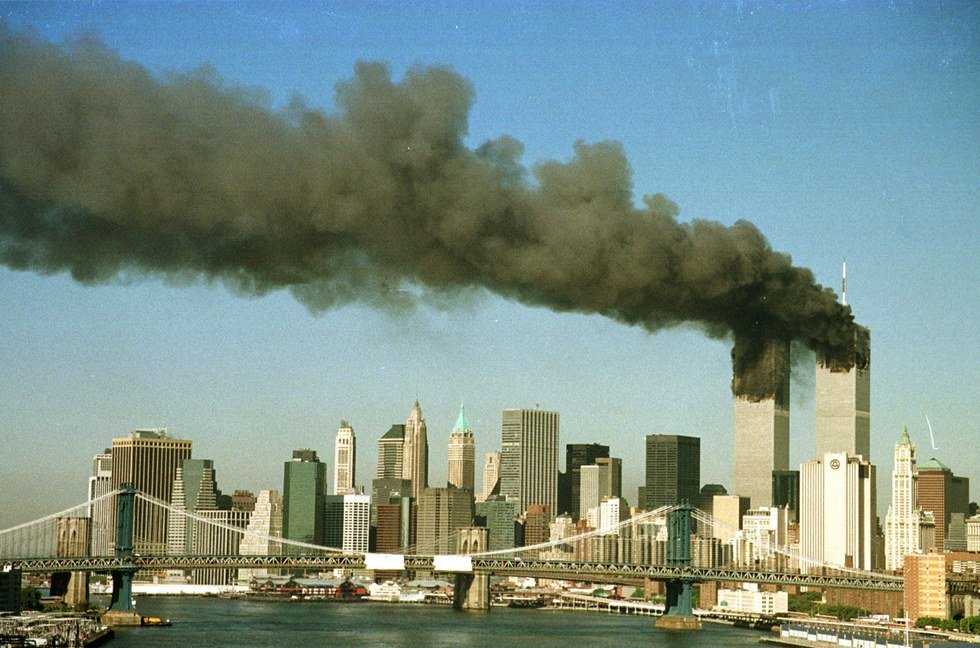
"At first I was in disbelief. I thought it was a joke; I couldn't wrap my head around it. That's when I turned on the TV and saw all the coverage." Chris Botti, a 26-year-old witness who was less than six miles away from the tower when the attack happened shares his experience of the 9/11 attack. "In the days after the attack a haze or smog lingered. You could see the left over black smoke," he said. "The smell of rotting corpses was also very noticeable even six miles away."
Like Chris, we all remember exactly what we were doing when we learned that our nation was under attack. The psychological term for this is called a flashbulb memory. We call this terror.
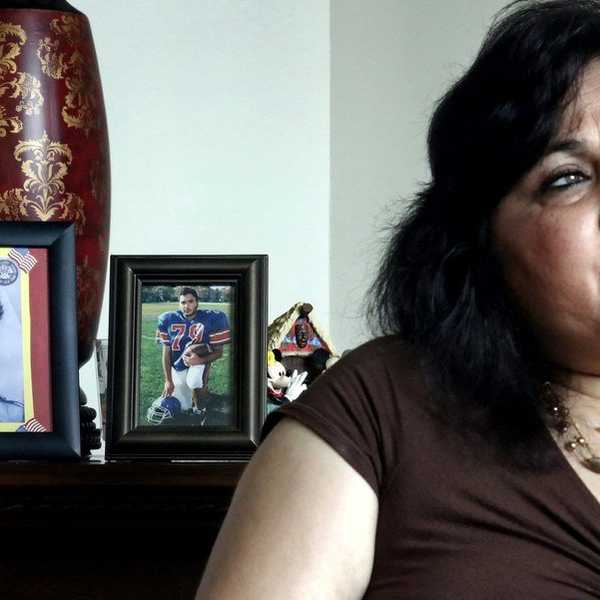
As a nation, we experienced the same event in different ways. In order to remind us of the atmosphere from the attacks, I looked to citizens who vividly remember them.
Kathryn Isaac, who was about 6-years-old at the time, was living nearly two miles from the Towers.
"The smoke was right near my window," Isaac said. "What was really memorable for me was seeing papers from the offices fly by my window."
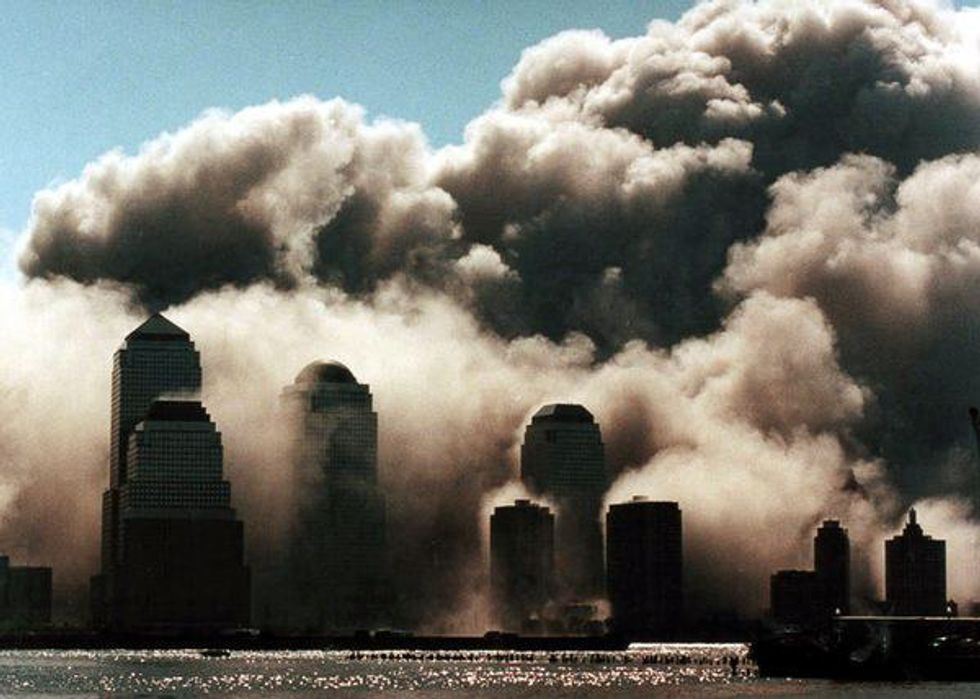
Ryan Humphrey, a 5th grade teacher who had a class to himself for the very first time that morning elaborated on the emotions brought on by the attack.
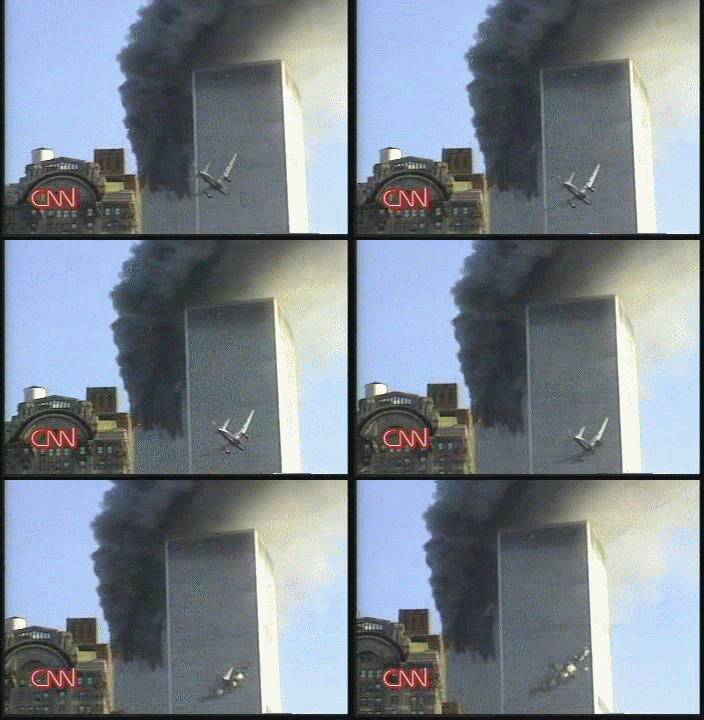
"It wasn't until the second plane that anyone thought I felt like this was bigger than a large plane crash," he said. "It felt surreal."
Selena Roses was living in Brooklyn at the time. She stated that you could even see ash from her house, which made her realize the size of this attack.
"The atmosphere immediately changed because people were scared," she said. "Nobody felt safe."
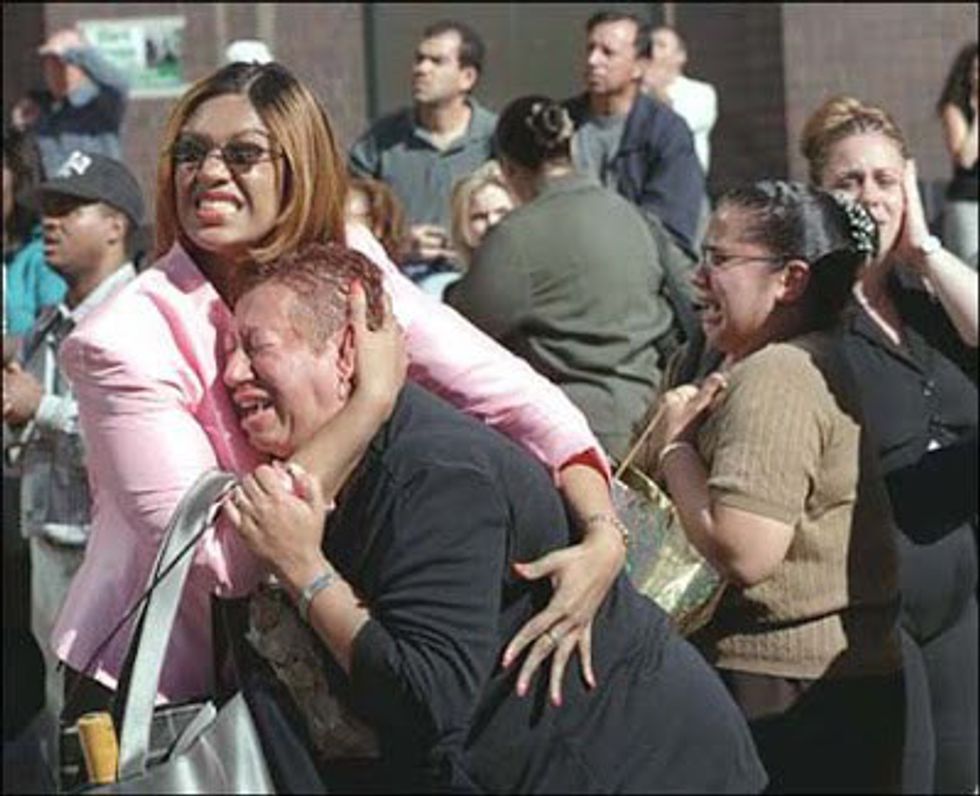
All of these people are just like you and me; U.S. citizens that vividly remember. It seems as if we will never be able to forget the attacks that took place on September 11, 2001. We have seen the smoke towering over our country, we watched as a second plane crashed into the tower, we have heard the country songs, we have seen the movies, we painfully watched as the employees of The World Trade Center jumped out of their office windows as they would rather die from impact than heat.

It is burned into our memory, our hearts, and our lives, and we will never be able to forget the fear, the pain and the united culture that 9/11 brought us.
We also remember how the aftermath of the attacks seemed more significant than the attack itself. Our country had been attacked; and our citizens suffered.
From the firefighters, policemen, pilots, passengers, employees, and bystanders our country lost nearly 3,000 people. The attack created nearly 1,300 orphans and caused over 422,000 New Yorkers to suffer from Post Traumatic Stress Disorder.
While describing the city for a significant amount of time after 9/11, Arielle Kaplan said "it felt like a dark, heavy cloud was floating above the entire city." Humphrey added by saying, "The tone in general sank and felt monotone. No one seemed to have any emotions at all. It was just an empty tone and atmosphere."
We can't deny that 9/11 hurt us and negatively affected our nation. More importantly, we can't deny that 9/11 brought the United States together more than we could ever imagine; we finally had a sense of what the word "united" meant.
"Everyone was picking up the pieces of 9/11, literally and figuratively," Isaac said.
Do you remember the U.S. flags that newspapers across the country printed? You could walk up and down your street and see that newspaper flag taped in every window.
Do you remember the vigils? Do you remember the thousands of hours that volunteers put in to restore normalcy? Do you remember watching firefighters attempt to extinguish the fires for days after the attack? Do you recall watching people search for bodies among the remains of what was once known as the Twin Towers? Do you remember the little girl who read a letter that she wrote to her dead father on live television?
There were less than eight people rescued at ground zero, yet we watched as the brave citizens of our countries picked around the ruble in hopes of finding their brothers.
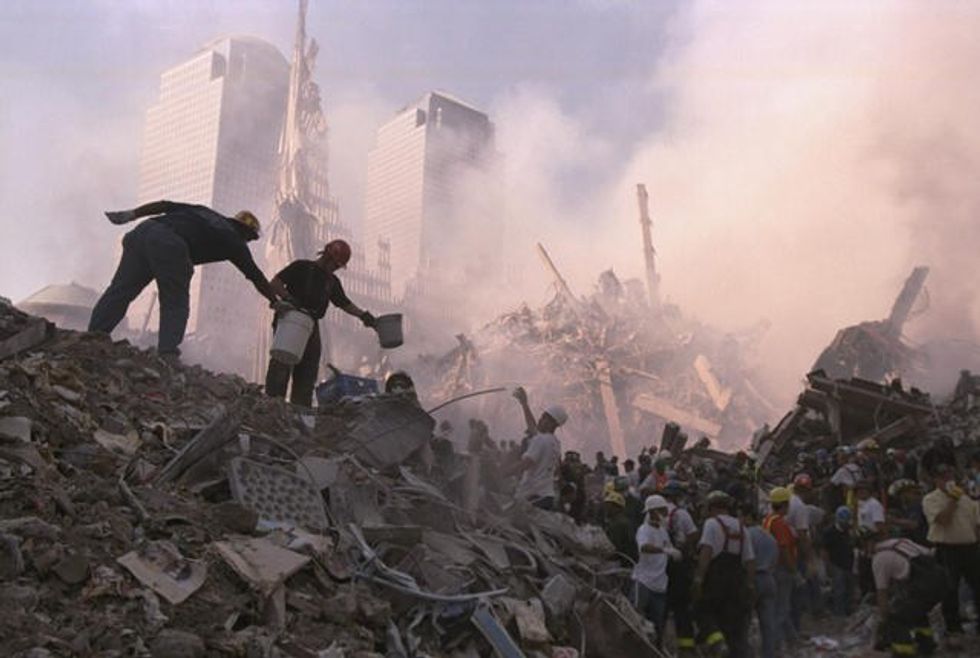
It seems like we will never be able to forget.
As we live through the 14th anniversary of the attacks, however, we need to face the facts. In the United States, nearly 4 million babies are born annually. That's a total U.S. population of 56 million citizens that did not experience the horror. You make think that's alright, because we've always been great at teaching history to our youth, but, quite frankly, we're getting lazy. My mother teaches 12-year-olds in public schools and has told me that she has had students that had never even heard of 9/11. Moreover, each year I see pictures on the internet mocking 9/11 by trying to find humor in the attacks, and it becomes obvious that we are not doing our job as a country to educate our youth.
In HBO's show The Newsroom, an actor gave his reasoning on why the United States is not the greatest country in the world anymore. He says "We sacrificed, we cared about our neighbors, we put our money where our mouths were, and we never beat our chest. . . And we were able to be all these things and do all these things because we were informed. By great men, men who were revered. The first step in solving any problem is recognizing there is one—America is not the greatest country in the world anymore."
Being informed by great men who were revered has allowed our nation to excel in the past and it will continue to allow us to excel in the future.
We remember this day and the unity it brought our country, but we can't fall into the trap of separating ourselves and forgetting anything valuable that this terrible attack brought our country.
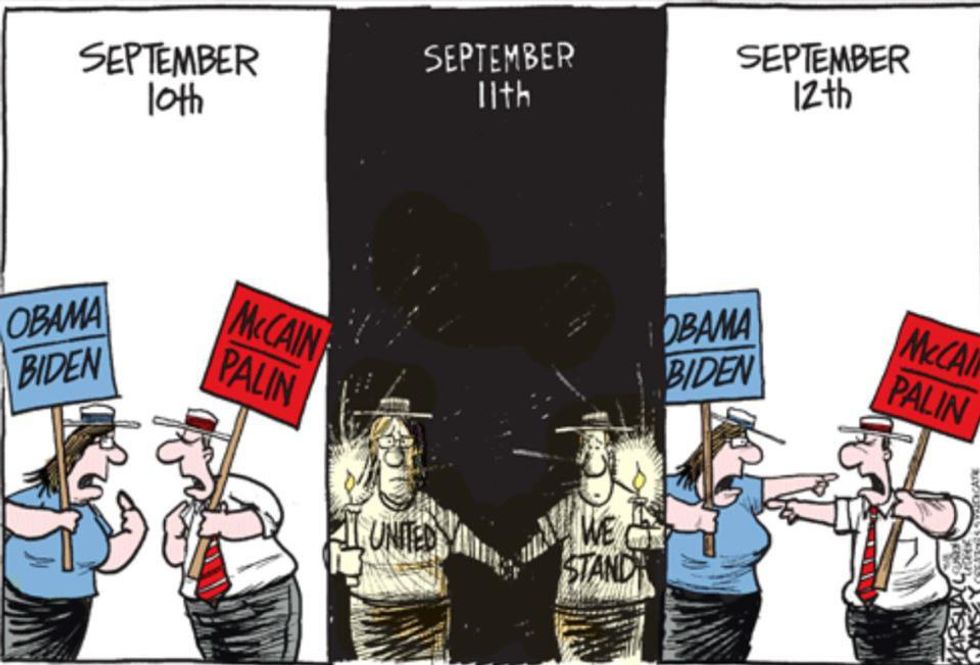
We must never forget 9/11 and how strong we felt as we united. However, more importantly, we must never forget to educate our youth. 56 million citizens are relying on us to educate them, and we are relying on 56 million citizens to empower the United States of America.