

Recently, the term “trigger warning” seems to have developed a bad reputation and become dissociated with its true meaning. What was once valued as a thoughtful means of minimizing mental distress has become a term that many ridicule and disregard as a farce.
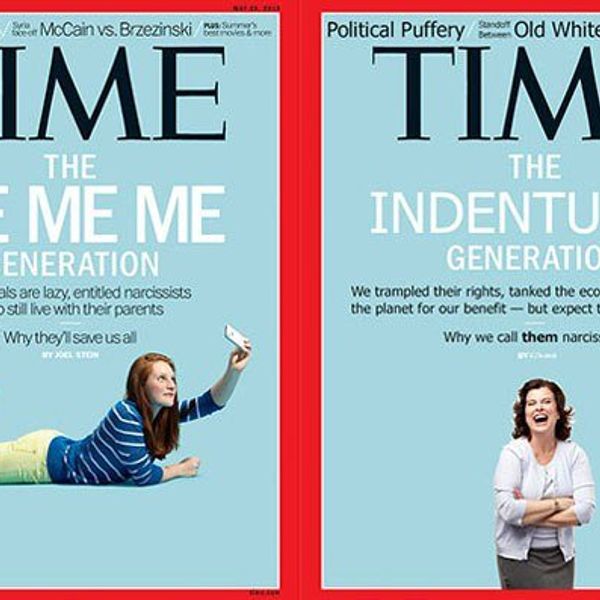
Professors, college students, journalists (and the president too) have associated the idea of trigger warnings on college campuses with the fragility and over-sensitivity of the millennial generation. A quick Google search of the phrase can give you an idea of the significant backlash against its use in the classroom. Of the multitude of articles, blog posts and comments that show up, essentially the main arguments against trigger warnings are that they coddle their students, censor what can be taught, limit freedom of expression and avoid reality. Exactly when and why “trigger warning” lost its value is difficult to pinpoint in this tumultuous debate, but it is clear that the opponents have significant misconceptions regarding its intent. And much like the terms “feminism” and “political correctness,” the meaning of “trigger warning” has gained a negative connotation due to a few extremists, and we must restore its meaning to what it truly stands for.
For one, the use of trigger warnings is not meant to lead to complete avoidance of discussing uncomfortable topics. The idea that advocates of trigger warnings only aim to remove text after text on the syllabus in an effort to avoid reading anything that may be mildly disturbing or challenging is a greatly misconstrued perception. Anyone who experiences feeling triggered understands that it is not possible to go their whole life successfully avoiding their triggers. So complete prevention is not the intention of including trigger warnings. Instead, it is taken as a measure to alert students of potentially distressing content and is, in fact, a benevolent approach to considering emotional well-being. We want our peers to feel supported and safe before, during and after discussing or reading material that might be difficult for them. We do not want to censor our education and we do not want to stop learning. Prioritizing mental health does not equate to having a weak and sheltered mind.
Some argue that the use of trigger warnings in colleges creates an environment that is unlike the reality of the outside world. Barack Obama voiced on the matter, “I don’t agree that you, when you become students at colleges, have to be coddled and protected from different points of view.” Moreover, the authors Jonathan Haidt and Greg Lukianoff in their viral cover story, “The Coddling of the American Mind,” ask, “What are we doing to our students if we encourage them to develop extra-thin skin in the years just before they leave the cocoon of adult protection and enter the workforce?” They argue that “the world beyond college will be far less willing to accommodate requests for trigger warnings and opt-outs.” Such assumptions imply that the world will never change and there is nothing we can do about it. Why must we accept the harsh and cruel world as is? Is it not sensible to raise awareness about mental well-being rather than tell others to “deal with it?" Why not attempt to make changes and build a society that is more understanding and socially sensitive? And why not start with this change in college?
In the string of recent controversies regarding trigger warnings, their real intent has been distorted and has become misattributed to the laziness and immaturity of the college generation (which are misattributions as well). It is necessary that we reclaim the phrase and actively challenge society’s negative perception of trigger warnings.