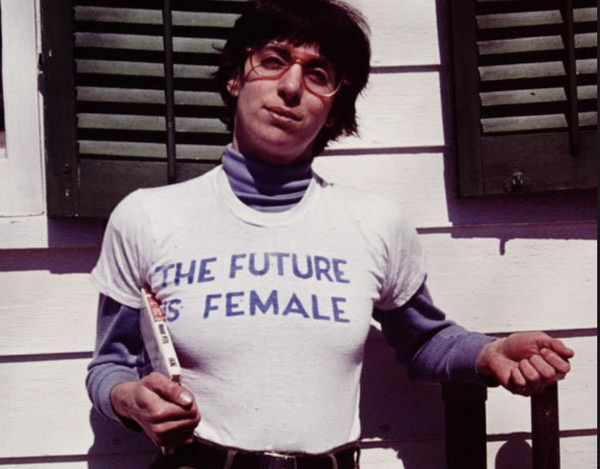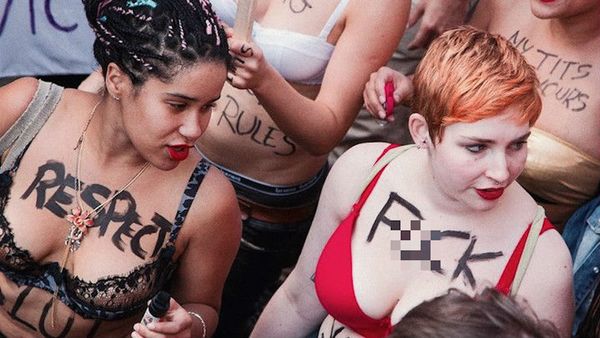

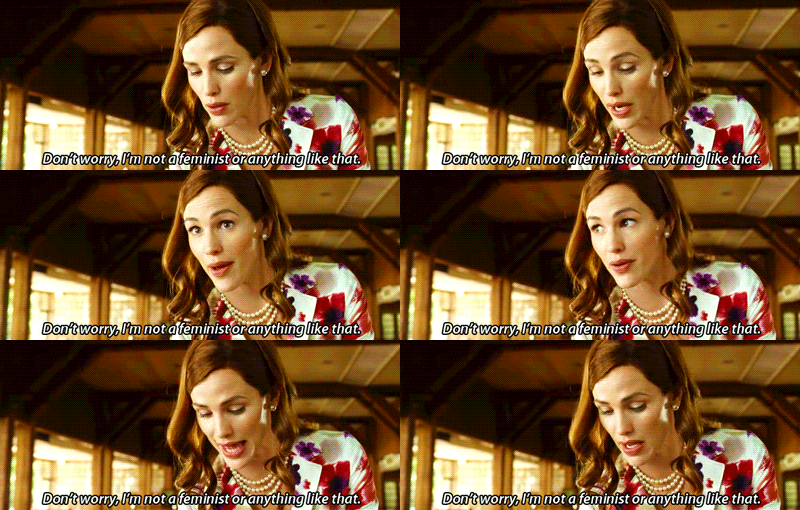
The word "feminist" has become a dirty word in today's society. It's frowned upon and it's been cursed with a negative stigma. In fact, it's always been looked at as being a bad thing. Women who have considered themselves to be a feminist have been called "man-haters," they've been belittled as being called stupid and they've often times been written off off as being lesbians, as though that were a bad thing and as though only homosexual females could be willing to fight for equality. Being a feminist has become an insult, but that's not how it should be. Women fighting for an equal place in society should not be ignored or persecuted. They should be honored and respected as the brave individuals that they are. And it should not be a term that is only used for women. A feminist should be anybody who is willing to fight for complete gender equality.
I've never been ashamed to admit that I was a feminist. I never once doubted myself when I wanted to fight for equality and I never allowed the remarks that women are "already equal" shut me up because I know that those comments are not true. We've come a long way in the fight, but there's a long way left to go.
1. Take a look at some famous feminists.
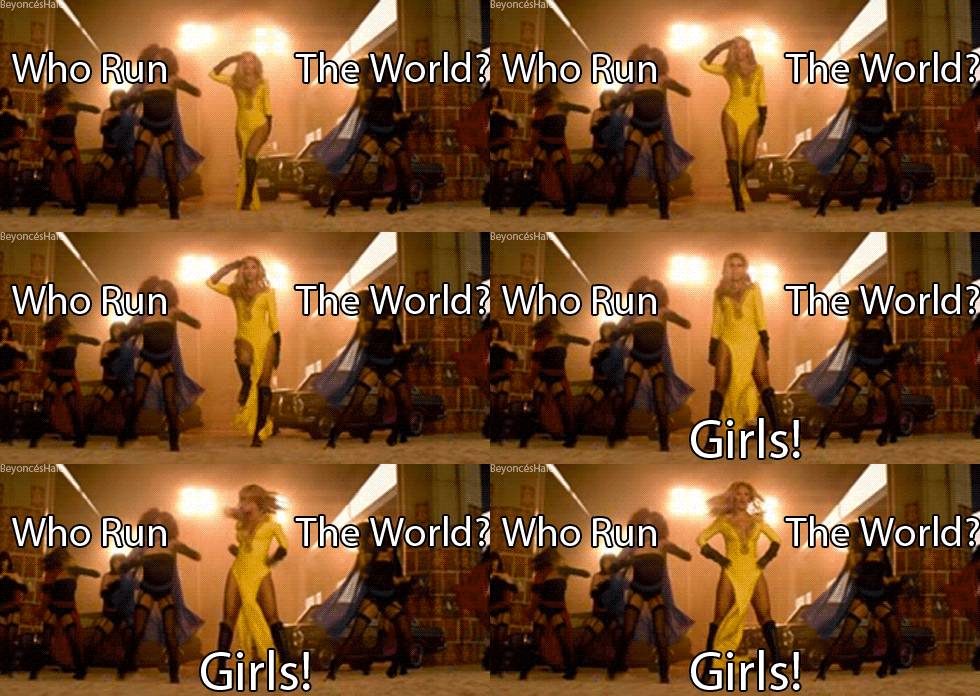
Beyoncé. Elizabeth Cady Stanton. Susan B. Anthony. Look at all of the famous feminists and then try to tell me that being considered a feminist is a bad thing. Seriously, if Queen B is proud to call herself a feminist, then I think we've determined that there is absolutely nothing wrong with that word. Besides, throughout history, some of the strongest females have been feminists. I'm not ashamed to be a strong female and no other girl should be afraid of fighting for what they believe in. Because, if you fight hard enough, then you could be remembered the same way these women are. And, every single time somebody calls you a feminist-no matter how they mean it-remember that they just compared you to these amazing women and so many more. (But, like, they compared you to Beyoncé, so...)
2. The wage gap exists.

Despite the laws about equal pay for equal work, that is not enforced. Each state has it's own wage gap, but the average wage gap in the United States shows that women earn roughly seventy-nine cents to every dollar that a man makes. It differs based on ethnic and racial groups as well, which makes this a problem far beyond gender inequality. It's an issue nationwide because everybody, regardless of any outside factors, should earn the same pay for doing the same work. And the fact that it is universally believed that the wage gap no longer exists despite all of the evidence on the contrary shows that more needs to be done to make sure that government regulations are actually followed and not just used as some sort of political stunt. If there are going to be claims that the wage gap is gone, then those claims need to be supported.
3. STEM.
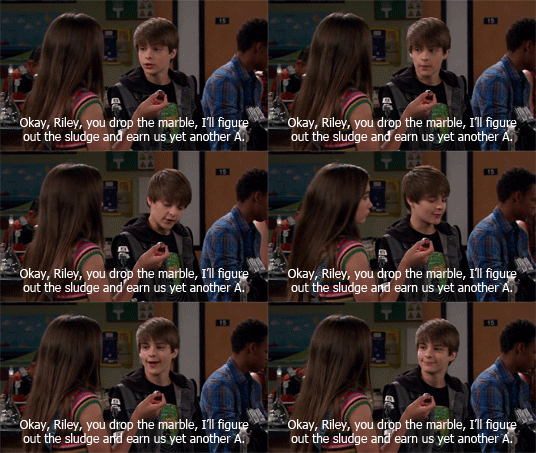
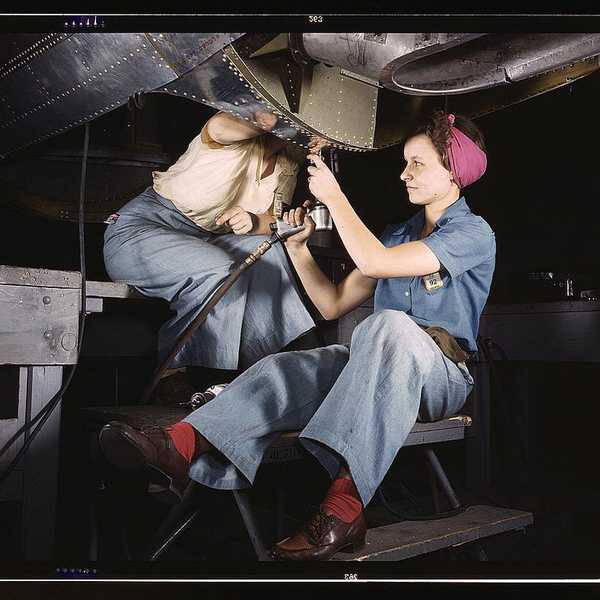
For some strange reason, after middle school, girls tend to drift away from science, technology, engineering and math courses. This leads to the work force in those fields consisting mainly of men. Now, this isn't a fault of anybody in particular, but maybe something should be done to encourage young girls to continue to study in these fields? The longer this goes on, the more the stereotype is going to be made that these are jobs for men. And jobs should not have a gender attached to them. No girl should feel like she isn't capable of doing something just because it's typically done by a man. That is one of the core problems with the system. Girls are discouraged from doing things that are traditionally done by men because they aren't considered to be "lady like." But, this only discourages girls from getting a proper education and that's the problem.
4. The education of a boy is valued more.
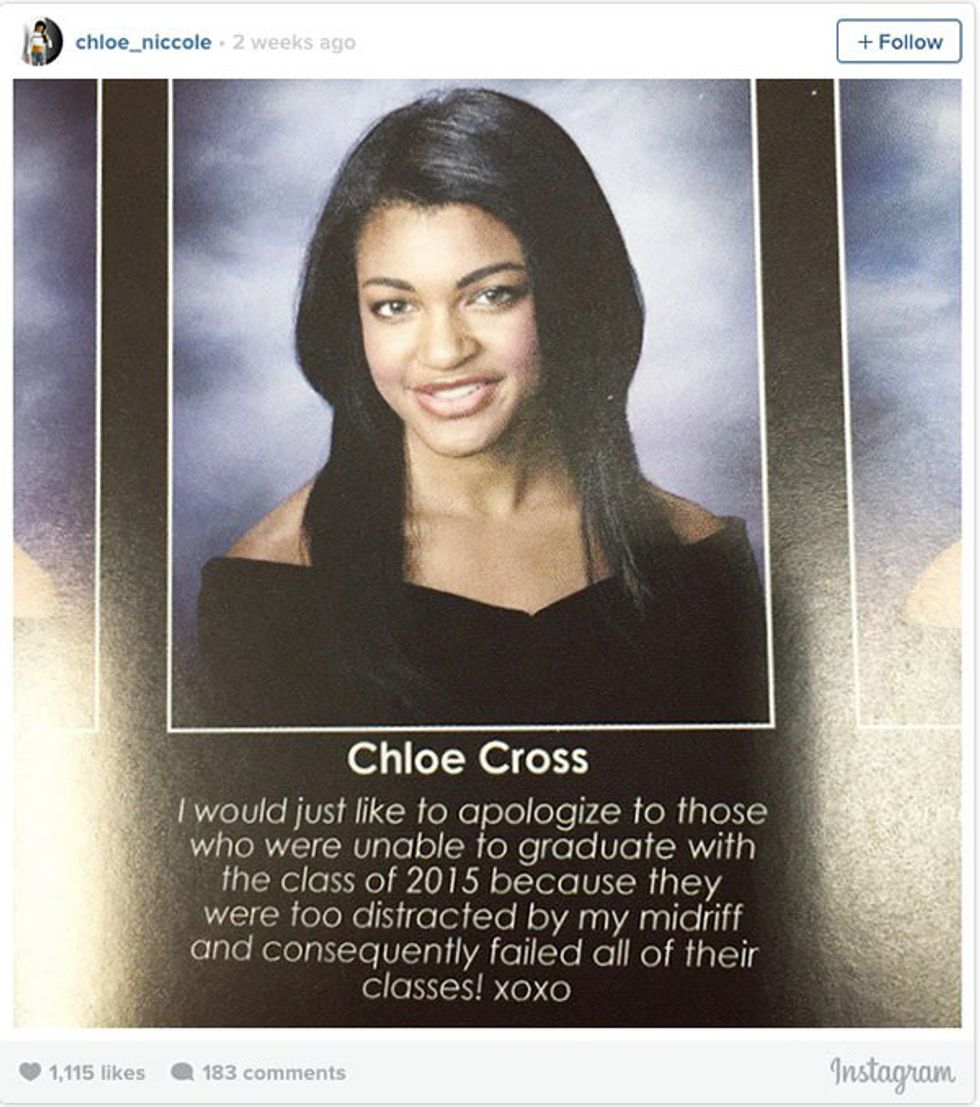
Go through any school's handbook and try to tell me that the dress code is fair. I dare you. Go through any school's handbook and tell me, honestly, that there are as many rules for the boys as there are for the girls. And then try to argue with me that the rules for the girls are 100 percent fair and understandable. Try to argue with me that the reason for the dress code is anything other than a fear that the way girls dress could be seen a distraction. And who would they be distracting? The male students. So, what is done? The school day of female students is disrupted, out of fear that a male student wouldn't be able to concentrate on geometry if the girl sitting in front of him was showing her shoulder. School dress codes target female students and sexualize those who are still minors, out of fear that every inch of exposed skin could be a distraction.
5. Slut-shaming.

The first question that a rape victim hears should not be, "What were you wearing?" and how many guys a girl has slept with shouldn't matter to anybody other than her and maybe any future sexual partners. Due to the culture that we live in, many women are afraid to tell anybody about sexual assault because of the horrible backlash that they might get for what was done to them. Due to the way that society is, girls grow up believing that if they have sex, then they're going to be considered a slut. Whereas if a boy has sex-especially if he has a lot of sex, then they're congratulated. It's a double-standard all around. Victims should never have to live in fear of trying to get the justice that they deserve after an attack. And girls should not be tormented for something that men are praised for doing. Slut-shaming, as a whole, needs to end.
6. The fear instilled from a young age.
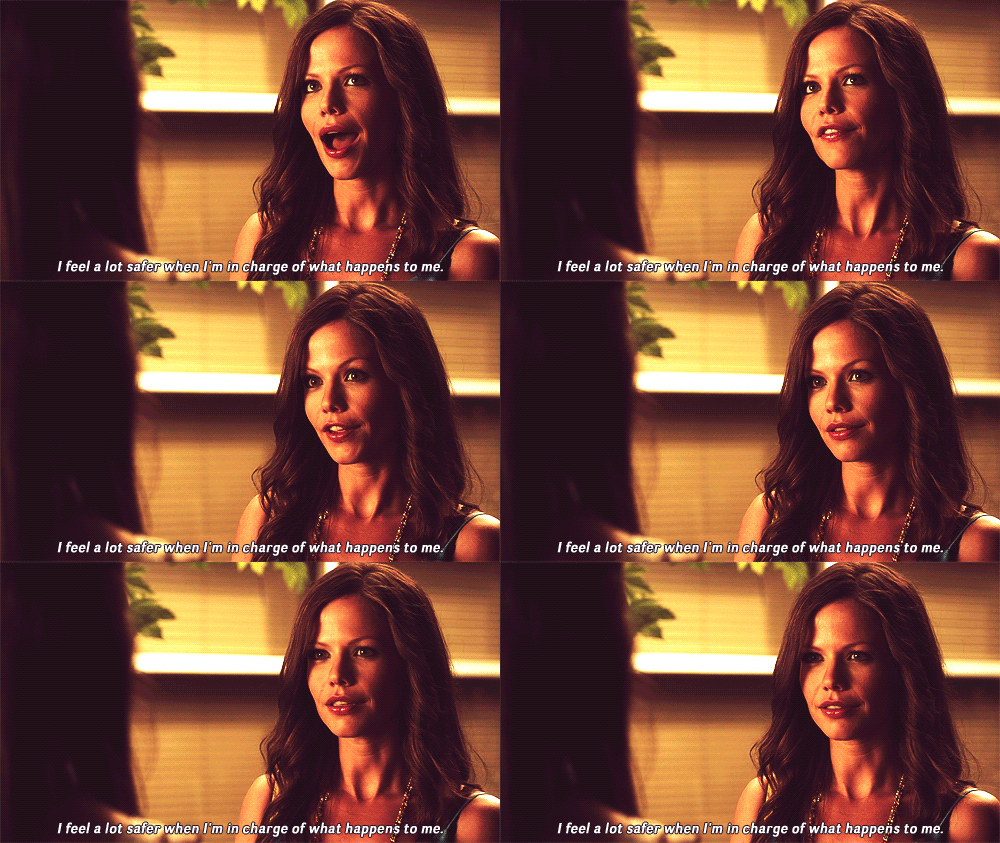
My best guy friend demands that I call him when I walk around my campus at night. My friends always make sure that we head to the bathroom in groups. My mom always told me to be home before dark when I was out with friends. Girls are taught from a young age to be fearful. They're never really told why they should be afraid, but they know that there's something out there to be afraid of. Even now, after almost 20 years without anything ever happening to me, I fear walking alone at night and I'm hyper aware of my surroundings. Why? Because I've heard all of the stories about things that happen to other girls, who thought they were safe because "things that that only happen to other girls" and the stories alone were enough to terrify me. It's a fear that I've never once seen in the guys in my life, but I've seen it in so many girls.
7. The word "bossy."
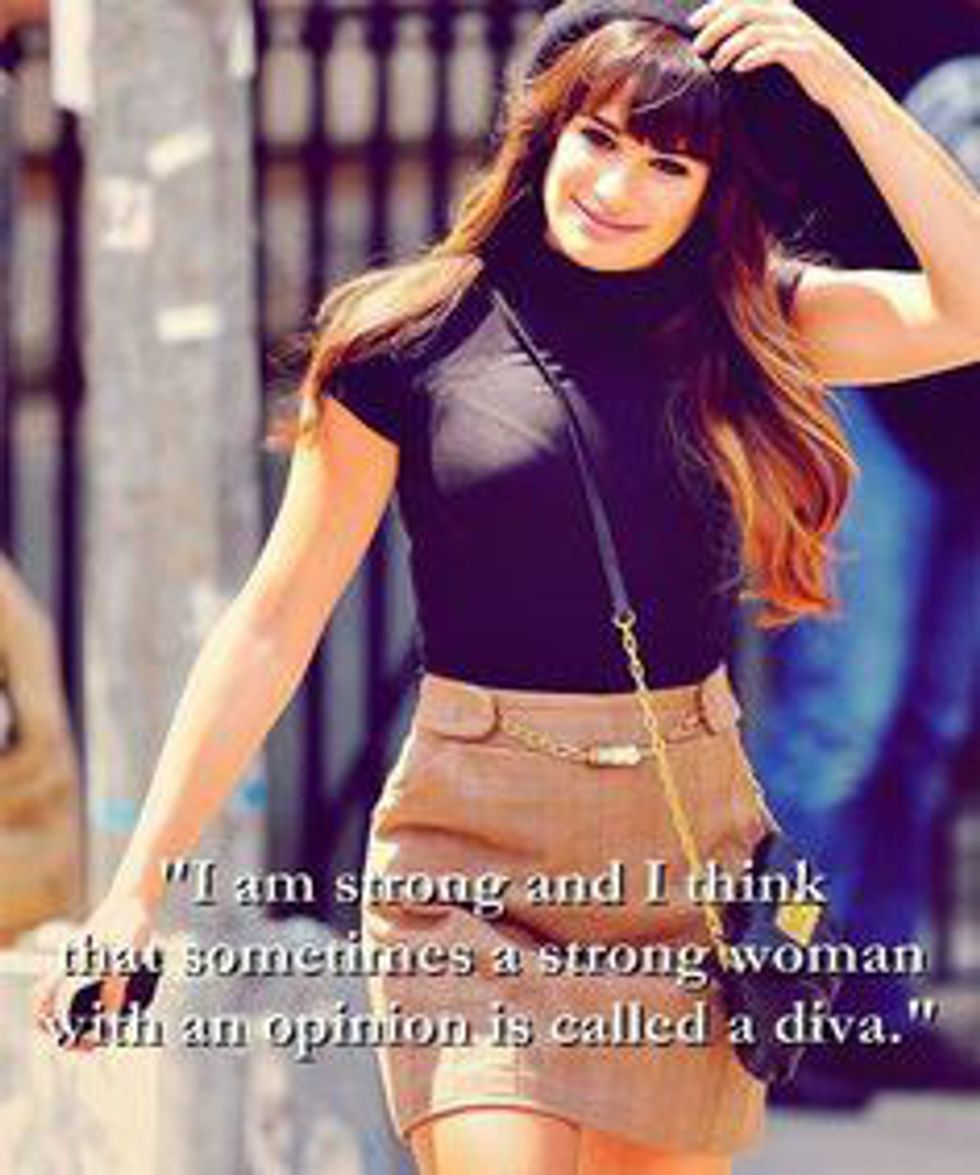
The word "bossy" doesn't even seem to exist for boys. Instead, that word goes to young girls who know what they want and aren't afraid to demand it. There are so many words in the female language like this. Girls live in fear of speaking their mind, because as soon as they try to be assertive, they're called a "b*tch." Why? Because it's not their job to that way. They're supposed to be sweet and quiet, ready to take whatever comes their way. But, why is it OK for boys to demand respect? The same can be said for words like "controlling" or "diva." These are just words, and their meanings could be something so special, so amazing, but instead, they're given to negate strong personality traits in young girls. Being "the boss" is OK, but "bossy" is wrong. "Diva" has a negative connotation to it. "B*tch" is an insult. But, these words are mainly targeted at girls.
8. People don't understand what it truly means.
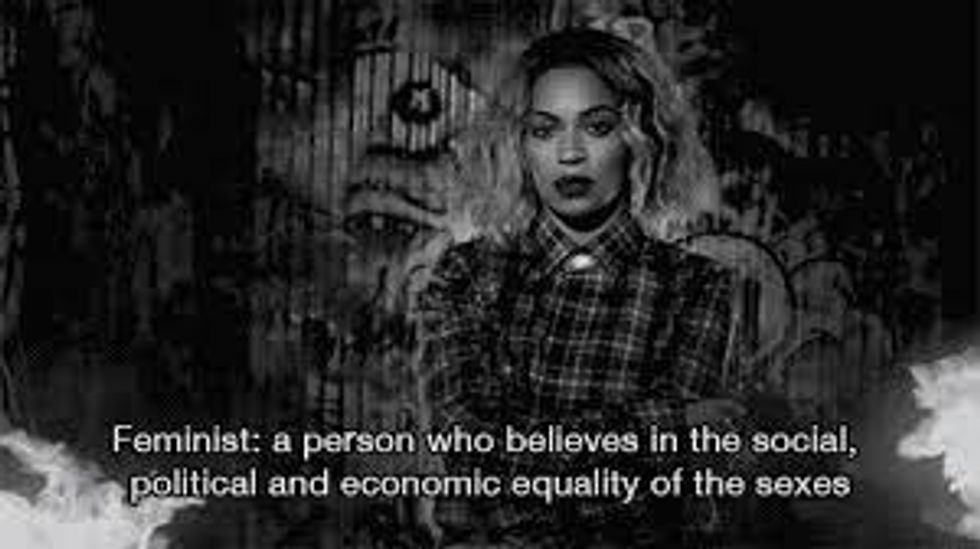
This is not a way for women to try and take over the world. It is not a way to switch the traditional family roles so that men stay home and raise the children while the women work. It is not an attempt to try to make it so that women have it better than men. I know that this might be a hard concept for some people to grasp, but all that feminism is asking for is a mutual understanding of the radical idea that women are actually humans. (I know, it's totally shocking, right?) Accepting feminism does not mean that you think that all men are sexist pigs. It doesn't mean that you hate men. It means that you are aware of the patriarchy and you understand that there are many aspects in our society where women just aren't being treated fairly. Being a feminist means that you want equality between the sexes, not for a tilt in the power. It's asking for equality and that's it.