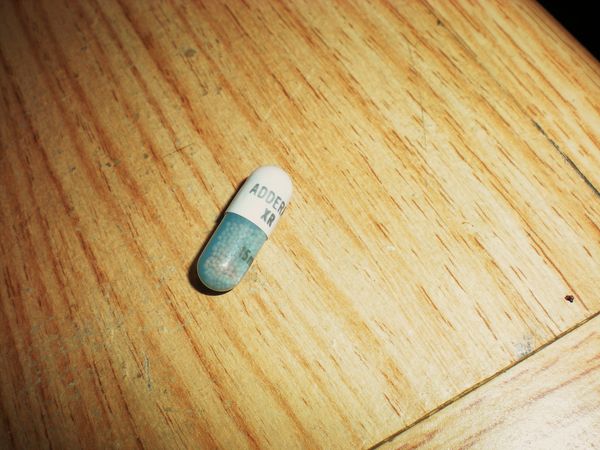
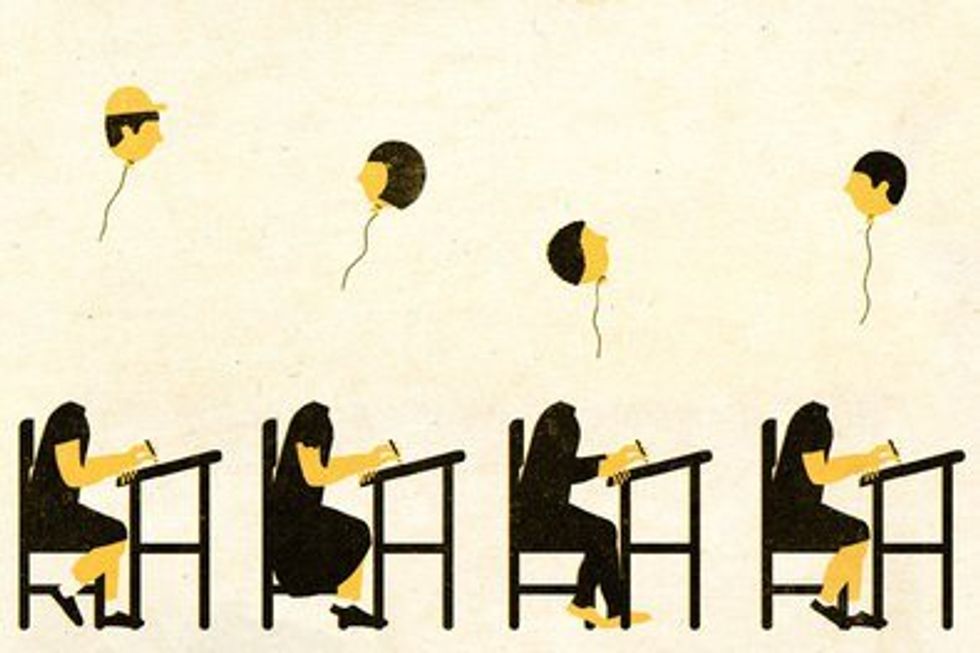
Recently, more and more kids and adults
alike have been diagnosed with Attention Deficit Hyperactive Disorder:
inattentive type, hyperactive-impulsive type or combination type. I’m learning
to manage the inattentive type, which I was diagnosed with near the beginning of the last school year. That means deleting a LOT of junk from my
phone, keeping the Notes app ready and praying I can figure out how to
prevent a train wreck of words every time I speak at length. It’s extremely taxing to deal with from day to day. Imagine the strain of wanting to complete a task and simply being unable to follow through the way you’d like, no matter what, on a regular basis. Worse: imagine trying to manage not getting too deeply involved in too many things when it’s a compulsive habit. Sometimes, symptoms are manageable or even helpful at surface level, but over time, they can become a serious impediment. Until this past year, I had no idea why I was struggling and there are quite a few reasons why.
1. Girls display symptoms differently.

Girls with the disorder tend to be less hyperactive and the intense feelings that often come with this neurotype are internalized under the pressure of appearances. You can read more about it here.
2. Girls who struggle aren’t taken seriously.

Ask anyone with ADHD (be tactful) about what led them to a diagnosis and they'll probably tell you that it was related to school, depending on the timing. The truth is: girl's are held to a higher standard of excellence, in everything. If a girl struggles in school, she'll likely try to overcompensate or rebel, and then her trouble following through will become an unwillingness to follow rules. The pressures of academia put a serious strain on girls that leaves little room for proper assessment.
3. Behavioral stigma holds Black kids back.

If you ever look at articles about mental health in Black populations, you'll likely read about stigma within these communities. It's also important to note that behavioral and academic problems that can point to ADHD are met with harsh criticism and assumed to be the result of poor discipline. As a Black woman, one of two things were likely to happen: I would either push hard and manage a good reputation or push hard to no visible avail. I was lucky and unlucky at once.
4. Debates rage on about the existence of the disorder.

With good reason, people question what it really means to have ADHD. After all, if problems in school is a common indicator, maybe we ought to rethink an outdated system (totally independent of this conversation, we should, but I digress). Even so, it's shown to be physically evident that the brain works differently with the disorder. It's a matter of deciding what exactly makes it a problem: the symptoms or the options offered in school and work.
5. There’s still such a stigma.

No kid wants to believe that they have a disorder. Funny enough, my sister was the first to suggest that I have the disorder, albeit in a really mean way. I thought I proved her wrong by being articulate, studious and involved - and that's a serious problem.
6. I’m hard-working.

I'm not here to stroke my ego, but I'm a passionate person who genuinely wants to challenge myself to do my best. I've developed a maxim for myself: "Do as much as you can while you're well." Between being sick often, having big goals and the societal pressures I've mentioned, I find that it's best to push myself when I can. And when I can't, I'll take a break.
7. I excelled in grade school and high school.

To this day, I struggle the most with keeping up with the demands of homework but can kill a test. I never feared a parent-teacher conference and graduated with scholarships in tow. But college is a whole other beast and I soon found it difficult to keep my head above water. This was a breakthrough for me.
8. One word: hyperfocus.

Hyperfocus is essentially a phenomenon among some people with ADHD that involves being super absorbed in a task or activity. In retrospect, I can see that a great deal of my ability to get ahead in school is the result of this. I once hand-sewed and painted a stuffed doll of one of the beasts from the Book of Revelation using fabric from another stuffed animal. I had never done anything of the sort, but I didn't feel I could take a break until I was done.
9. I’m shy and reserved.

My habit of stumbling over words has less to do with shyness and more to do with the way that my brain navigates and selects thoughts while I'm speaking. I had no way of knowing this, but it make so much sense that I attributed the issue to the wrong source. Yes, I'm shy and reserved, but even around those I'm comfortable with, I struggle to keep things straight when I vocalize my ideas. I'm only boisterous when I'm with friends, and sometimes I just like to hang out in silence, a traitor to my sign (I'm a Leo).
10. Another word: comorbidity.
 Comorbidity is a phenomenon in which several disorders are commonly present together in the same person. They often play off of one another, worsening the symptoms. For example, ADHD and Depression are comorbid disorders. Before I was diagnosed with ADHD, I was diagnosed with depression - as a result, I was hardly hyperactive and any problems focusing was quickly associated with that.
11. I was an independent kid.

I spent a great deal of time alone when I was younger, reading books, drawing, playing music (though I did this in short bursts very often). I participated in a lot of sedentary activities, though I was, and still am, very fidgety. There was nobody to comment on how well I focused on these things, and I hardly cared if I was enjoying myself at my own pace.
12. My parents were super busy.

I grew up in a household where everybody did their own thing often. My parents both did white collar work before they retired (they had me later than most), and I didn't see as much of them as was ideal. As a result, it was difficult for them to keep up with minor struggles and it was difficult for me to learn to lean on them. I ended up internalizing a lot or relying on the internet to figure things out.
13. Mental health education has been inaccessible.

Whatever you've heard about it, self-diagnosis is important. Unless you've displayed symptoms of a disorder that are strikingly disruptive or harmful (that aren't glossed over), it's essential that the individual is able to recognize signs. It's because of some infographic online that I had a great academic year and developed a few more good habits. Unless adolescents are able to understand possible manifestations of ADHD, many will struggle for a long time, especially in school, and that can cost a lot down the road.
14. Disorder is expensive.

Assessment tests, medication and other services can be extremely expensive, and insurance isn't always enough. When you come from a family where financial decisions are tough, you do what you can independently, leaving such aids as a last resort.
15. I felt silenced when it comes to my health.

These days, the patient is a lot more involved in their own treatment than was the case several decades ago. Even so, it's not uncommon that physical symptoms that were very likely linked to my mental health were quickly brushed off, and I was not encouraged to have a thorough dialogue about my concerns.
I had a hell of a freshman year at college, especially being away from home. I was stewing in my own thoughts, trying to figure out where I fit in my life. Nothing fit quite right last year and had I known more about my neurotype, things would've gone a lot more smoothly. It's my hope, as the world of psychology progresses, that kids aren't left to struggle by themselves to navigate the world the way that they function in it.