I ended it.
I was the one to say first, "I think we need to breakup," and she agreed. The primary reason was me. I didn't love her the right way. Believe me, I tried to be attracted to her. She's beautiful, but I felt nothing when I looked at her. At the age of 19, I've never been attracted to another person. I've never really been "in love." Throughout high school, I faked crushes on boys and wasn't remotely devistated when I was turned down. For all intents and purposes, I am a blank slate without any markers.
When I told my father about it, he told me I was a late bloomer. I've been called broken, robotic and stone-like. When I told my therapist, he asked if I ever felt "alien" living in a world so focused on sex. I told him no, but after this has caused the end to a relationship, I have to say yes. Now more than ever I feel a desire for a community of people like myself.
Thankfully, I found out about asexuality through the internet.
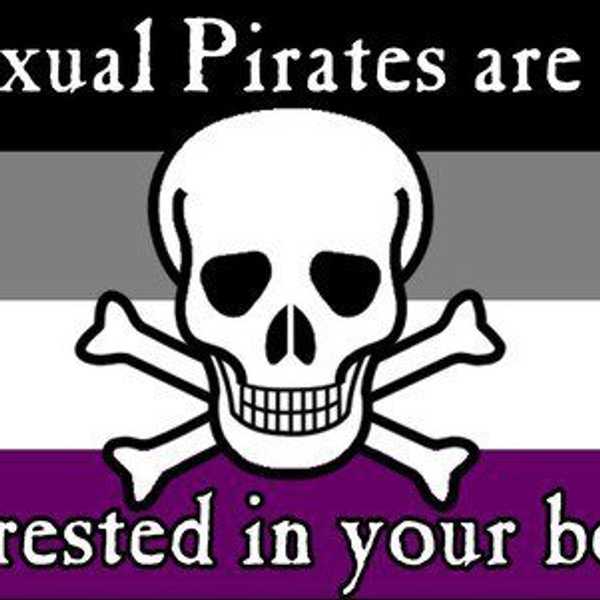
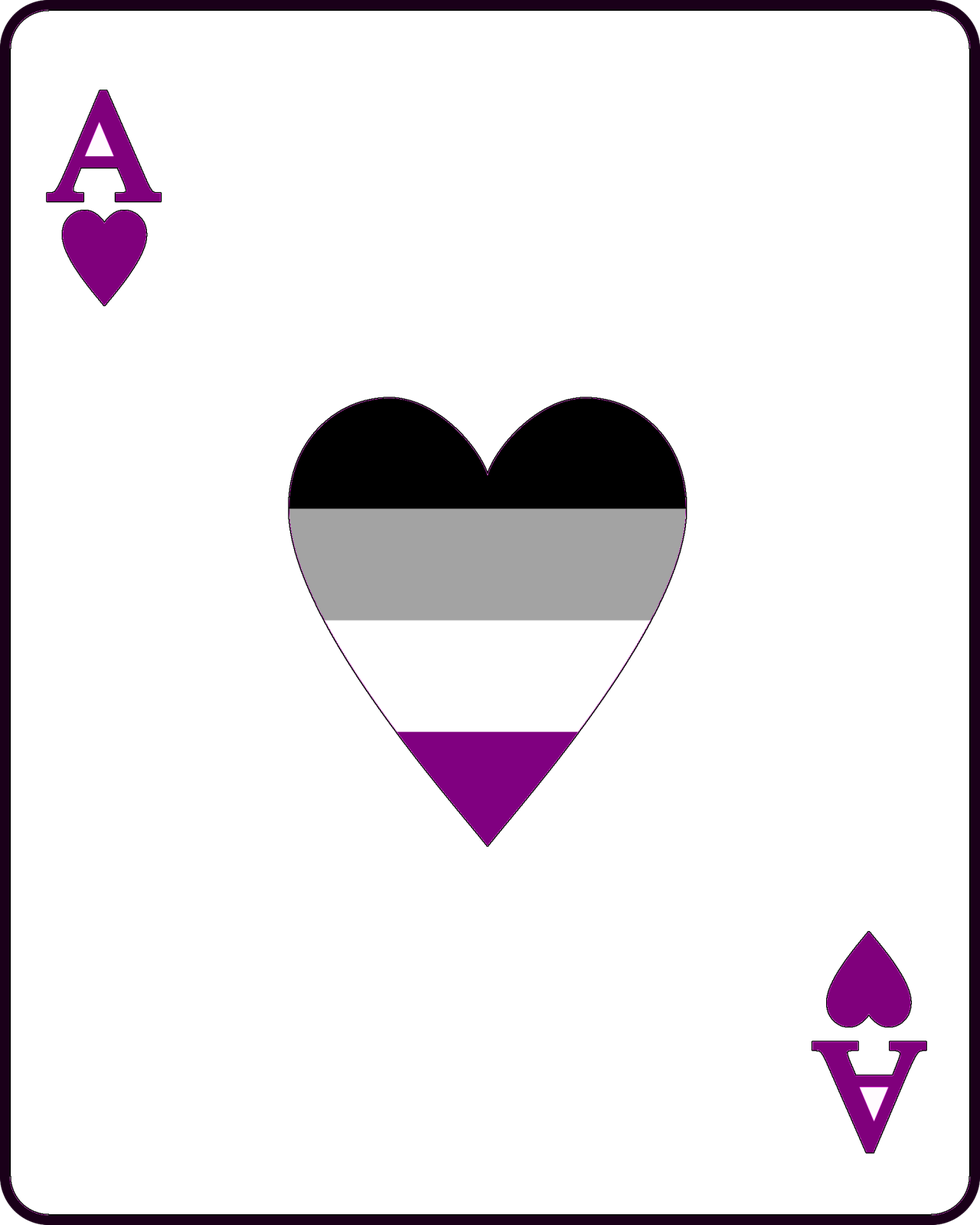
Asexuality hasn't been discussed much outside of feminist and LGBT circles. In Alfred Kinsey's sexuality scale, asexuality was identified as "X," no desire for any gender. Now, it's not known how many people are asexual. Not many people know about it. It wasn't until recently that asexuals marched under the own banner during pride parades, identifying themselves with the color purple and black rings on their fingers.
Among those who do know about it, debate around asexuality is intense and seemingly never ending. Should asexuality be included in feminism? Should the "A" in LGBTQIA be for asexual or ally? Should the lack of sexual attraction count as a sexuality? Do asexuals face discrimination and prejudice on the same level as LGBT people? Can asexuality be cured?
You could get different answers from everyone you ask. Asexuality is still in its infancy in terms of public awareness and place in society. Throughout history, people have reported having no sexual attraction, but they remained non-united and invisible. Now, with internet communities like AVEN becoming more and more mainstream, asexuality has come under a new light. People have questions. People are skeptical.
Change is uncertain. It will be years before the questions about asexuality have solid answers. As an asexual, I don't really know my place in society. Am I LGBT? Am I "technically straight"? Or do I belong to a group outside of those two? It's impossible to know for sure.
I do know one thing, though. I'm not broken, cold, robotic, unloving, alien or immature. I'm asexual. And it's going to be a while before we know exactly what that means.