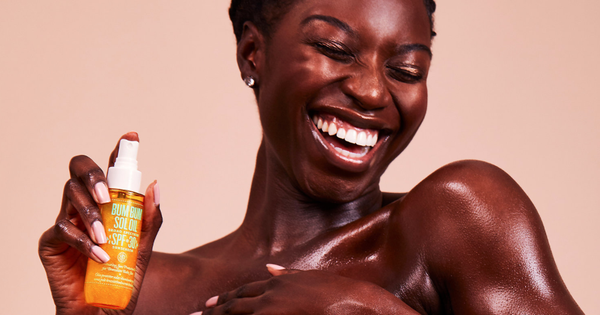
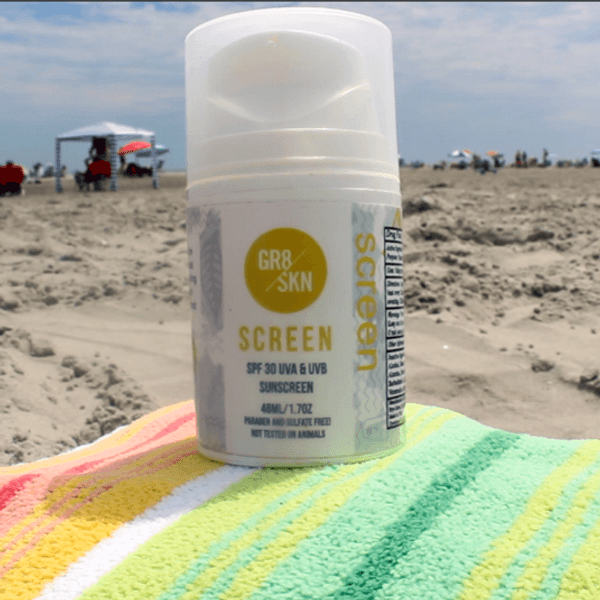
It’s summer, which for many means that it’s time to head to the beach. Like any responsible person, you know it’s important to protect your skin from the sun-- however, the sunscreen that is protecting you very well may be hurting the ocean’s ecosystem.
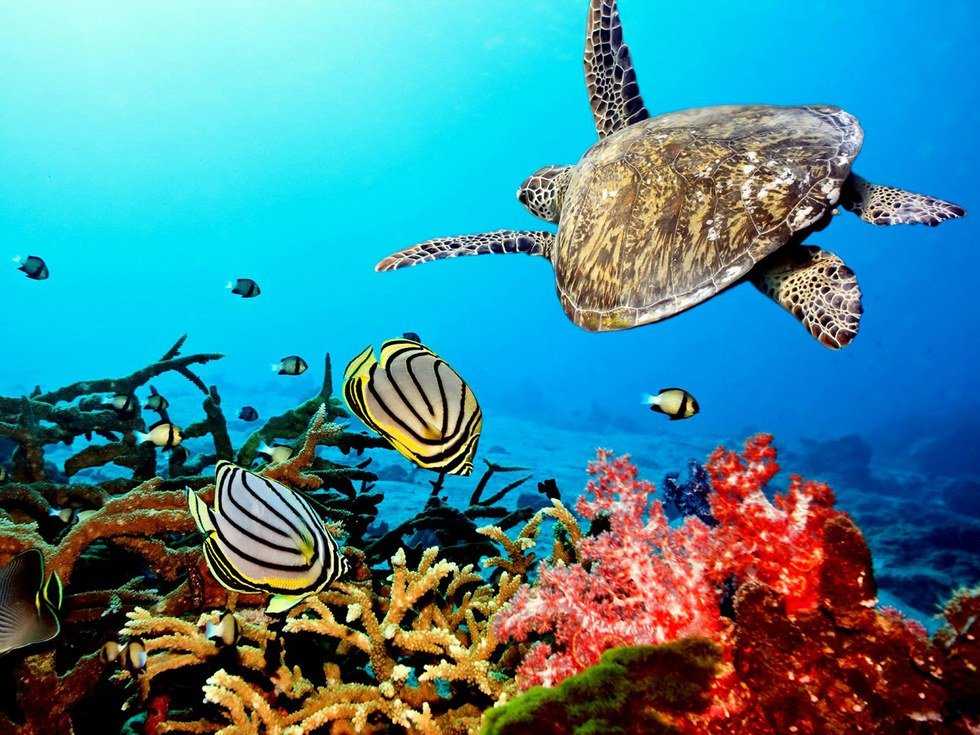
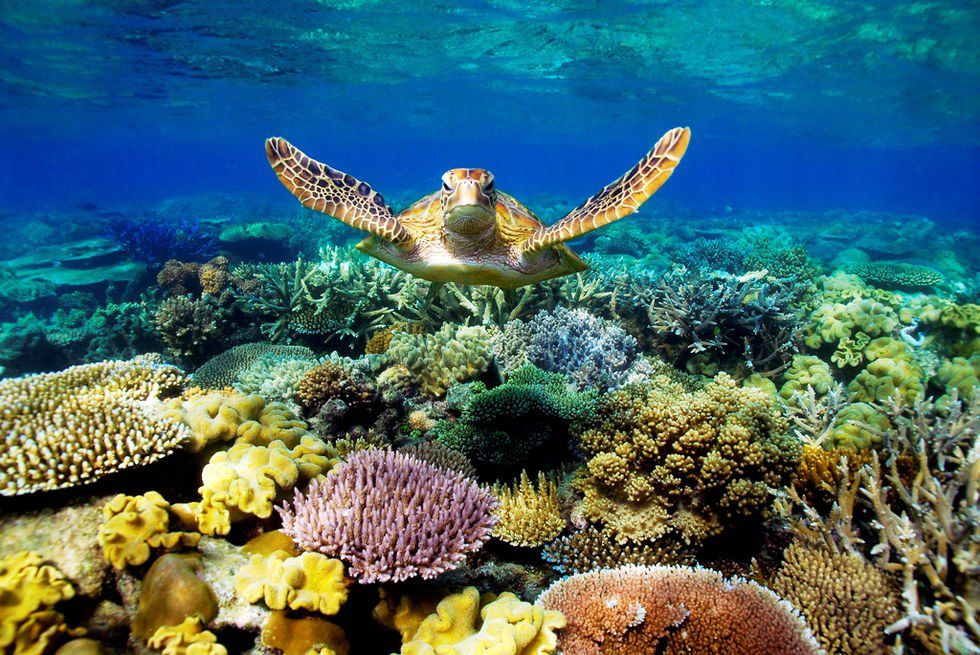
I’m talking about coral reefs. Recently it has come to light that ingredients in many major sunscreens (specifically oxybenzone) is incredibly toxic to the growth of coral. Not only does it cause coral bleaching (which effectively kills the coral), it also damages the DNA of adult and juvenile coral, which means it won’t grow correctly.
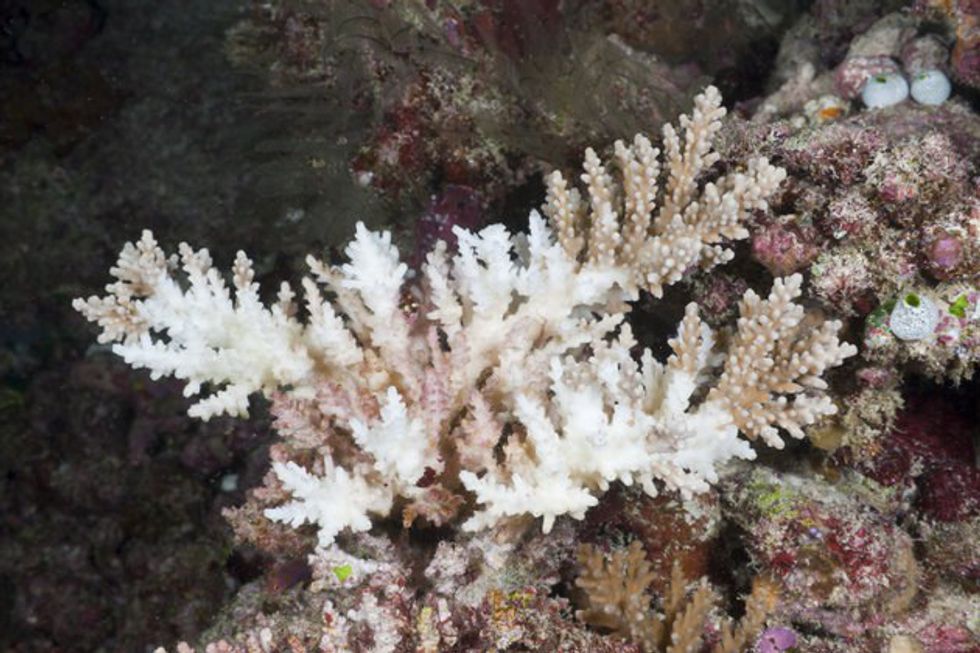
Over 90 percent of the Great Barrier Reef is currently affected by bleaching. Other coral reefs around the globe are experiencing the same decay. And what’s a major factor in causing this?
Humans swimming in the water with harmful sunscreen. According to a study done, “...seawater surrounding coral exposed to sunscreen contained up to 15 times more viruses [that caused bleaching] than unexposed samples....”
It’s not just direct contact with the ocean that is causing this problem. People that wear sunscreen in their day to day lives are also contributing. We often forget that the water from showers and pools has to go somewhere, and that somewhere is the ocean. If you’re wearing sunscreen that’s unsafe for reefs and take a shower, the sunscreen will still end up in the ocean.
So, how can one help? Obviously, not wearing sunscreen is not the answer, because protecting our skin from the sun is incredibly important.
Switch to reef safe sunscreen.
This is a small switch that you can make to help protect and maintain the coral reefs of the world. How can you tell if a sunscreen is reef safe?
It’s important to note that most “reef safe” labels are unregulated and therefore meaningless-- therefore, you need to check the ingredients yourself. You want to stay away from anything with oxybenzone, butylparaben, octinoxate and 4-methylbenzylidine camphor.
Here is a list compiled below from the official Professional Association of Diving Instructors website, all which are incredibly highly rated by the Environmental Working Group (who specialize in analysis and testing of toxicity in different types of sunscreen).
- Aubrey Organics Natural Sun Sunscreen, Sensitive Skin/Children, SPF 30+
- Badger Sunscreen Cream, Unscented, SPF 30
- UV Natural Sport Lip Sunscreen, SPF 30+
- Badger Broad Spectrum Sport Facestick, SPF 35
- ECO logical All Natural Sunscreen, SPF 30+
- Elemental Herbs Sport Sunscreen, SPF 30+
- Green Screen D Organic Sunscreen, Original, SPF 35
- BurnOut Ocean Tested Physical Sunscreen, SPF 30
- Raw Elements USA Eco Formula SPF 30
- All Terrain KidSport SPF30
Coral reefs are not only beautiful, but are one of the most important ecosystems on this planet. Doing a small thing like changing sunscreens can help prevent future bleaching and destruction.
If you’re interested in reading more about the crisis surrounding coral reefs and oxybenzone, I have provided some links below.
National Park Service: Protect Yourself, Protect the Reef!
Huffington Post: Sunscreen Could Be Killing The World’s Coral Reefs, Study Says
Washington Post: How We Are All Contributing To The Destruction Of Coral Reefs: Sunscreen
National Geographic: Swimmers’ Sunscreen Kills Of Coral
Haereticus Environmental Laboratory: Study On Coral Reefs