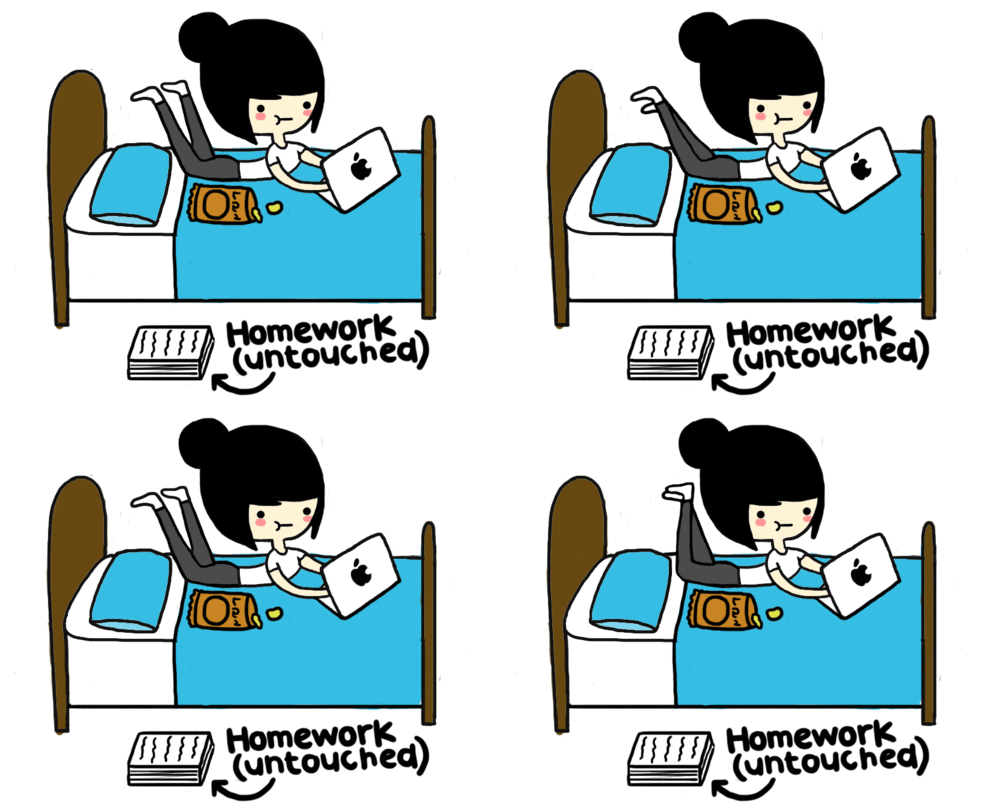
I bet at least half of you reading this, if not more, are doing so instead of doing some other task. It might be a homework assignment, some task for work or chores around the house, but you're all doing the same thing: procrastinating. Some people find procrastination a bad thing and believe it leads to sub-par work (or no work at all), but what if I told you it was a good thing that you're procrastinating?
Procrastination: The Good and The Bad
When you 'actively' procrastinate, say you decide to clean the house instead of doing an essay due next week, you're still doing something, even if that something wasn't at the top of your priority list. This is the kind of procrastination that's OK while 'passive' procrastination should be avoided, (binge-watching Netflix for two days and doing nothing at all, instead of doing things on your to-do list). There are a few good results of actively procrastinating.
Procrastination is like a task manager.
You have a list of things to do, and at the top is that five-page essay due next week, while underneath are lesser tasks like other readings, worksheets and chores. So of course, you're going to do anything you can on that list that isn't that five-page paper you're dreading. That means all of those little tasks that you usually don't have time to do, well now they're suddenly done and all you have left to do is that last task. Your task manager is nearly empty, and you've actively procrastinated as much as you can so you're forced to do the final thing on your list (most likely with a shorter amount of time to spare). Any tasks that you continuously procrastinate away may just end up never being worth your time in the first place.
Procrastination actually produces creativity.
As you push off tasks that seem daunting, you are actually creating room and time for yourself to think about tackling that task. You may not realize it, but your mind is actively working on preparing new ideas for you to work with later on. In this time, you may also find things that will work to refresh your outlook on your tasks by doing things that make you happy, like painting or hiking outside. This invites ideas that come more slowly, and when given the time are implemented better than the quicker and easier ideas you would have had to use starting a project right after receiving it.
Procrastination gives you a necessary break.
If you're stressed, procrastinating on those dishes and gardening outside may give you that bit of away time you need to destress yourself. Your body and mind do need a break every once and a while, so even passive procrastination is sometimes necessary. Just don't fall into the habit of procrastinating too much, as there's a fine line between 'healthy' and destructive procrastination.