Having experienced fine wining and dining both as an participant and as a member of a waitstaff, I have realized that everybody and nobody quite understands wine -- myself included. Wine knowledge is one of those skills that are both largely objective, yet still precise enough to deem some as sommeliers and others as bull****ers. Even so, there seems to be a specific number of step to follow to convince those around you that regardless of your wine knowledge, you are cultured enough to be a true appreciator of wine. I have conducted some undercover research (a wine-spectator-spectator, you might call me) and have compiled a step-by-step guide on how to pretend to be a wine expert. Why? Because I am pretty sure that this phenomena of pretending extends to, well, just about everyone.
Step 1: The invitation.
Invite whoever it is that you want to impress to a restaurant with an obnoxiously extensive -- and expensive -- wine list. The more, the merrier. Your audience will be blown away by your wine acumen.
Step 2: The selection.
Order the second (not the first, as this may give you away) most expensive bottle of wine on the menu. Be sure that it is a varietal that few at your table are likely to know about. Comment on the wine’s region, possibly telling a story about the last time you drank this wine on a rooftop lounge or in a mahogany hotel bar reserved solely for folks like you. Note that the price is a “steal” given the quality of the wine.
Step 3: The “Just making sure."
When your server arrives with your selected emblem of social status, observe it closely, perhaps even dawning your spectacles. The amount of time that it takes you to observe the wine’s label should alarm both the server and the rest of your party.
Step 4: The cork sniff
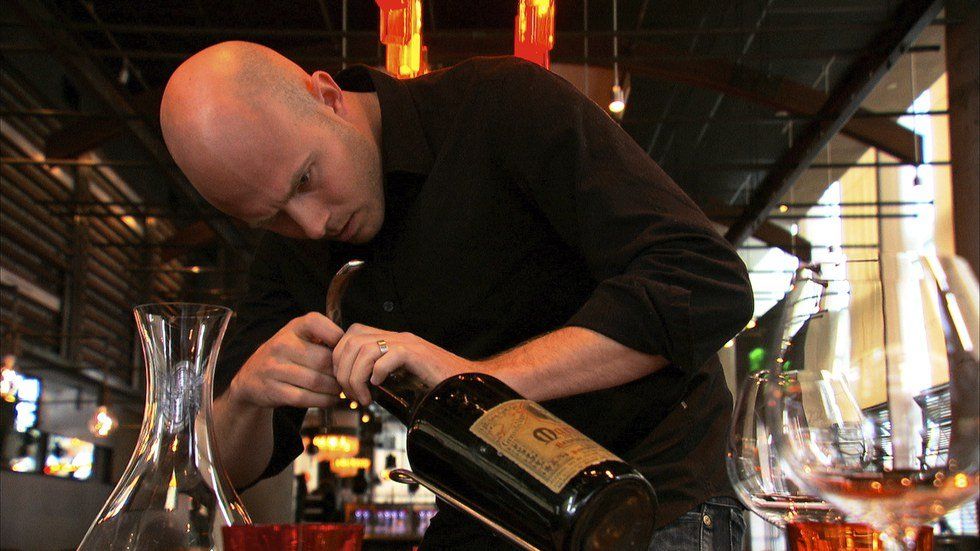
Alas, the label is to your liking for some reason: is it the lack of misprints or smudging, or the many words that you fail to recognize? Pretend to forget about the server as he or she diligently cracks open your bottled fortune. Insist on smelling the cork and keeping it for some mysterious future use, although you will most likely leave it at the table anyway.
Step 5: The tasting (with 3 sub-steps).
The server will now pour you a taste of your selected wine. Since this is the awaited moment, carefully pay attention to sub-steps one through three.
1. Swirl the wine around your glass vigorously so that it can “breathe,” because three seconds of decantation is surely enough to reveal its true character.
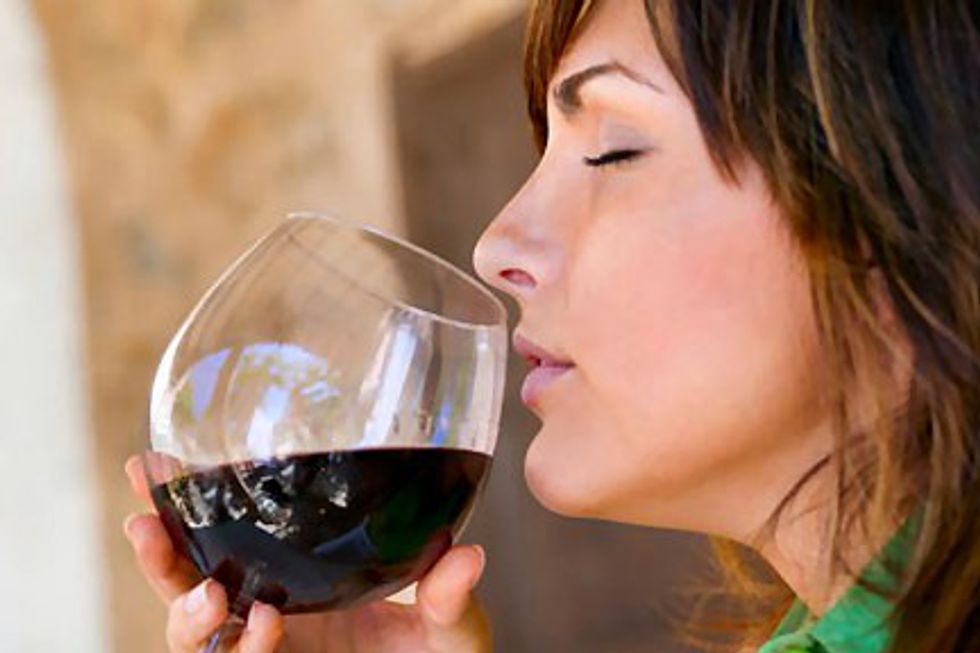
2. Sniff the wine shamelessly. The deeper you bury your nose in the glass, the more experienced you appear.
3. Sip the tasting pour, and gurgle the wine against the roof of your mouth. While this would be bizarre in any other setting, the purchase of an expensive wine allows you to basically do whatever you want.
Step 6: The reaction.
Nonchalance is key here; so much nonchalance that your server and companions are worried that you have either gone into cardiac arrest or the wine has gone bad. A simple nod to the server here will quell your party’s fears. If you are new to “the reaction,” proceed to step 7. If you are a seasoned pretender, send the wine back, claiming that it has “turned.” Your server will not disagree with you as your purchase has funded their daughter’s college tuition.
Step 7: The descriptors.
Enjoy the wine like you would enjoy any Barefoot varietal (you will likely be drinking these until your next fine dining debut, anyway). Mention the phrases “oaky,” “tannic,” “top notes,” and potentially “mushroom” or “black cherry." Like a magic card trick, you will be right every time despite what you say. Such is the power of Those Who Follow Steps 1 to 7.