
Let me just start by saying I am not yet sure who I will be voting for because I’m still doing my research and waiting it out. But I want to inform others and myself about issues that the leading presidential candidates stand for, how they have voted in the past, and previous comments they have made.
Bernie Sanders
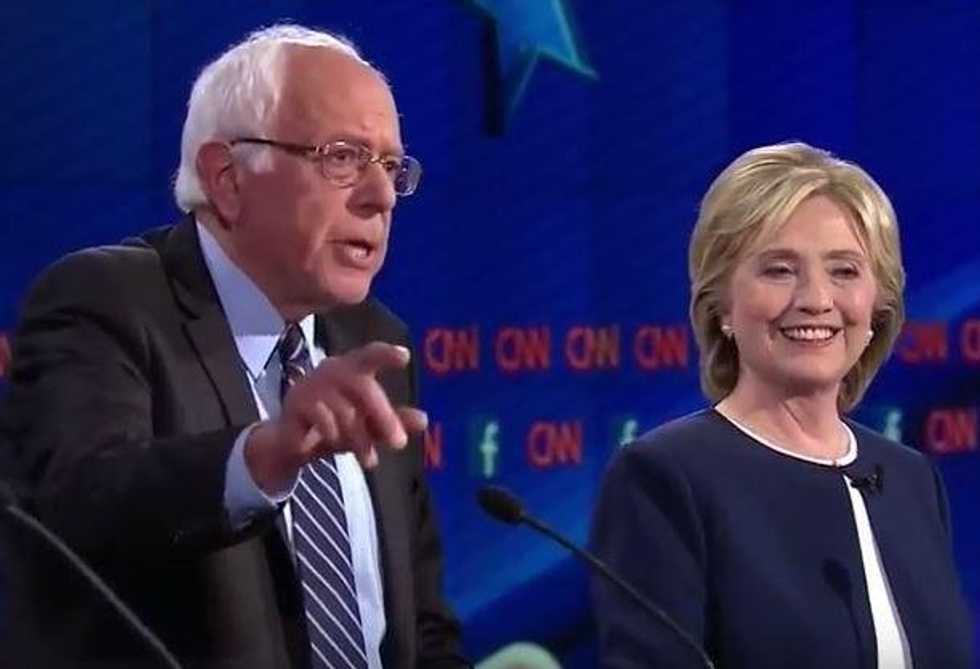
This liberal, Vermont senator, Jewish-American candidate describes himself as a democratic socialist. Sanders is pro-choice and supports funding for family funding and contraceptives (as of 2015). In 2004, he voted no on making it a crime to harm a fetus during another crime and in 2003 he voted no on banning partial-birth abortions, except to save a mother’s life. Additionally, in the year 2000, he voted no on banning partial-birth abortions. Sanders does not seem to show support for the upper class financially as he stated in 2015 that the greed of the billionaire class is destroying our economy. In that same year, he made a comment that we need to break up large banks and add fees for high-risk investments. In 2009, he voted yes on additional $825 billion to be spent on our economic recovery package and a year previous to that he voted yes on a $60B stimulus package for jobs, infrastructure, and energy. Sanders is against discrimination on all levels and this shows through his voting past. In 2013 he voted yes on reauthorizing the Violence Against Women Act and in 2006 he voted no on Constitutionally defining marriage as one-man-one-woman, making him pro-gay marriage. In 1998, he voted no on ending preferential treatment by race in college admissions. In 2015, Sanders stated that he would vote for recreational marijuana in an effort to reduce jailings. Finally, in 2015, he stated that we need to tax Wall Street so that we can make public universities free for students and that we need to put in $70 billion to make public colleges and universities tuition free.
Hilary Clinton
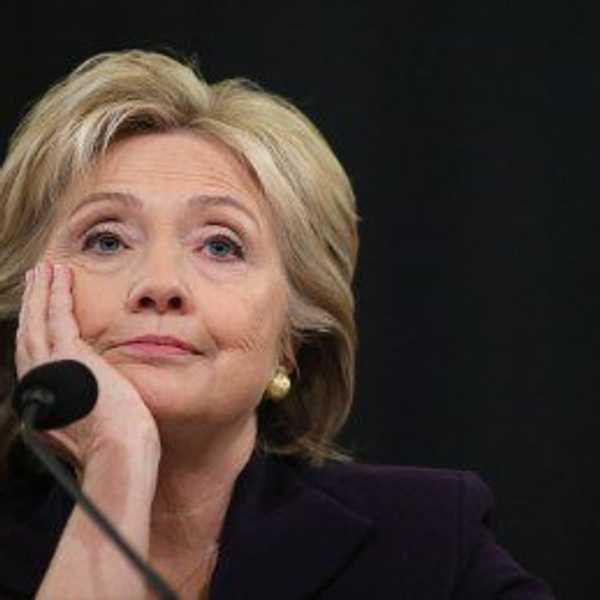
Former United States Secretary of State, New York Senator, and First Lady, Clinton is the leading democratic candidate. In 2015, Clinton stated that it's big government to intervene on woman's right to choose (referring to abortion) and in 2007 she said that she personally would never abort, but deeply values choice. In 1999, she said that we need to keep abortion safe, legal, and rare. Clinton’s pro-choice beliefs led her in 2008 to vote no on prohibiting minors crossing state lines for abortion. Economically, Clinton stated that in 2008 that the economy is not working for middle-class families, which led her to vote yes on a $60B stimulus package for jobs, infrastructure, and energy. In 2005, she voted no on $40B in reduced federal overall spending, therefore supporting the excessive use of spending by the United States government. In 2003, she claimed that she was a feminist and traditionalist and in 1998 she predicted that there would be a female President in the near future (was she referring to herself?). Later, in 2000, her views on women were expressed when she stated that human rights are women’s rights. In 2014, Clinton wanted the voters to know that she re-evaluated and changed her mind on gay marriage and thinks that we have all evolved on gay marriage since the 1990’s. These statements were made because she did not originally support same-sex marriage. In 2004, she defended traditional marriage, but in 2006, she voted no on the constitutional ban of same-sex marriage. In 2014, she said that medical marijuana may be ok, but that states should decide recreational use, and then in 2015 said that we should stop imprisoning marijuana users. In 1996, she said that we, as a nation, should allow student prayer in schools, but no religious instruction and in 2015 she made a statement that we should teach Bible as history and literature only, not as science or religion. Finally, in 2008 she voted yes on overriding veto on the expansion of Medicare and in 2001, as a senator, she stated that health care initiatives were her top priority.
I hope that you are now more aware of the political views and voting history of the leading democratic candidates. Whether or not you are voting democrat or republican, you need to be aware of the opinions of the main candidates from both parties. In my next article, I will discuss the views of the primary republican candidates.
*information gathered from ontheissues.org