
Many futurists have asserted that one day humans will be able to defy death. It doesn't come from a potion or a fountain, but from a computer. Techniques ranging from mind uploading, to brain-computer interfaces populate modern science fiction. Films such as "Transcendence" and "Captain America: The Winter Soldier" depict characters that upload their consciousness to supercomputers. So could this be in our future?

Mind uploading
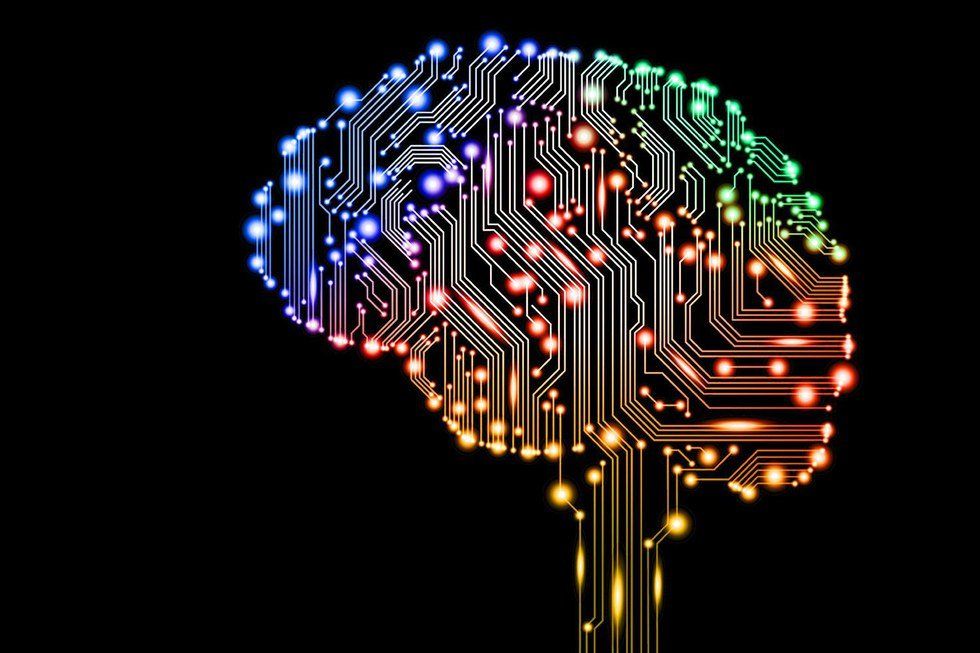
The prospect of turning your consciousness over to a supercomputer sounds a little far fetched. So how would we actually do it assuming no issues would arise? First, we would need to scan a copy of your brain, mapping the trillions of synaptic connections that compose your brain. After uploading that 'shell' to the supercomputer, your memories would need to be uploaded. This would entail modeling the countless electrical impulses that run across your brain's tissue every second.
Unfortunately, this process is riddled with uncertainties and the possibility of ever being able to do this is a serious issue. The following sections will detail a handful of the issues facing the future science of mind-uploading.
Is it actually you?
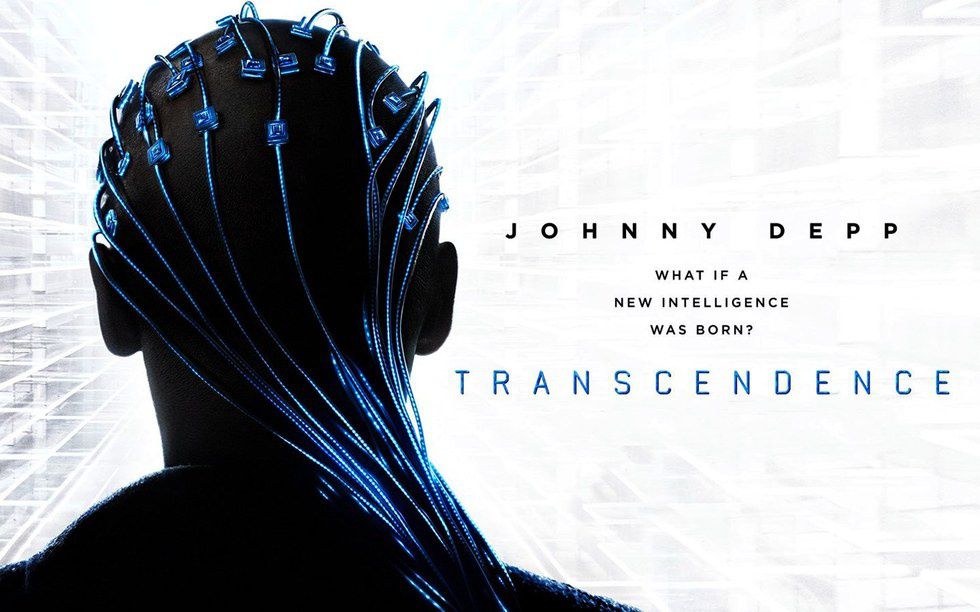
This metaphysical discussion revolves around the idea of what determines our consciousness. If there were such a program that could monitor your brainwaves and turn them into code, would it be you? Or merely a program that mimics you to a very precise degree? "Transcendence" focuses on this issue. What if Johnny Depp's character isn't actually him, and his consciousness died with the passing of his body?
This issue quickly turns to the study of philosophy to determine the preservation of consciousness. For example, one fear of philosophers is that the newly uploaded mind would be a philosophical zombie. Though unlike their counterparts in film and television, these wouldn't hunger for brains. Instead they would simply act out actions according to memories. A frequent example is that of a zombie being poked with a sharp object, they would recoil in pain without feeling any. Unfortunately, this issue of consciousness cannot be resolved without further research in computational neuroscience.
Processing power
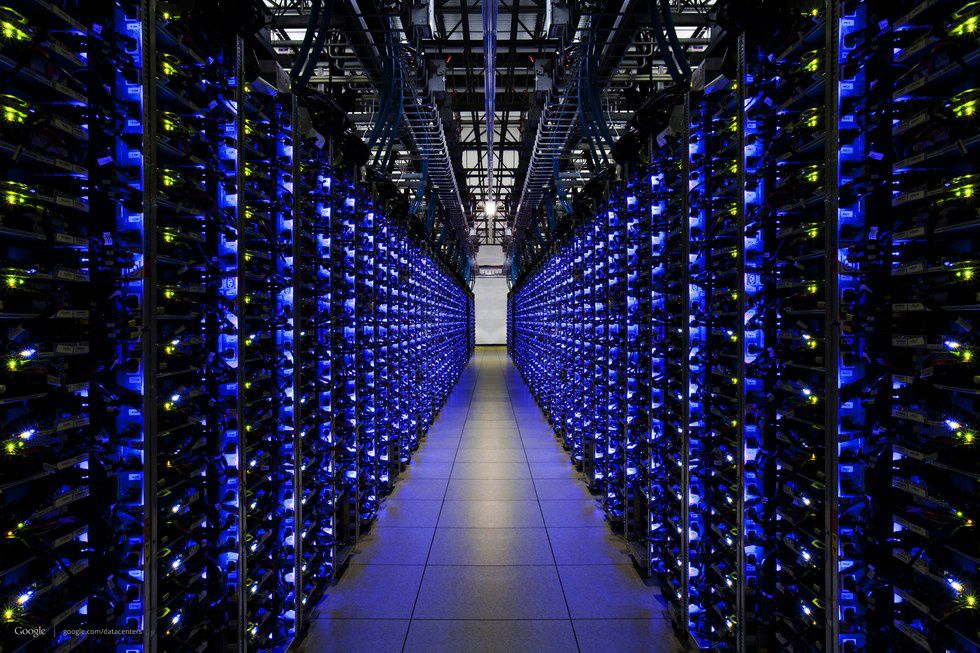
Computers are able to perform complex computations in a fraction of the time it takes humans with greater accuracy. Even if we could upload our consciousness to a machine with adequate processing power, the outside world would seem to be moving in slow motion. The question then arises, should the rest of humanity be required to enter this electronic world? This would theoretically put everyone in the same time going at the same speed.
Thankfully, questions like this won't face society for quite some time. In 2007, research at the University of Nevada was able to simulate half of a mouse's brain activity using an IBM Blue Gene supercomputer. The simulation ran 10 times slower than the actual brain, only simulating around 1 second's worth of brain activity. When comparing the brain of a mouse with that of a human, we begin to see the current implausibility of mapping a human brain. A mouse's brain contains around 70 million neurons, the human brain has around 80 billion, or around 1,100 times the size of the mouse brain.

Strong artificial intelligence
When researchers work towards creating artificially intelligent machines, more than likely their goal is strong AI. What this means is that the computers' intelligence is equal to that of a human's. Brain uploading could be the only path to true artificial intelligence. Interestingly enough, the final goal of mind uploading has become an issue itself. Some researchers are concerned that the new form of such a mind will be able to rapidly expand its computational power. The program will be capable of continually performing operations that improve its understanding of the world, as well as the efficiency of its operation. Couple this with the aforementioned superiority over human computation, and any potentially malicious action by this technology will be executed too quickly for humans to respond. Although this sounds a lot like the fictional Skynet, the future of this potential technology as well as its implications remain unknown.






 man running in forestPhoto by