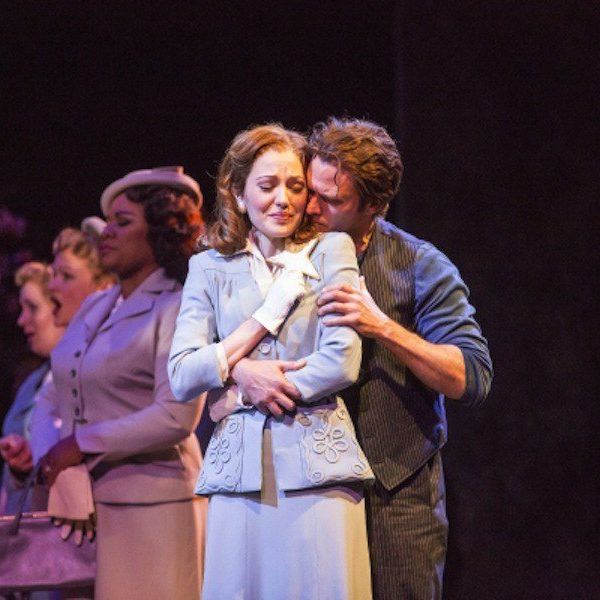
Before I begin, I'd like to write down one of my favorite movie quotes. The quote is said by Dr. Ryan Stone, played by Sandra Bullock, in the film "Gravity." In a scene where she talks to a man on Earth through a static radio as she's floating in space, she tells him about her beliefs of death and the very high possibility that she won't make it back home. And as she does this, Stone asks:
"Will you say a prayer for me? Or is it too late... ah, I mean I'd say one for myself but I've never prayed in my life. Nobody ever taught me how..."
Now this isn't an article to give you reason to pray, it's merely going to show and tell you the mental, psychological and even physical benefits of praying.
The first factor in a prayer, mental benefits, tend to turn people off by the fact that prayer is easily associated with religion and relating to a god or the image of a god. What a lot of people don't understand or take time to identify is that praying, by definition, is to "wish or hope strongly for a particular outcome or situation."
In some form or another, praying is giving the prayer the ability to dictate and control a person's own fate or luck, if you will, for a certain part of their life. This is the reason most people who pray tend to perceive their hopes or wishes as being sent to a higher form of power or being. They're requesting change in their life, like a child requesting something from a parent. While there is nothing wrong with that, people with this mentality need to be careful about how the outcomes come about. They'll either be grateful and realize this is what they need to do to be successful, or they could not get the answer that they wanted and turn that into an "I-did-this-in-vain" scenario, and shut it down. The mental benefits of praying turn into an "I-think-therefore-I-am" situation if done correctly. You don't need to believe in something, you could even be against any and every religion. But it's important to understand that prayer can be a form of catharsis and the opportunity to aim your sights directly at your goals or something you want.
Which leads us to the second factor, psychological benefits. Over the course of my life, I've studied various prayers that people give in different religions: specifically in the Catholic Church, the Church of Jesus Christ of Latter-Day Saints and people of no distinct religion. They varied, of course, in diction and wording from "O Father, who art in Heaven" to "Our Dear Heavenly Father" to " Hey God, thanks." But what they all had in common is this distinct form and mindset that goes into a prayer. Having practiced meditation more than prayer, though experiencing both near equally, I understand that meditation involves allowing yourself to focus on your breathing and letting your mind wander nowhere else, then pulling it back to your breathing when it does. While praying doesn't focus on breathing per say, there tends to be a pattern, as I've observed over my lifetime, that before someone says a genuine prayer, they take a soft, long inhale and then wait for a few moments before beginning the prayer. For people in a religion or who want to focus on what's being said, people pray to put themselves in a calm, mental state focusing on solely one thing, so they can magnify the meaning and give themselves the mental state that they want. Prayer can be, and usually is, the most common and modern form of meditation that we see today in our society and in cultures around the world.
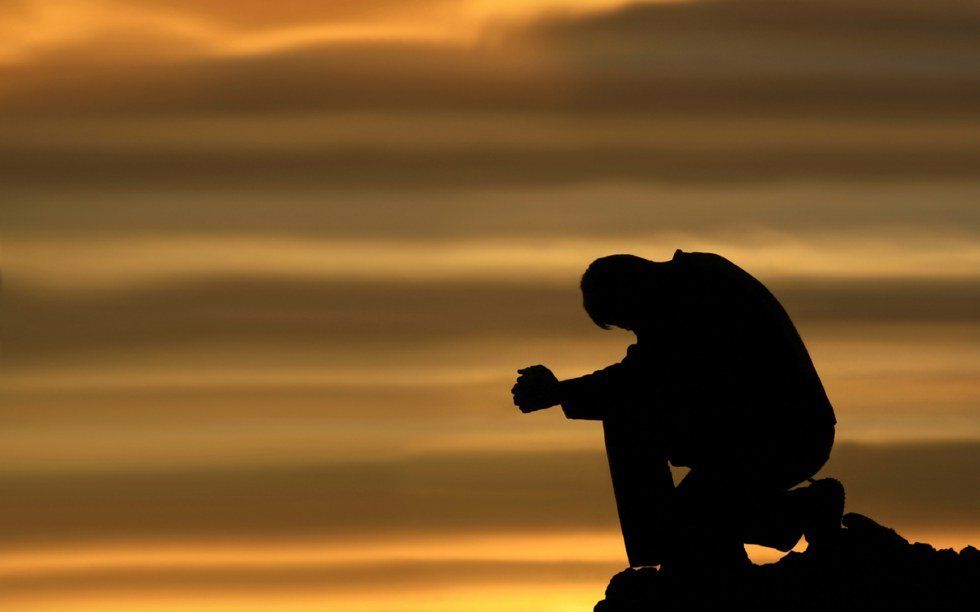
Now the third, more varied factor, is dependent on the former benefits of prayer. When one prays they tend to physically be kneeling or sitting down with arms crossed or hands together and their head bowed with eyes closed. Most religions do this out of respect for a diety, but there's an interesting catch to this method. In meditation, it's highly recommended, if not required, to be sitting in the same position in the same place at the same time of day. Those who pray, typically do the same. And as time goes by, a few days at the least, your body becomes used to this feeling of, "I'm sitting down and I'm going to focus." For the most part, your body tends to relax and stick in this position, almost like a statue. In our personal levels of hustling and bustling, our bodies need to chill out sometimes and it's important because while sleep easily does that for us, praying in a relaxed state of body sets up and, possibly, foreshadows how you take on the day depending on how deep you went into focus and if you choose to make that feeling apply to your life.
So let's go back to the quote from "Gravity." She asks the man to pray for her because she doesn't know how to, because she doesn't know how to find peace and hope, the biggest reasons why we pray. So we can walk through life with a sense of hope, a focused mind and a healthily rested body.