

It's the 1980s. On the horizon was the “Big Bang" of the internet. At this point, the explorative inhabitants of this new and virtually untapped platform consisted largely of computer hobbyists that were not likely lacking in free time or pocket protectors.
Who would have thought that a small network of privately
created central systems that allowed this relatively small group to share
information and download files would spring into a multi-billion dollar industry
that would reach over 1.5 billion people.
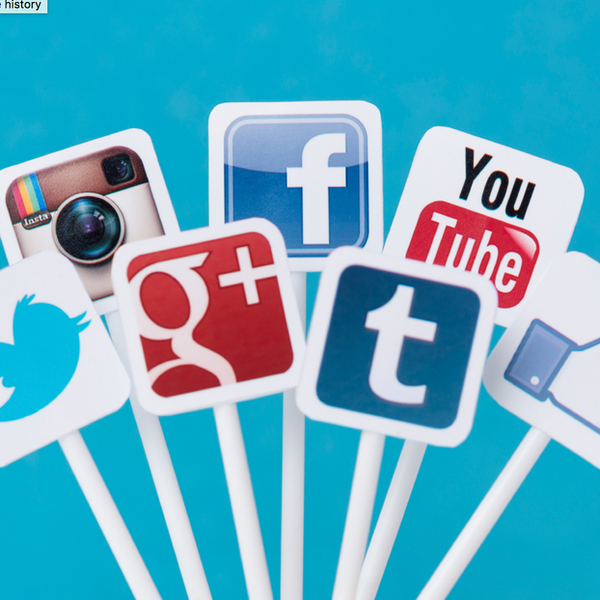
The unfathomable success of sites like MySpace, Facebook and Twitter stems from their diverse demographic of users and the possibilities that these users find within the sites’ features, such as connecting people that haven’t spoken in years, acting as a platform for businesses to advertise and establish an internet presence, or allowing people to share personal experiences with an audience far larger than they would be able to reach outside of the virtual world.
So what do the 15-year-old girl posting an over-filtered selfie, the weird aunt consistently sharing pictures of dogs and cats doing clumsy things, and the kid from your high school that never quite made it out of your town and is now sharing his mixtape on Soundcloud have in common?
Likes. Comments. Shares.
These things are the driving force behind most social media interactions, the glue that sticks users together, and the convenient way to give a buddy a “thumbs up” on a post that you deem worthy of it. But do people realize what likes actually do?
I would venture to say that if “liking,” “sharing,” “commenting,” or at least some other form of positive acknowledgement was not inherent to all of these sites, people would find no point in posting.
The new importance that people place on these features has even affected language, making “friend” a verb and giving “follow” and “stalk” new meanings. People crave approval, and the obsession and need for social gratification in the form of “likes” has changed our society, for better or worse, in several ways.
For Better
What do Joseph Kony and ALS have in common? Awareness of both were exponentially increased through trending posts on social media.
Despite what people may say about the fact that dumping ice water on your head doesn’t directly help anyone with ALS, and changing your profile picture to a KONY 2012 campaign logo doesn’t help to catch a ruthless warlord several thousand miles away.
The ALS ice bucket challenged raised over $115 million for a cause that desperately needed cultural exposure, and awareness of terrible atrocities that would have otherwise gone overlooked is in no way a negative result of the widespread Facebook trend.
For Worse
For decades, older generations have been scoffing at the trends of younger generations. From Rock n' Roll being deemed “the music of the devil," to the Lennon and McCartney duo that produced some of this aforementioned devil’s music being claimed as an older generation’s musical mascots, and proof, to them, that the music of younger people is utter crap compared to theirs.
However, one thing that older generations unabashedly pontificate about is the younger generation’s obsession and reliance on social media, and I find myself wholeheartedly agreeing with them.
The instant social gratification and approval that users get upon posting on a social media site feels good. It feels great. When you hear your phone buzz and see a little red light pop up, you know that on the other end was another person who saw what you wrote or shared and thought, “Yeah, that’s pretty funny. I think I’ll tap like."
Whether we’re conscious of it or not, this has somewhat conditioned the younger generation to crave this feeling and therefore feel the need to post and view other posts on social media websites almost constantly.
The effect that this has had on social interaction and the role of technology within our society are completely different issues that are more deserving than a brief mention in this article, but they can be explored another time.
The point is, social media and the driving force within its structure, the “like," have potential to cause change. This change can be greatly beneficial, create a generation of iPhone toting zombies, act as an avenue for terrible interaction such as cyberbullying, or just be a fun way to interact with friends.
In any case, be conscious of what you’re doing on social media, and what social media is doing to you.
Like responsibly.