Death…jail…starve…no lights...clothes from goodwill...repeat…death…jail…
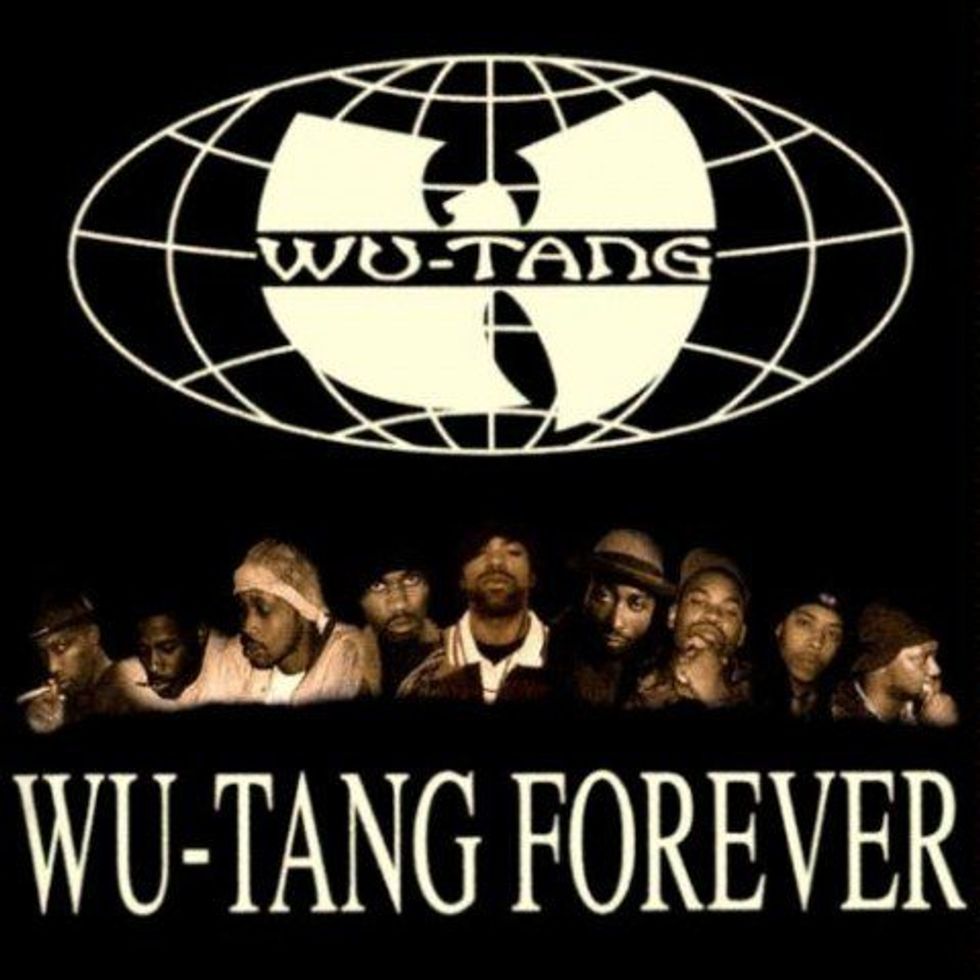
What are the options for those growing up in poverty in the inner city? Imagine being a young black teenager having to deal with these choices and these options. Either starve, have no clothes and no lights on, if you even have a place to stay. Or sell some drugs to get some money, but then there are the consequences which include incarceration or death. Could you make it? These are tough choices and tough consequences either way. Would you survive the stress, fear, and depression? Those sleepless long hungry nights - could you make it and would you make the right choices while under that much pressure at the age 14, 15, or 16? Wu-tang presents this same scenario in their hip hop classic song, "C.R.E.A.M." They paint a perfect picture and an honest story about life as a young poor teenager growing up in New York in the 80s and 90s.
You cannot talk about classic hip hop with life lessons, without talking about Wu-Tang! Many of the songs from WU-Tang talk about the realities of what it meant to really grow up in the hood, fighting to stay alive and making it every day and in every way. Growing up in Brooklyn, WU-Tang spoke my language. They understood sleeping under the window in the summer to avoid stray bullets. "Cream" was one of those songs that I played on repeat. I played "Cream" so much I broke a few tapes and walk mans.
In one song, Wu-Tang deals with growing up in the hood and having to deal with issues of poverty, hunger, depression, stress, and young children left with very little options that need money to survive. They deal with selling drugs and the penalties that come along with it. They even talk about drug use and depression, different ways that their young minds try to ease the stress they are going through…these circumstances would take a toll on a person no matter their age, but this song speaks on the ills of growing up in the hood as a young teenager.
The hook alone said a lot: C.R.E.A.M... Cash rules everything around me. This line is self explanatory. In a capitalist society, money rules everything and those without it have nothing. Pope Francis once said, “Behind all this pain, death and destruction there is the stench of what Basil Caesarea called ‘the dung of the devil. An unfettered pursuit of money rules. The service of the common good is left behind. Once capital becomes an idol and guides people’s decisions, once greed for money presides over the entire socioeconomic system, it ruins society, it condemns and enslaves men and women, it destroys human fraternity, it sets people against one another and, as we clearly see, it even puts at risk our common home”.
Rapper Inspectah Deck from Wu Tang took this song home for me when he said, “Life as a shorty shouldn’t be so rough. But as the world turns I learned life is hell. Living in the world no different from a cell…We got stickup kids, corrupt cops, and crack rocks and stray shots, all on the block that stays hot." Have you ever walked into a project building in a “hood” or “ghetto” in Brooklyn or Queens? There are not many exits and entrances, bars on the windows, elevators that sometimes work and sometimes do not, dim lit hallways, the odor of urine smacks you in the face. This is the reality Deck was rapping about. “Living in a world, no different from a cell”. Projects look similar and are built similar to prison yards. There are police sub stations right there in the projects so they get harassed from the police daily. Imagine walking outside and daily you’re confronted with living in a place that is similar to prison, you walk outside you might get robbed, shot, or harassed by a crooked cop. All on top of the fact that you did not eat for two days and your left feeling hopeless, feeling like nothing, feeling the cold of the world on your shoulder at the age of 15.
Both Pope Francis and Wu-tang speak about the same thing, just different sides of poverty and capitalism. Pope Francis warns the world of the ills and what greed and the love of money can produce. Wu-Tang speaks from personal experience of the side effects of a world where capitalism rules and leaves behind people who are suffering, hurting and just trying to survive while others thrive. In the end, “working hard may help you maintain to try to overcome the heartache and pain”.